• Family of atmospheric rivers to bring heavy rain, flood, and snow to the U.S. West Coast

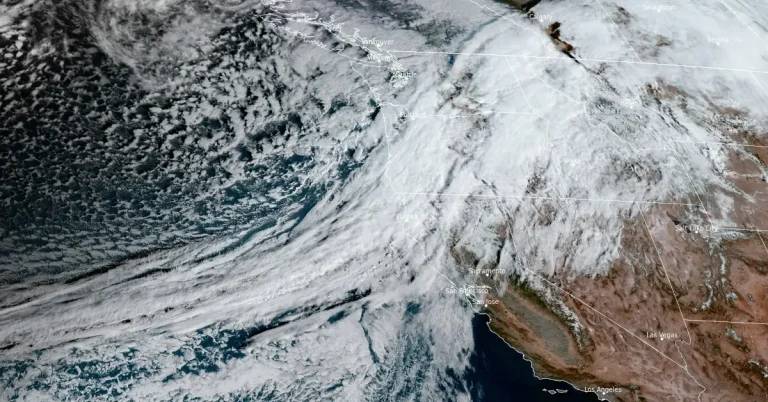
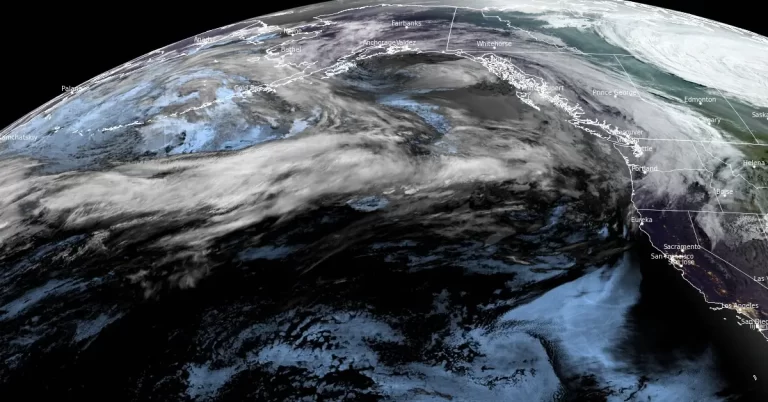
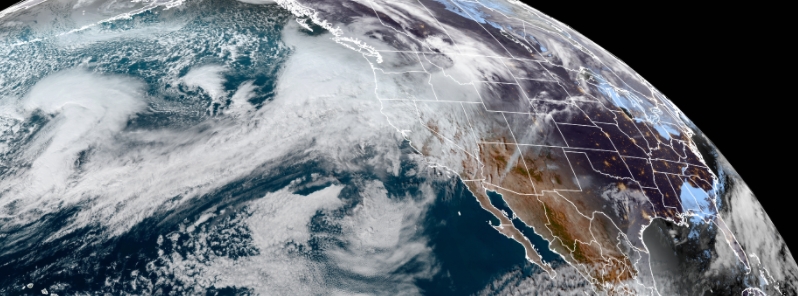
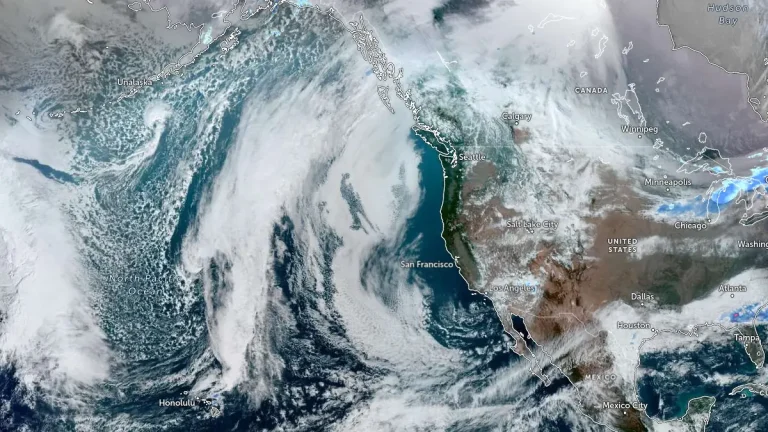
    A series of atmospheric rivers (ARs) is forecast to bring heavy precipitation, flooding risks, and winter storm impacts to the U.S. West Coast this week, with the first AR making landfall on Tuesday, December 17, 2024.  The fourth and fifth ARs are forecast to make landfall on December 21 and 22. Up to 500 mm (20 inches) of rain expected in some areas and significant streamflow rises in western Washington and Oregon.

  • Atmospheric river may stall, causing long-duration moderate to heavy rain over parts of Oregon

    The National Weather Service (NWS) in Medford, Oregon, is warning residents that the incoming atmospheric river could stall across the region, leading to a prolonged period of moderate to heavy rainfall. The highest amounts are expected in Curry County, with a potential threat that the Coquille River at Coquille could reach a minor flood stage.

  • Strong atmospheric river drops record rainfall in the Pacific Northwest, U.S.

    A powerful atmospheric river has brought record-breaking rainfall to Washington and Oregon, causing widespread flooding and two fatalities as of December 5. The National Weather Service forecasts the storms to continue until December 7. Notable impacts include record river levels, such as the Stillaguamish River reaching a historic 6.50 m (21.34 feet), and extensive property damage across both states.

  • Oregon facing one of its hottest five-day stretches on record, U.S.

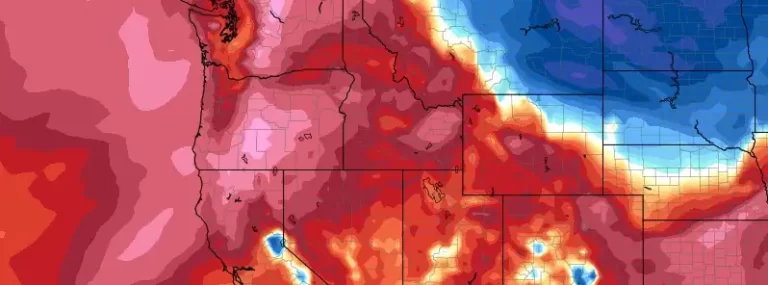
    There is high confidence in a dangerous heat wave in the Pacific Northwest, with locations in the interior valleys and lower elevations of western Oregon facing one of their hottest five-day stretches on record (by average temperature), with above 38 °C (100 °F) highs likely.

  • Crater Lake National Park’s 7th biggest February snowfall since 1931, Oregon

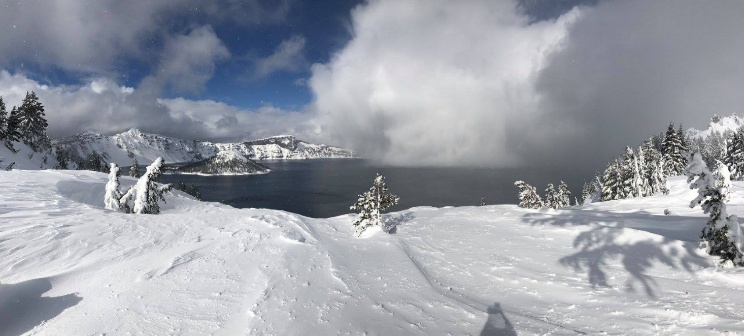
    Crater Lake National Park in southern Oregon experienced its 2nd snowiest February since 1949 and 7th snowiest since measurements began in 1931. The park received 391.1 cm (154 inches) in the month of February. Other than 1999, all of the other top 10 years occurred…