• Flooding concerns grow in Montana as severe storms threaten parts of the Plains

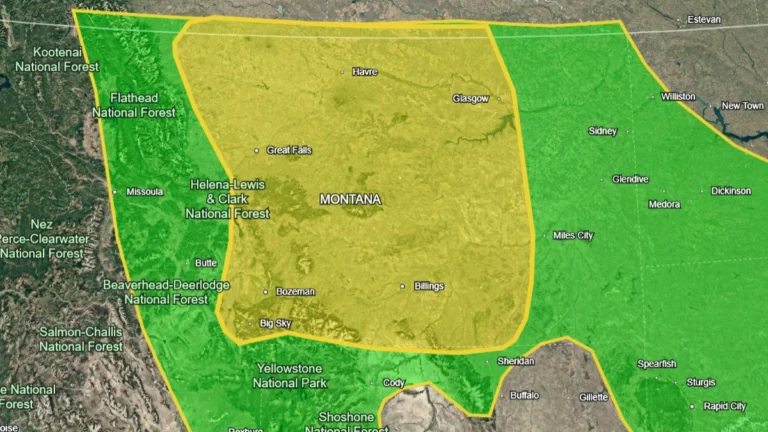
    A storm system moving from the Great Basin into the Northern Rockies is expected to bring widespread rain, flooding concerns, and severe thunderstorms across multiple U.S. regions through June 1, 2026. The highest rainfall threat is forecast across portions of Montana on May 30, 2026, while severe storms capable of producing damaging winds and large hail are expected across parts of Nebraska and South Dakota.

  • Heavy ice, sleet, and snow forecast across Upper Midwest and Great Lakes, multiple warnings and advisories issued

    A late-season winter storm is forecast to impact the Upper Midwest and Great Lakes region from late April 1 through April 3, 2026, bringing widespread freezing rain, sleet, and snow across multiple states. Ice Storm Warnings, Winter Storm Warnings, Winter Weather Advisories, and Winter Storm Watches are in effect, with ice accumulations up to 10 mm (0.4 inches) and snowfall exceeding 45 cm (18 inches) in some areas, creating hazardous travel conditions and potential power outages.

  • Winter Storm Warnings remain in effect from Idaho and Montana to the Upper Midwest

    Winter Storm Warnings remained in effect across parts of Montana, Idaho, Wisconsin, Michigan, Minnesota, and Wyoming on Friday, March 13, 2026, as a broad winter storm brought heavy snow, blowing snow, and hazardous travel conditions from the northern Rockies into the Upper Midwest. Forecast totals ranged from several cm in some lower elevations to 150 cm (5 feet) in parts of Idaho’s higher terrain, while parts of Montana’s mountain ranges were forecast to receive up to 120 cm (4 feet).

  • Winter Storm Warnings issued from the Rockies to the Upper Midwest and Northeast

    Winter Storm Warnings have been issued from the Rocky Mountains to the Upper Midwest and parts of the Northeast, with heavy snow, strong winds, and mixed precipitation forecast through March 14, 2026. Warnings will remain in effect from March 12 to 14 across much of Montana, Wisconsin, Michigan, Minnesota, and Maine, with more than 90 cm (3 feet) of snow forecast in some areas.

  • Extreme cold watches expand as Arctic outbreak spreads across central United States

    A large and prolonged outbreak of Arctic air is spreading across the United States, prompting extreme cold watches across much of the northern and central United States from Thursday, January 22, 2026, through Friday, January 24. This Arctic outbreak will bring one of the most dangerous cold spells in recent years, with the greatest threat lasting from Thursday night through early Saturday morning.

  • Red Flag Warning and High Wind Watches issued across central U.S. as strong northwesterly winds develop

    Strong northwesterly winds and very low humidity will bring critical fire weather conditions across eastern Colorado and western Kansas on Thursday, January 15, 2026, prompting the National Weather Service in Goodland to issue a Red Flag Warning and Fire Weather Watch. At the same time, high wind watches have been issued across the northern and central Great Plains, with gusts up to 120 km/h (75 mph) expected Thursday through Friday, January 16.

  • Winter Storm Warnings in effect for Washington, Oregon, Idaho, and Montana through Thursday

    A major winter storm is affecting the Pacific Northwest and northern Rockies, with winter storm warnings in effect through 16:00 PST on Thursday, January 8, 2026. Heavy snow is forecast to continue across the Cascades of Washington and Oregon, extending into Idaho and western Montana. Snow accumulations are forecast to reach between 30 cm and 120 cm (1 to 4 feet), with gusts up to 80 km/h (50 mph) causing whiteout conditions and difficult travel across mountain passes.

  • Blizzard conditions and destructive winds forecast for the northern Plains and northern Rockies, U.S.

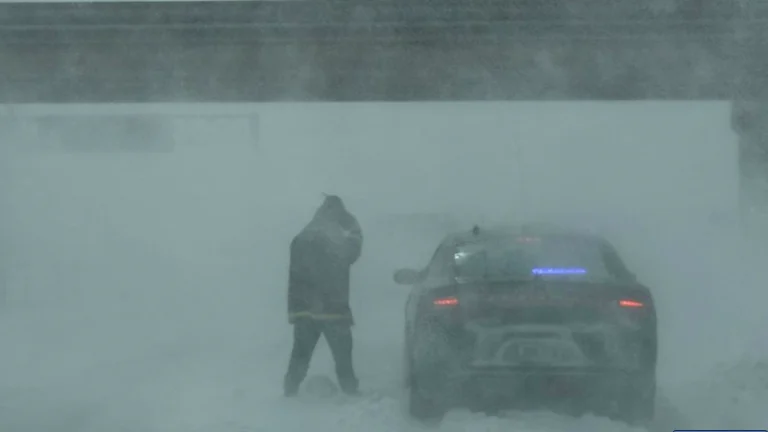
    A fast-moving winter storm is forecast to bring widespread blizzard conditions and destructive winds across parts of Montana, North Dakota, and Minnesota through Wednesday night into Thursday, December 17 into 18, 2025. The system, driven a deep low-pressure trough, is generating gusts up to 110 km/h (70 mph) and localized peaks over 130 km/h (80 mph) in leeward mountain areas, potentially leading to whiteout conditions, road closures, and power outages across the region.