One dead after heavy rainfall floods Puebla metropolitan area, Mexico
One person died and flooding reached depths of up to 70 cm (2.3 feet) across parts of the Puebla metropolitan area on June 28, 2026, following heavy rainfall.


One person died and flooding reached depths of up to 70 cm (2.3 feet) across parts of the Puebla metropolitan area on June 28, 2026, following heavy rainfall.
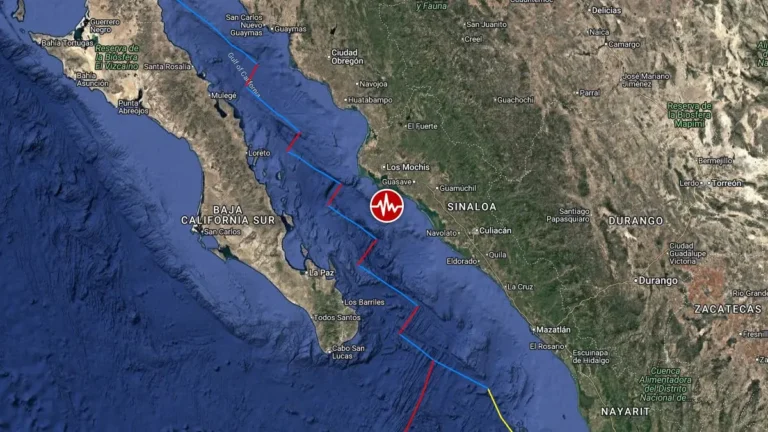
A strong and shallow earthquake registered by the USGS as M6.0 struck the Gulf of California, Mexico at 19:45 UTC on June 30, 2026. The agency is reporting a depth of 10 km (6.2 miles). EMSC is reporting the same magnitude and depth. There is no tsunami threat from this earthquake.
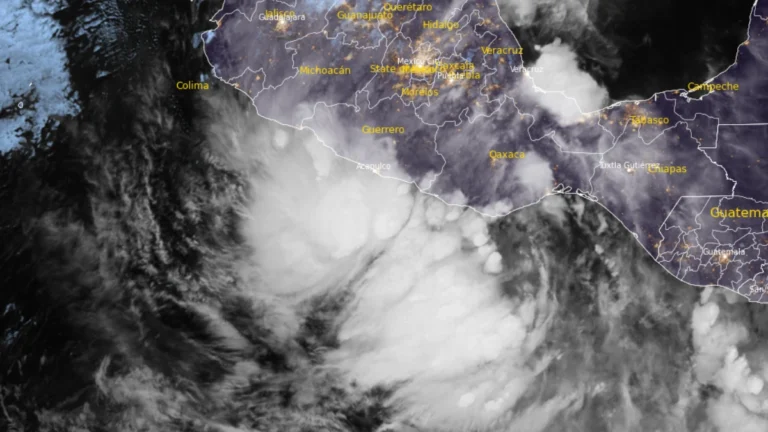
Tropical Storm Boris formed just offshore of Guerrero, Mexico, at 09:00 UTC on June 8, 2026. Tropical storm warnings are in effect along portions of the southern coast, with heavy rainfall capable of producing life-threatening flooding and mudslides being forecast.
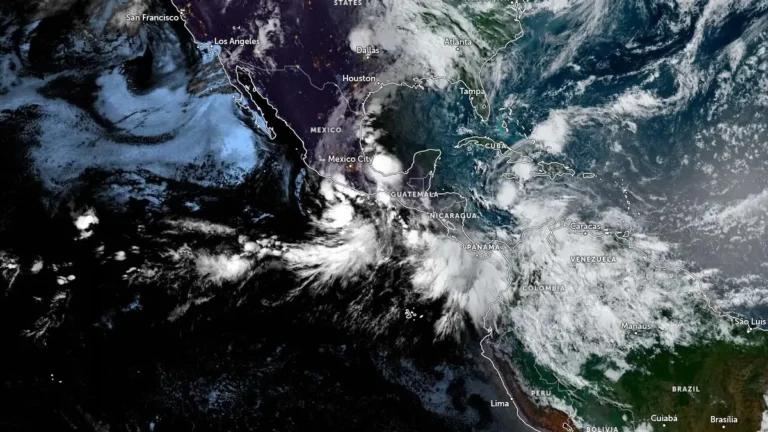
The National Hurricane Center (NHC) is monitoring two eastern Pacific systems, EP91 south of Acapulco, Mexico and EP92 offshore Central America. The center warns life-threatening flash flooding is possible across southern Mexico, Costa Rica, Nicaragua, El Salvador and Guatemala through early this week.

Showers with electrical activity and possible hail are forecast across Mexico City on June 2, 2026, after parts of Cuajimalpa received more than 80 mm (3.15 inches) of rain during the previous 24 hours.

Historic rainfall affected much of Yucatán on May 29, 2026, with Mérida setting a new all-time May rainfall record after 154 mm (6.1 inches) fell in 24 hours. Floodwaters inundated roads, stranded hundreds of vehicles, and caused significant disruptions across the city and surrounding areas.
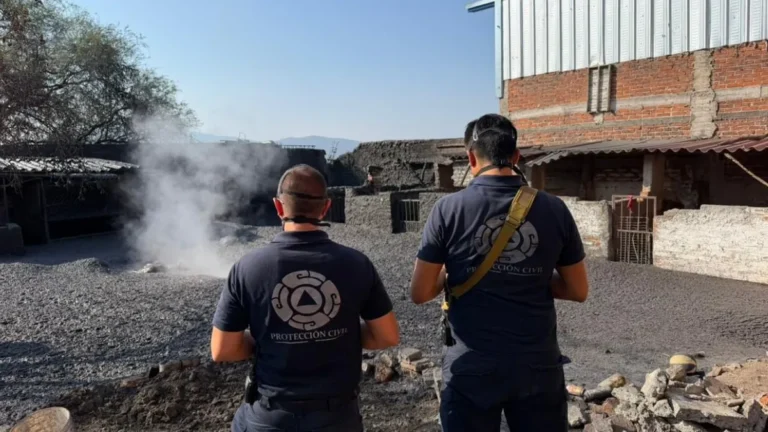
Authorities in Michoacán, Mexico, evacuated a residence and nearby homes and suspended classes at a nearby preschool after hot water, steam, mud, and gases vented from the ground at a residential property in the community of El Salitre, municipality of Ixtlán, during the night of May 25–26, 2026. Protección Civil described the phenomenon as hydrothermal activity under assessment.

A damaging tornado impacted the municipalities of San Nicolás Buenos Aires and Tlachichuca in Puebla, Mexico, on May 18, 2026, as severe storms produced flash flooding and hail damage across parts of central Mexico. Floodwaters reached depths of 50 cm (19.7 inches) on some streets, while hail damaged vegetable and potato crops in Quecholac and nearby communities.

Heavy rain flooded roads across the Monterrey metropolitan area, Nuevo León, Mexico, on Thursday, May 7, 2026, damaging dozens of vehicles and disrupting traffic in several municipalities. According to the Nuevo León Civil Protection agency, the rainfall event damaged 42 vehicles and caused electrical incidents, fallen trees, and road closures across the region.
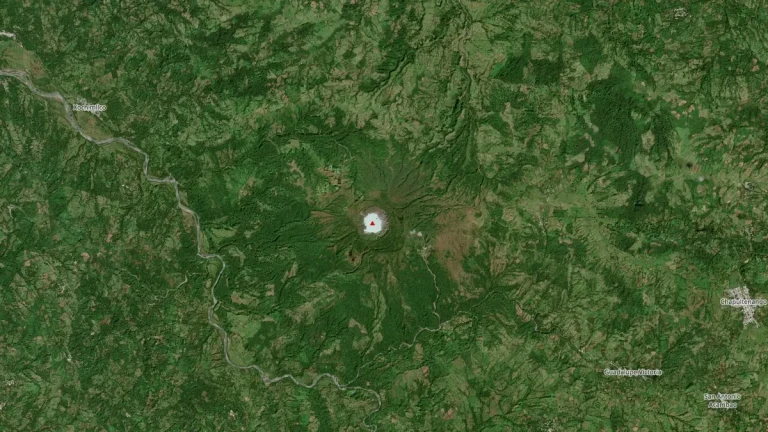
Hydrothermal unrest at El Chichón volcano in northern Chiapas, Mexico, has persisted since mid-2025, characterized by elevated seismicity, chemical-physical changes in the crater lake, and increased gas emissions. National and academic monitoring institutions report no evidence of magma ascent, and current conditions do not indicate an imminent eruption. The volcano remains at Yellow Alert.
