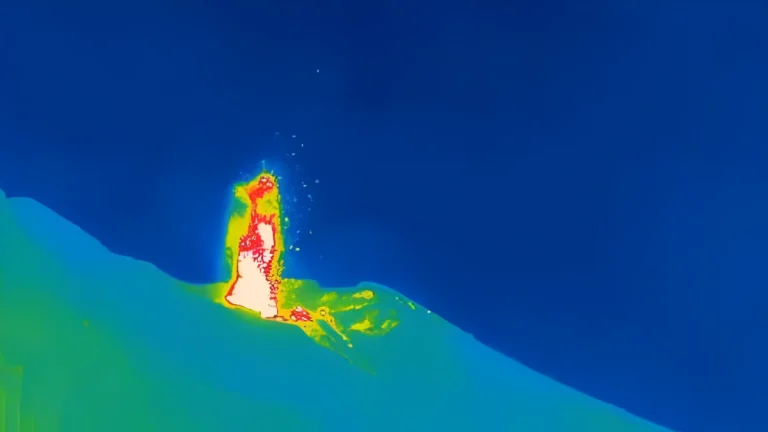
Major explosion recorded at Stromboli volcano, Italy
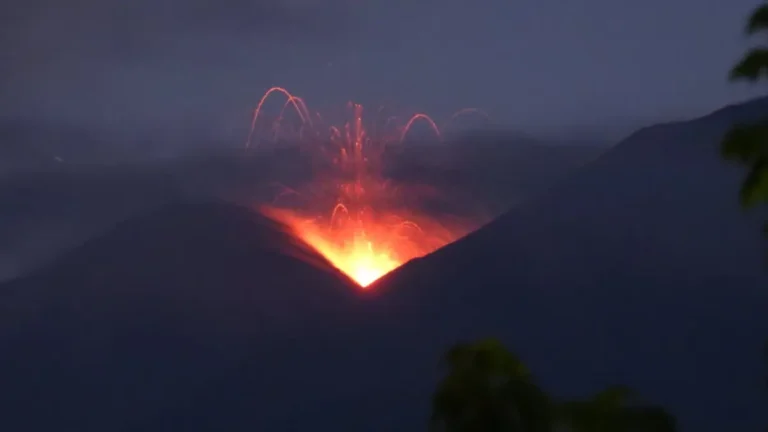
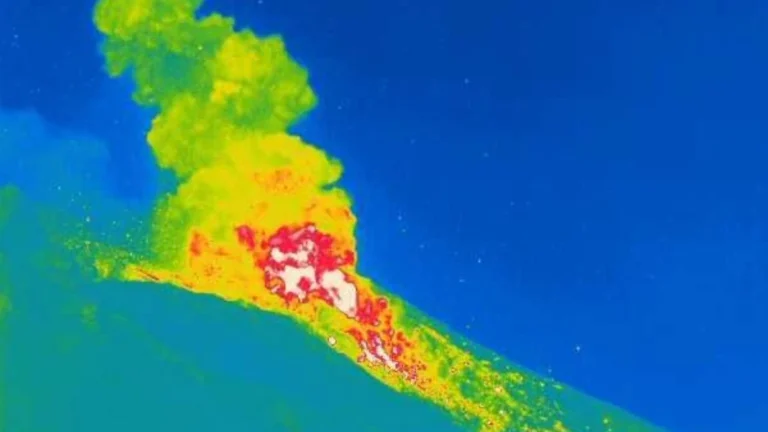
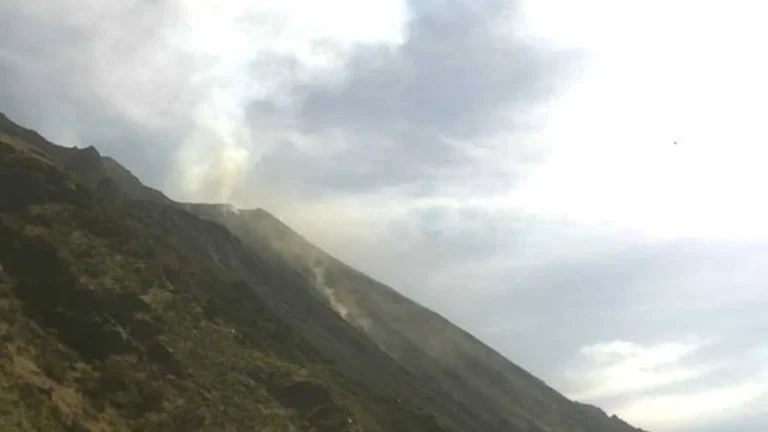
Italy’s National Institute of Geophysics and Volcanology (INGV) reported a major explosion at Stromboli volcano at 07:12 LT (05:12 UTC) on June 12, 2026.

Italy’s National Institute of Geophysics and Volcanology (INGV) reported a major explosion at Stromboli volcano at 07:12 LT (05:12 UTC) on June 12, 2026.

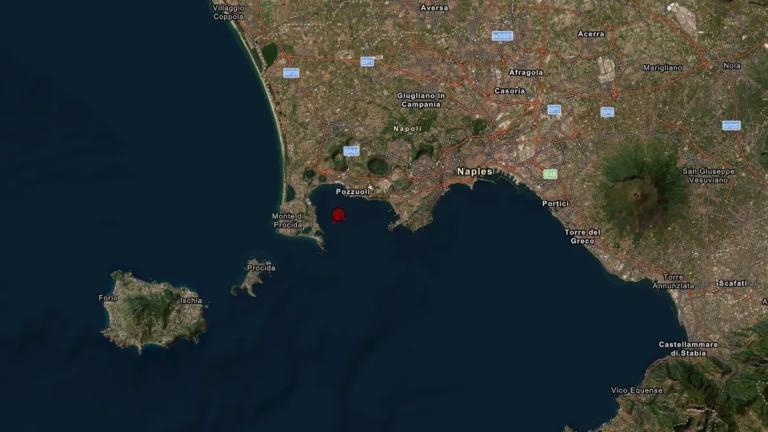
A shallow M4.4 earthquake struck the Campi Flegrei caldera west of Naples, Italy, at 05:50 LT (03:50 UTC) on May 21, 2026, beginning a seismic swarm that ended after 12 earthquakes.

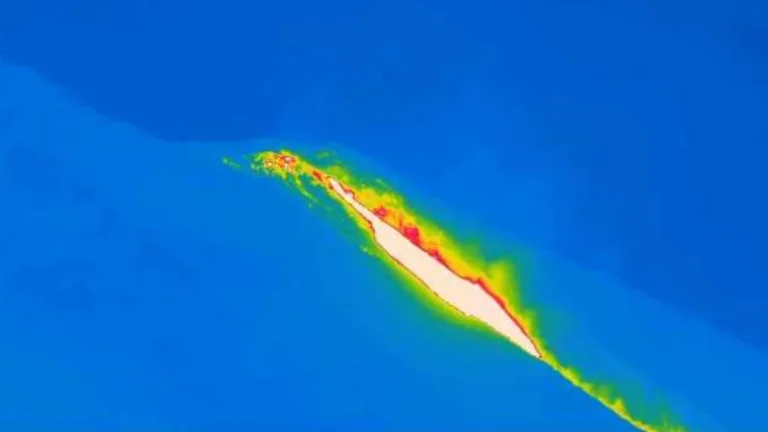
Lava overflow activity increased at Stromboli from 21:20 LT (19:20 UTC) on May 4, 2026, sending a flow from the North crater area down the Sciara del Fuoco to the coastline by about 03:00 LT (01:00 UTC) on May 5. INGV reported average volcanic tremor, a slight increase in explosion-related earthquakes, and no significant GNSS change.

Stromboli’s North Crater area is producing intense spattering on May 4, 2026, feeding a lava overflow onto the Sciara del Fuoco, INGV-OE reported at 11:21 UTC. The lava front was in the middle-upper section of the slope, while volcanic tremor was in the high range.

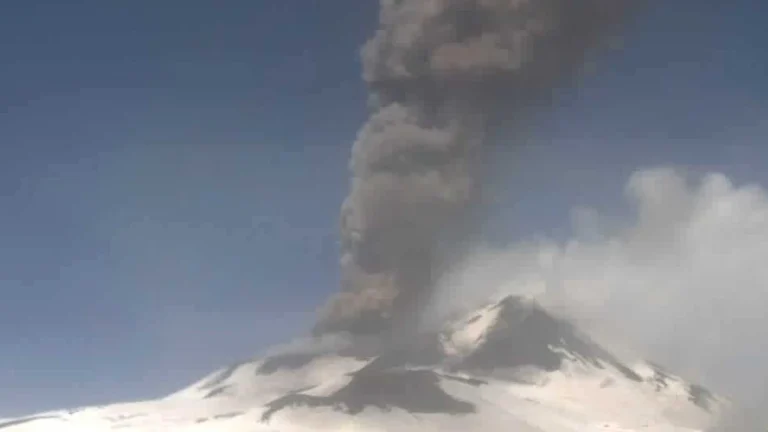
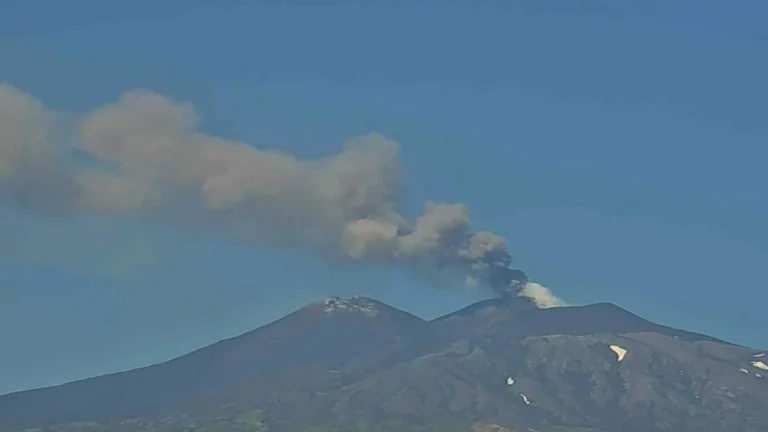
An impulsive explosion from the Bocca Nuova crater at Mount Etna, Italy, generated a short-lived ash emission at 13:12 LT (12:12 UTC) on March 4, 2026. Surveillance cameras recorded the ash plume dispersing quickly toward the eastern side of the volcano. The eruption followed an earthquake swarm on Mount Etna’s southwestern flank earlier in the day, which included a notable ML4.5 earthquake.

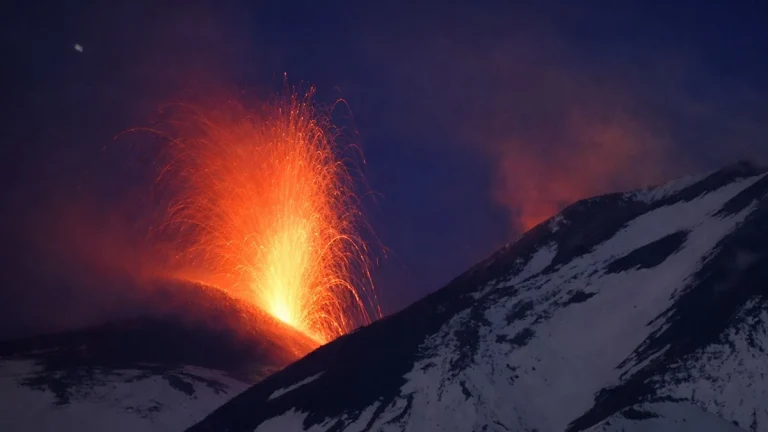
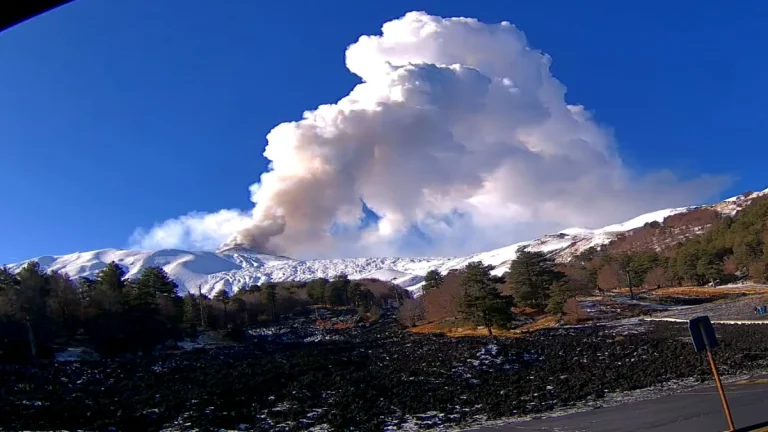
Two paroxysmal eruptions occurred at Mount Etna’s Northeast Crater on December 27, 2025, marking the first major eruptive episode from this crater in almost 28 years. The events produced lava fountains up to 500 m (1 640 feet), eruptive columns rising over 10 km (6 miles) above sea level, and a short lava flow from the nearby Voragine Crater. Activity gradually declined by December 28, with continued strombolian explosions and weak effusion.

Etna’s eruptive activity intensified rapidly between December 24 and 27, 2025, culminating in short-lived lava fountains about 200 m (650 feet) high and a new lava flow from the upper Voragine crater toward the Valle del Bove. INGV Etna Observatory (OE) raised the Aviation Color Code to Red on December 27 as tremor and infrasound amplitudes reached very high levels.

A lava overflow began from Stromboli’s northern crater area on November 13, 2025, sending a confined lava flow down the upper Sciara del Fuoco.

A lava overflow started from Stromboli’s North Crater area at around 10:00 UTC (11:00 LT) on November 9, 2025, feeding a lava flow on the upper Sciara del Fuoco. The activity, observed by the National Institute of Geophysics and Volcanology (INGV) through surveillance cameras, was accompanied by modest but continuous spattering from at least two vents in the North Crater area.

Carbon dioxide fluxes at Vulcano volcano, Aeolian Islands, Italy, sharply increased in August 2025, reaching more than 40 000 g/m²/day on August 18, before stabilizing around 30 000 g/m²/day.