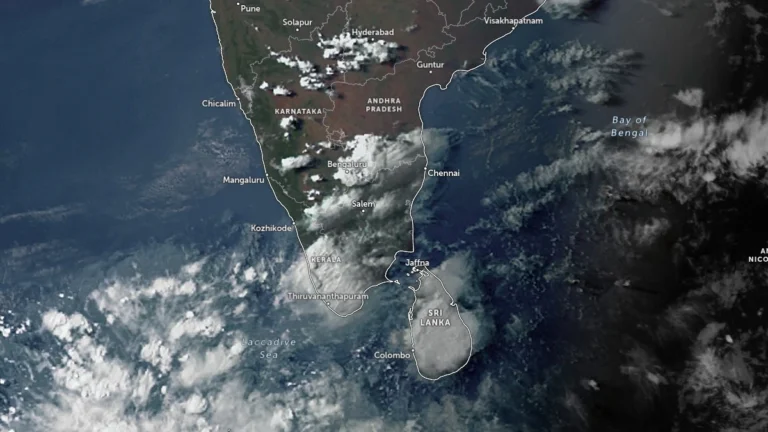
• Severe thunderstorms leave over 100 dead across Uttar Pradesh, India

    Severe thunderstorms swept across Uttar Pradesh, India, on the night of May 13, 2026, claiming at least 104 lives and leaving over 59 people injured across the state. Prayagraj was the worst hit, with preliminary reports indicating between 20 and 30 fatalities. Widespread destruction was reported in multiple districts, with more than 80 homes being damaged along with other structures.

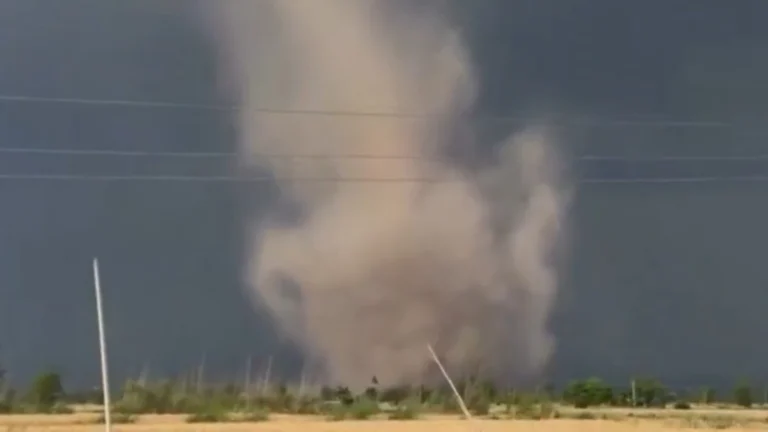
  • Rare tornado touches down near Devipur in Akhnoor, Jammu and Kashmir

    A rare tornado was reported near Devipur in the Akhnoor area of Jammu district, Jammu and Kashmir, India, on April 11, 2026, during scattered afternoon thundershowers. Eyewitness videos showed a narrow funnel extending from the cloud base to a rotating dust plume at the surface, while preliminary reports indicated no damage, injuries, or casualties. Faizan Arif, a Kashmir-based weather analyst, described the Akhnoor tornado as a “never-before-witnessed” event in Jammu’s Akhnoor area.

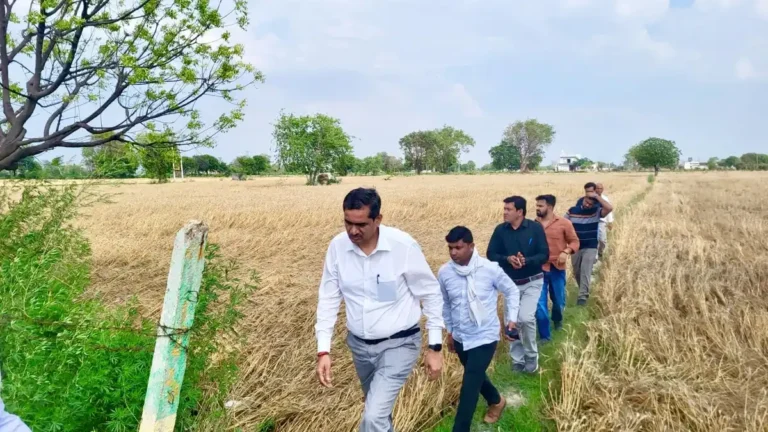
  • Dust storm leaves 3 dead and damages crops in western Uttar Pradesh, India

    A powerful dust storm accompanied by strong winds, rain, and hail struck western Uttar Pradesh, India on the night of April 3, 2026, leaving at least three people dead and two injured. The storm caused extensive damage to standing and harvested crops across multiple districts, with authorities reporting widespread agricultural losses and structural damage.

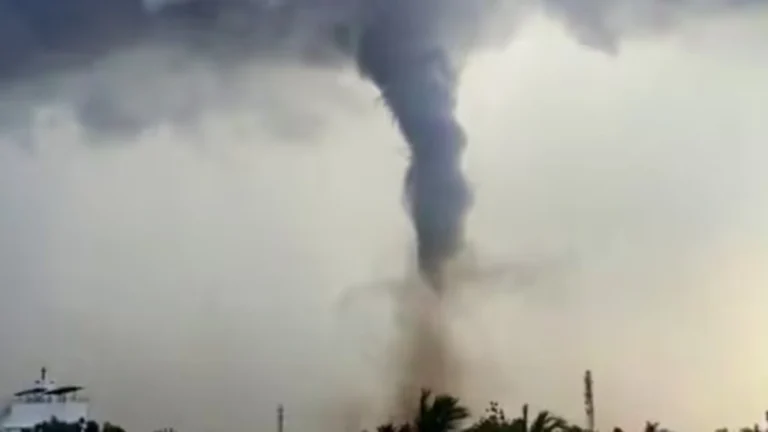
  • Rare tornado kills 2 in Odisha’s Mayurbhanj district, India

    A rare tornado struck near Tato in Odisha’s Mayurbhanj District on March 15, 2026, killing at least two people and injuring 29 others who had to be hospitalized. More than a hundred homes have reportedly been damaged and destroyed. Local reports mention this was the widest tornado to have ever struck Odisha.

  • Nipah virus detected among health staff in West Bengal, India

    Five Nipah virus cases have been reported in West Bengal, India, as of late January 2026, including doctors and nurses. The virus, which spreads from fruit bats to humans and between people, has prompted state authorities to quarantine more than 100 contacts and conduct field surveillance in affected districts. There is currently no licensed vaccine or antiviral treatment, and containment measures focus on isolation and contact tracing.

  • Extremely high particulate levels recorded as Delhi’s air pollution worsens after Diwali

    Air quality across New Delhi, India, deteriorated sharply between October 19 and 21, 2025, reaching “very poor” and “severe” levels at multiple monitoring stations. According to the Central Pollution Control Board (CPCB), the 24-hour average AQI rose from 296 on October 19 to 345–346 on October 20–21, prompting Stage II measures of the Graded Response Action Plan (GRAP) across the National Capital Region.