
Eight skiers confirmed dead, Castle Peak Avalanche is now the second deadliest in the modern U.S.
Eight skiers have been confirmed dead in the Castle Peak Avalanche, which occurred on Tuesday, February 17, 2026. This is now the deadliest avalanche on record for California and the second deadliest avalanche in the United States since modern record-keeping began in 1950.
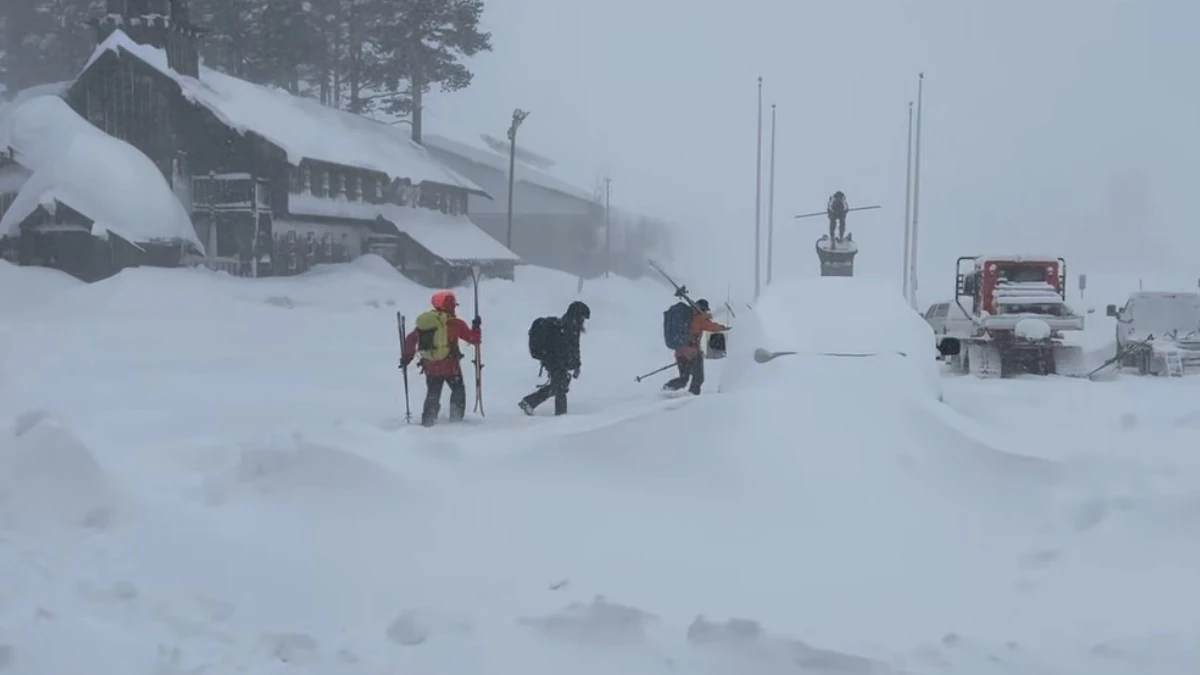
Image credit: Nevada County Sheriff's Office
Eight skiers were confirmed dead after they went missing on Tuesday, when they were caught in an avalanche near Castle Peak in the Sierra Nevada.
A total of 15 skiers were initially reported missing. Six were rescued earlier, and one remains missing.
The sheriff’s office stated that it was initially believed that 16 people had gone on the trip, but that number was later revised to 15. One person withdrew from the trip at the last minute, according to the sheriff’s office.
The group of 15 skiers traveled to remote huts at an altitude of 3 400 m (11 155 feet) in Tahoe National Forest, California.
The group was on a three-day trek in Northern California’s Sierra Nevada. At 06:49 local time on the same day, the Sierra Avalanche Center issued an avalanche watch for the area, indicating that large avalanches were likely within the next 24–48 hours.
The center upgraded the watch to a warning status as the group was returning to a trailhead two days later. Fatalities were confirmed on Wednesday, February 18.
This is now the deadliest avalanche in the history of California and the second-deadliest in the United States since modern records and data collection began in 1950.
The Mount Rainier Avalanche in Washington, which occurred on June 21, 1981, remains the deadliest avalanche in the United States, with 11 people killed.
The deadliest avalanche in United States recorded history remains the Stevens Pass Avalanche, also known as the Wellington Avalanche, which killed 96 people on March 1, 1910.
That avalanche led to changes in rail operations through the high Cascades. Afterward, the Great Northern Railroad, now known as Burlington Northern Santa Fe, built large concrete snowsheds over the tracks. A 12.6 km (7.8 miles) tunnel was later constructed through the mountains at a lower elevation. It opened in 1929 and remains in use.

I'm a dedicated researcher, journalist, and editor at The Watchers. With over 20 years of experience in the media industry, I specialize in hard science news, focusing on extreme weather, seismic and volcanic activity, space weather, and astronomy, including near-Earth objects and planetary defense strategies. You can reach me at teo /at/ watchers.news.

Commenting rules and guidelines
We value the thoughts and opinions of our readers and welcome healthy discussions on our website. In order to maintain a respectful and positive community, we ask that all commenters follow these rules.