• Magma accumulation exceeds 25 million m³ beneath Svartsengi, Iceland

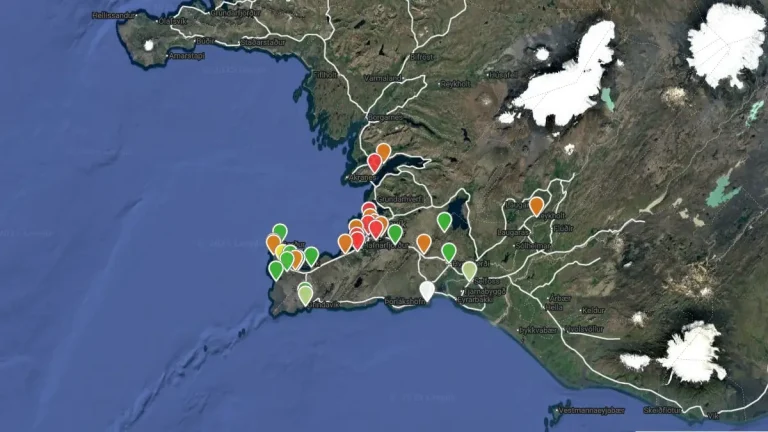
    More than 25 million m³ (883 million ft³) of magma has accumulated beneath Svartsengi, Iceland, since the last eruption in July 2025, the Icelandic Meteorological Office (IMO) reported on April 28, 2026. IMO said ground uplift continues at up to 2 cm (0.8 inches) per month, while magmatic dike propagation toward the Sundhnúkur crater row remains the most likely scenario and could lead to an eruption.

  • Strong earthquake swarm shakes Katla volcanic system beneath Mýrdalsjökull, Iceland

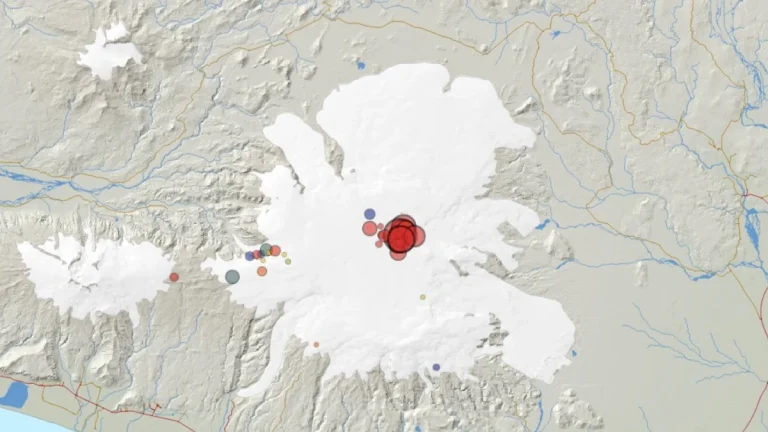
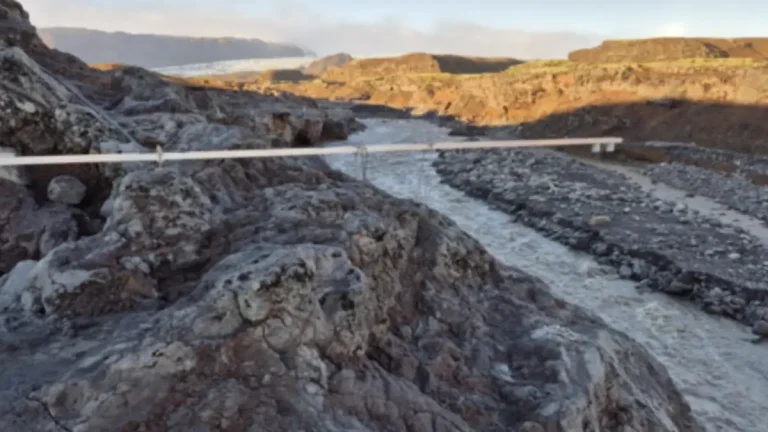
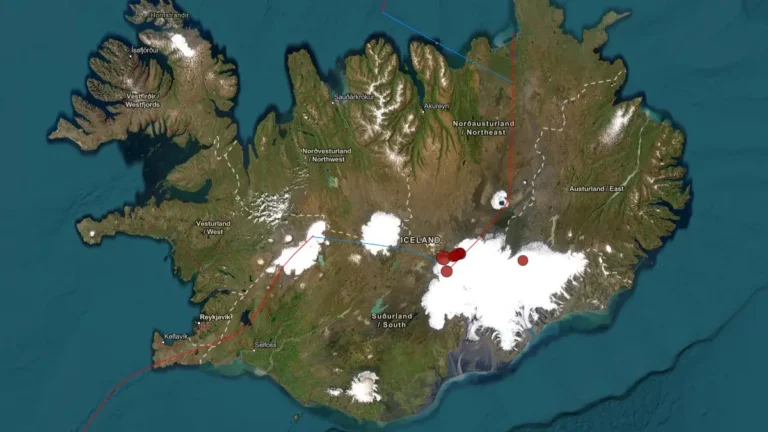
    A strong seismic swarm began beneath Iceland’s Mýrdalsjökull glacier, part of the Katla volcanic system, around 10:30 UTC on October 20, 2025. Several earthquakes above magnitude 3 were recorded, the largest reaching M4.5 at 10:51 UTC. The Icelandic Meteorological Office reports no felt activity and no changes in river levels, conductivity, or deformation, indicating no immediate signs of eruption at the Katla volcano or glacial flooding.

  • Magma accumulation under Svartsengi nears eruption threshold, Iceland

    Around 6 to 7 million m3 (212 to 247 million ft3) of magma have accumulated beneath Svartsengi, Iceland since the eruption on July 16, 2025. At the current rate of accumulation, the estimated threshold of 12 million m3 (424 million ft3) could be reached in the latter half of September, increasing the likelihood of a new eruption.

  • Sulfur dioxide from 2023 Icelandic eruption traveled 2 000 km (1 240 miles) to Arctic’s Svalbard Islands

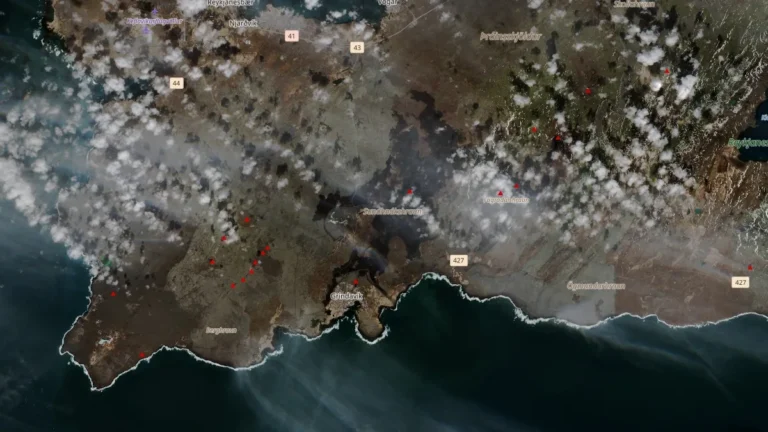
    A Chinese research team tracked sulfur dioxide (SO2) from Iceland’s Sundhnukagigar volcano, which traveled over 2 000 km (1 243 miles) to the Svalbard Islands in the Arctic in 2023, causing significant smog. The findings, published in The Innovation Geoscience, documented the long-distance environmental impact of the eruption.

  • Volcanic eruption reported near Grindavík, Iceland

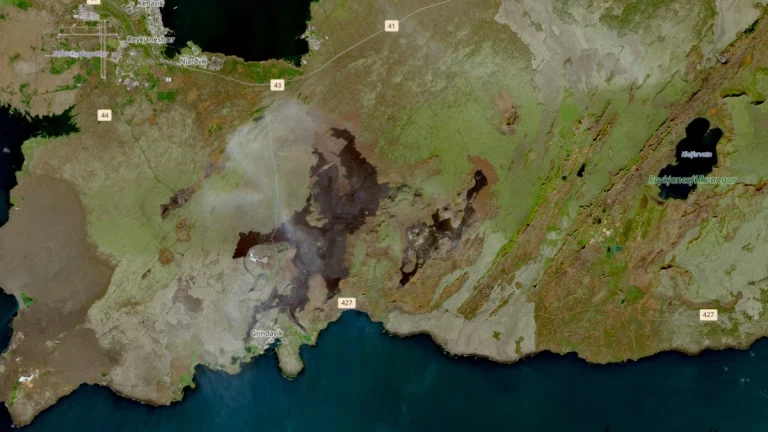
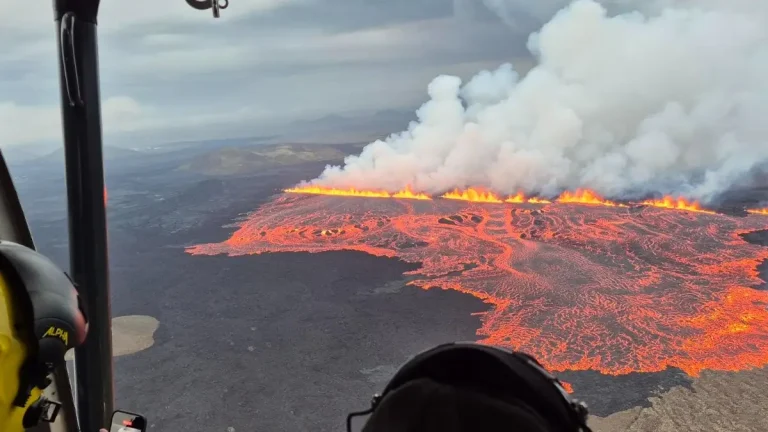
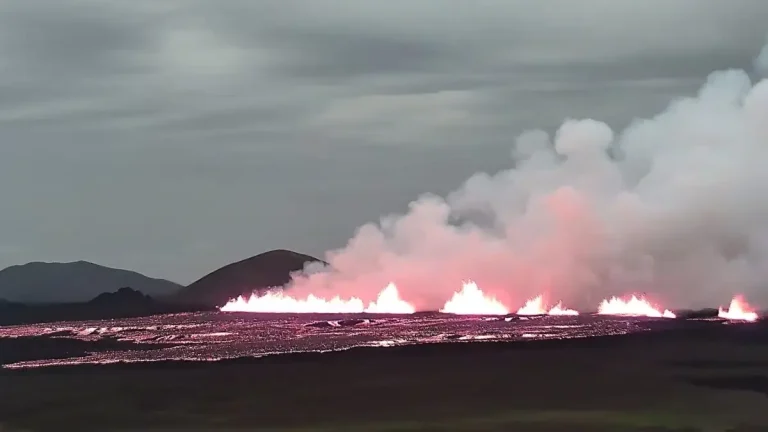
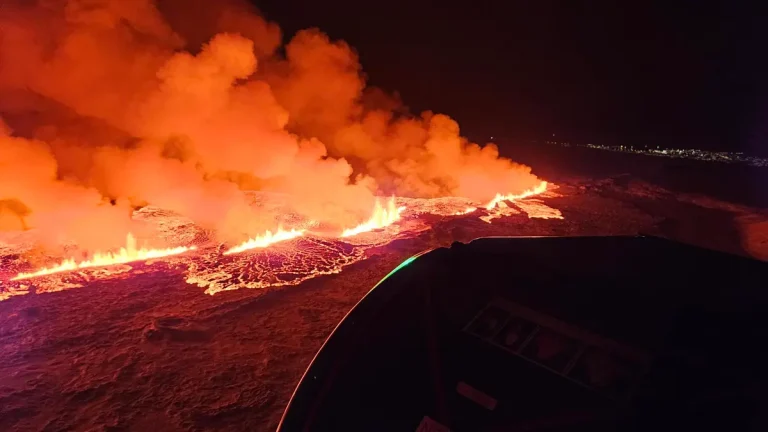
    A new volcanic eruption has just begun north of the dam near Grindavík, Iceland, the Icelandic Met Office (IMO) reported at 09:45 UTC. A Coast Guard helicopter was sent to confirm the exact location and size of the eruption. This is the 11th eruption on the Reykjanes Peninsula since 2021 and the 9th on the Sundhnúk crater series.