• New method of finding planets scores its first discovery

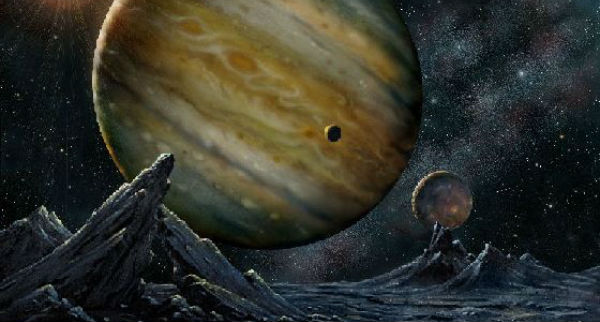
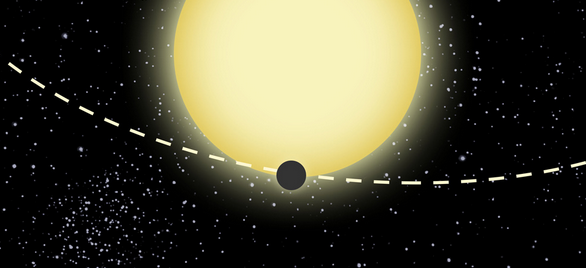
    A team at Tel Aviv University and the Harvard-Smithsonian Center for Astrophysics (CfA) has just discovered an exoplanet using a new method that relies on Einstein's special theory of relativity.

    Detecting alien worlds presents a significant challenge since they
  • New technology aims at improvising exoplanet discovery

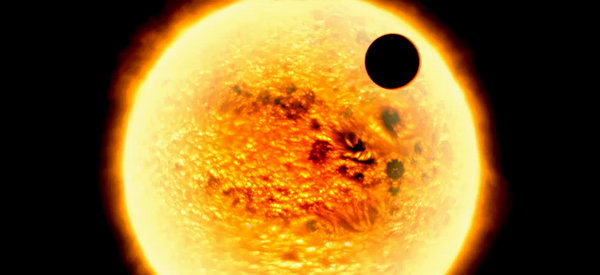
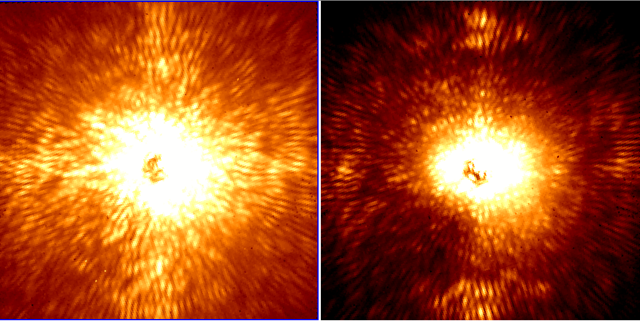
    A new advanced telescope imaging system is expected to improve detection of exoplanets obscured by exponentially bright stars. Unlike Kepler mission which uses the transit method to find out exoplanets transiting in front of their stars, this one actually blots out

  • Exoplanets: detection, atmospheres and habitability

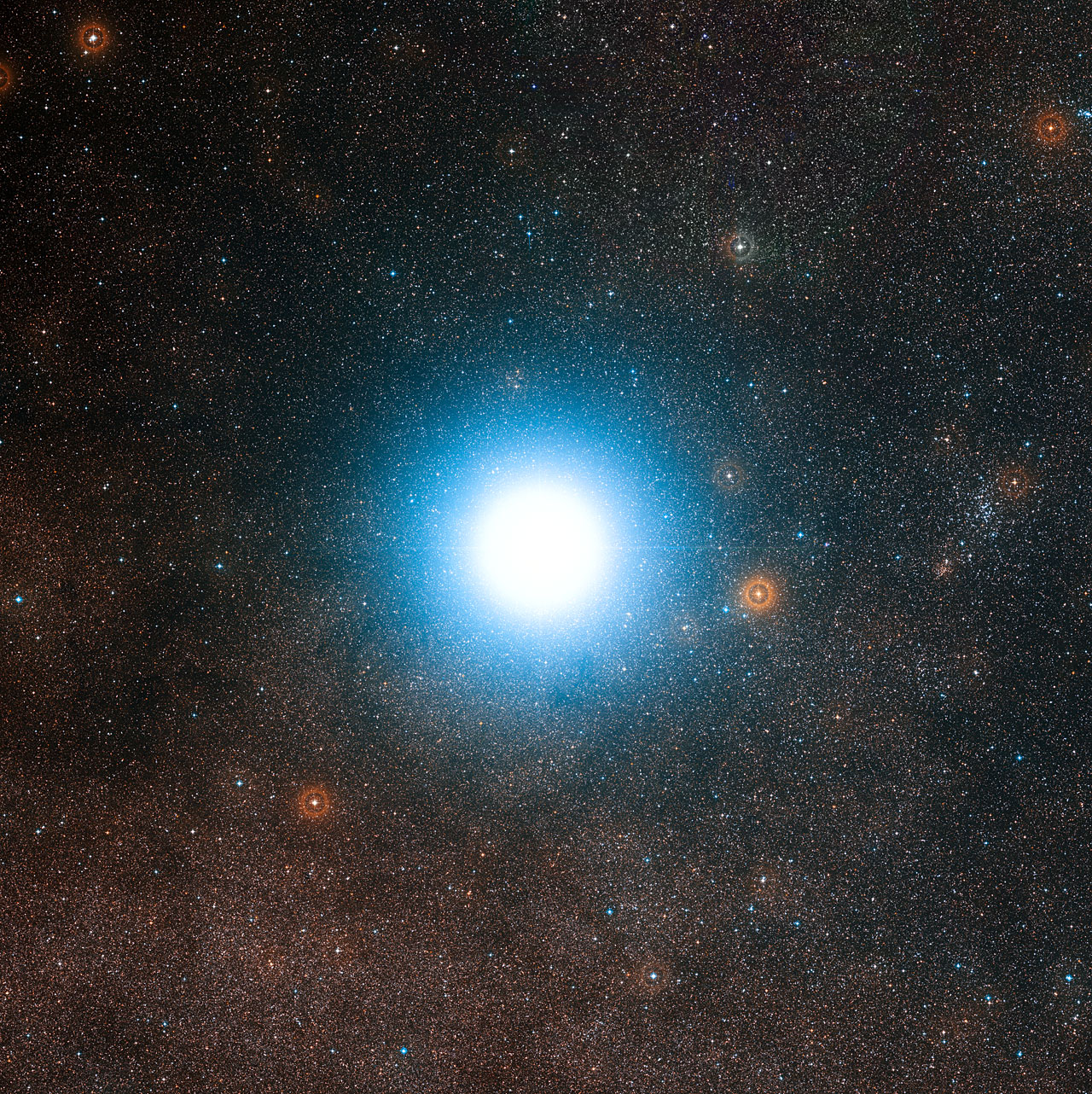
    In this 8th session of the internet-based live lectures between Universities and Institutes, Dr Heike Rauer gives an overview on the current status of exoplanet detections with focus on terrestrial planets in and near the habitable zone, detected by different

  • 55 Cancri E – Super-Earth planet scientists think is likely made of diamond

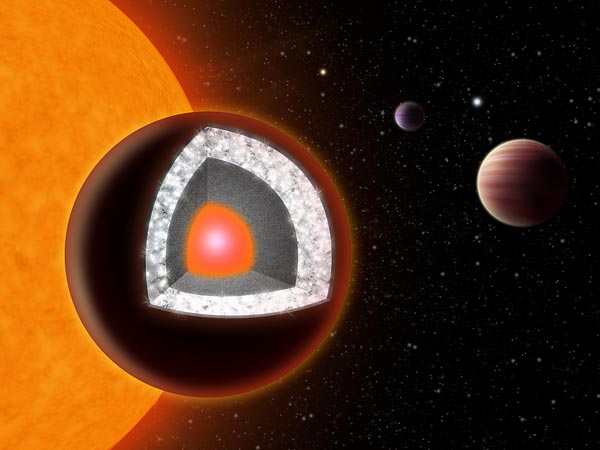
    A recent study done by Nikku Madhusudhan, a Yale postdoctoral researcher in physics and astronomy, Yale geophysicist Kanani Lee, and Olivier Mousis, a planetary scientist at the IRAP suggests a surface of a nearby super-Earth planet is covered in graphite and diamond.

  • First cosmic census estimates there are 50 billion planets in Milky Way

    Scientists have estimated the first cosmic census of planets in our galaxy and the numbers are astronomical – at least 50 billion planets in the Milky Way. And some 500 million of those planets are in what is known as the Goldilocks zone, where the climate is thought