• Astronomers detect disintegrating rocky exoplanet with longest known dust trail

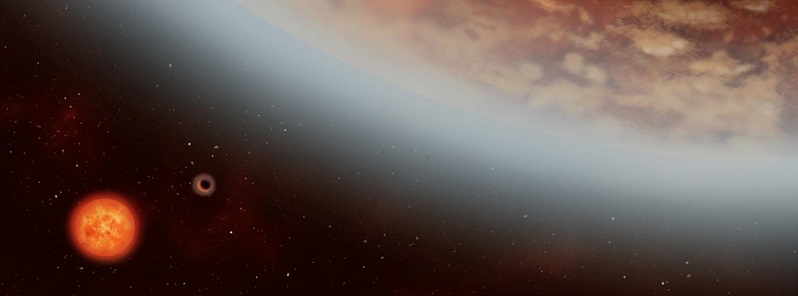
    Astronomers have uncovered a new exoplanet that’s slowly breaking apart. Located 140 light-years away, this Mercury-sized planet is losing material at an alarming rate, creating a massive trail of vaporized minerals as it orbits its star. This discovery gives scientists a rare chance to study how intense heat and gravity affect a planet’s fate.

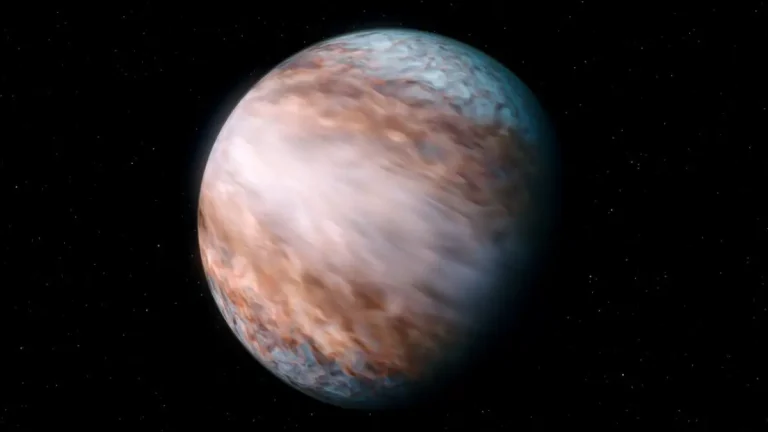
  • Signs of life detected on exoplanet K2-18b

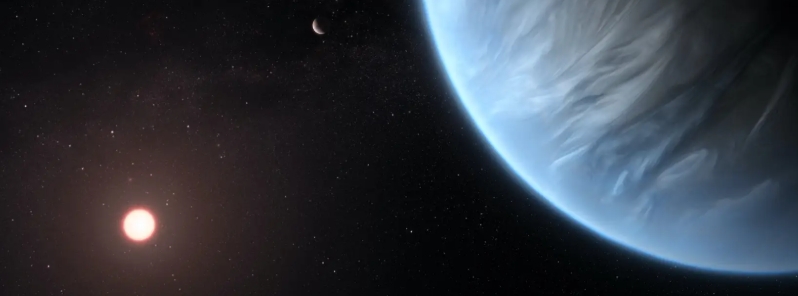
    Researchers using the James Webb Space Telescope have detected molecules in the atmosphere of exoplanet K2-18b that may indicate potential biological activity. The analysis revealed the presence of dimethyl sulfide and dimethyl disulfide—compounds that, on Earth, are primarily produced by biological processes.

  • Two Super-Earths around red dwarf K2-18

    New research using data collected by the European Southern Observatory (ESO) has revealed that a little-known exoplanet called K2-18b could well be a scaled-up version of Earth. Just as exciting, the same researchers also discovered for the first time that the…

  • Closest temperate world orbiting quiet star discovered

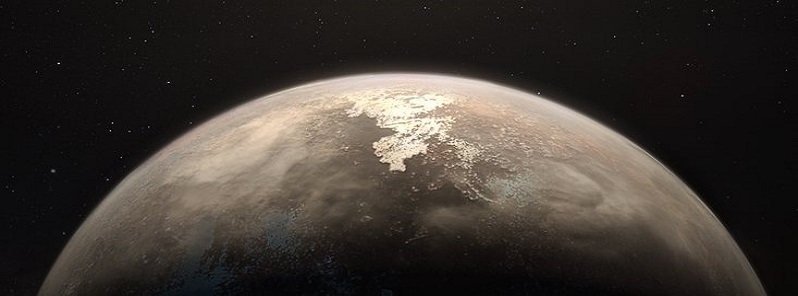
    A temperate Earth-sized planet has been discovered only 11 light-years from the Solar System by a team using ESO’s unique planet-hunting HARPS instrument. The new world has the designation Ross 128 b and is now the second-closest temperate planet to be…

  • Planet 9 – the first exoplanet within our home solar system

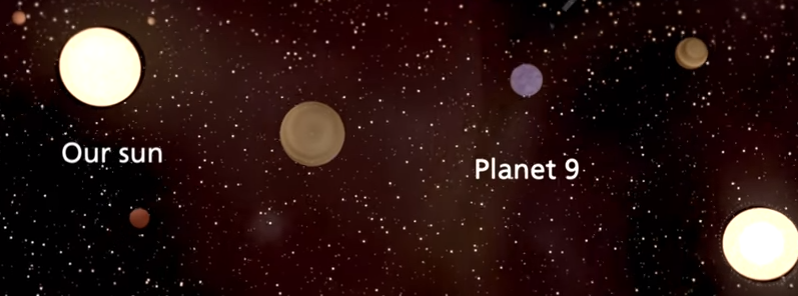
    The newest computer simulation, conducted by researchers from the Lund University in Sweden, suggests the so-called Planet 9 is most likely an exoplanet. If the discovery proves correct, it will make it the first exoplanet revealed inside our home solar system and,…

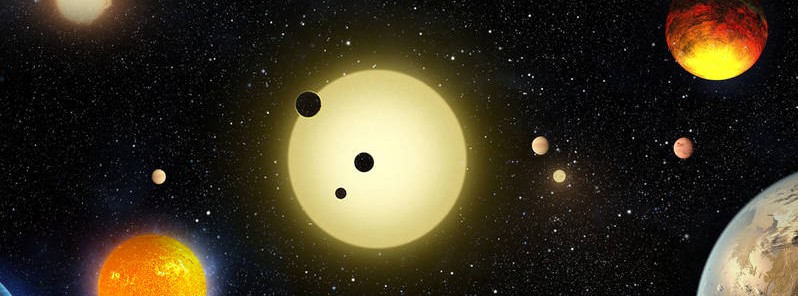
  • Kepler mission announces largest collection of planets ever discovered

    Kepler mission announced today it has verified 1 284 new planets – the single largest finding of planets to date. "This announcement more than doubles the number of confirmed planets from Kepler and gives us hope that somewhere out there, around a star…

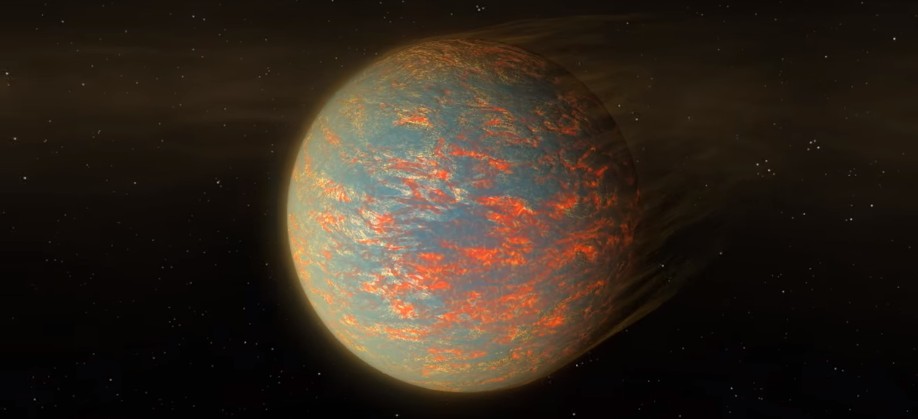
  • Most detailed map of ‘super Earth’ reveals a lava planet

    An international team of astronomers, led by the University of Cambridge, used data from NASA’s Spitzer Space Telescope and obtained the most detailed ‘fingerprint’ of a rocky planet outside our solar system to date. They found a planet of two…