Earthquake swarm near Eldey and Reykjanestá, Iceland
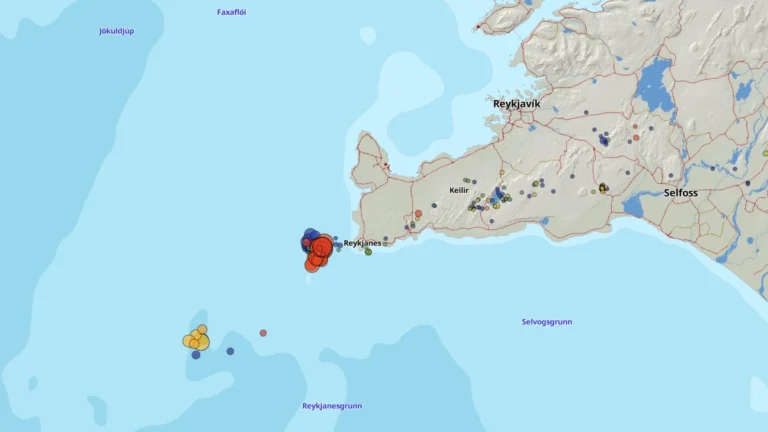
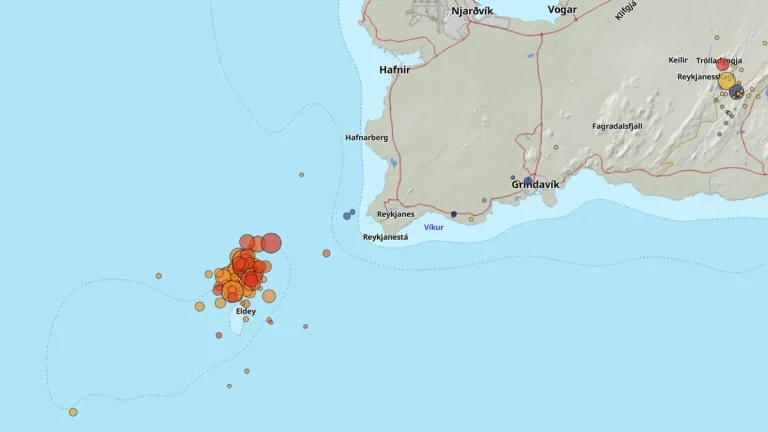
More than 220 earthquakes have been recorded near Reykjanestá and Eldey, Iceland, since May 23, 2026, with the largest measuring M3.5 at 05:06 UTC on May 24.

More than 220 earthquakes have been recorded near Reykjanestá and Eldey, Iceland, since May 23, 2026, with the largest measuring M3.5 at 05:06 UTC on May 24.

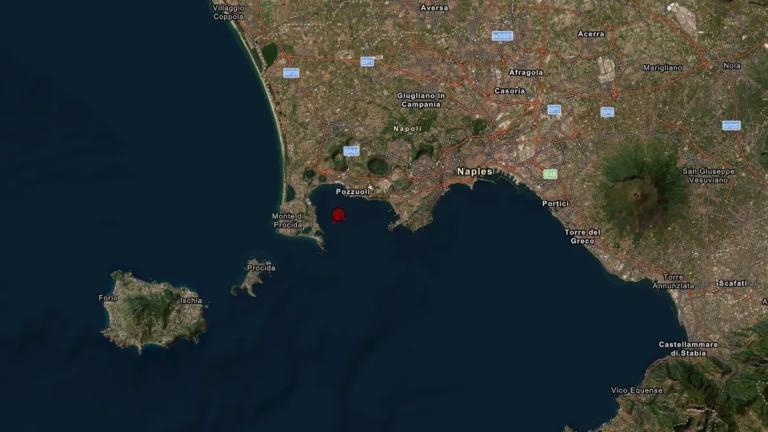
A shallow M4.4 earthquake struck the Campi Flegrei caldera west of Naples, Italy, at 05:50 LT (03:50 UTC) on May 21, 2026, beginning a seismic swarm that ended after 12 earthquakes.

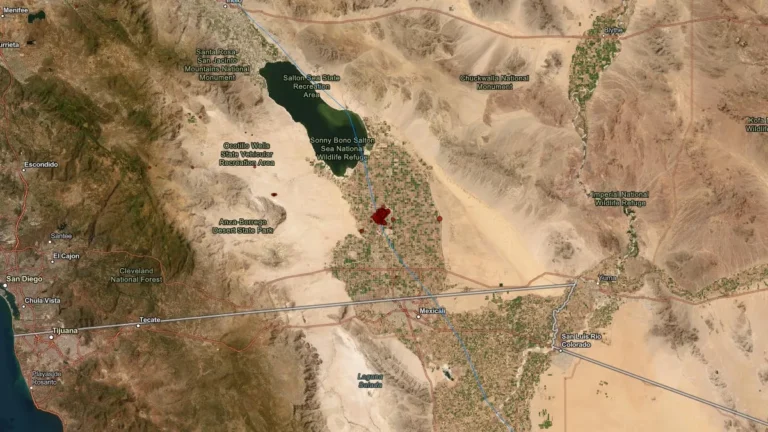
Hundreds of earthquakes struck the Brawley area of Imperial County, California, from May 9 to 11, 2026, including the strongest reported M4.7 event at 07:10 UTC on May 10. The swarm caused infrastructure damage, including water line breaks and road damage.

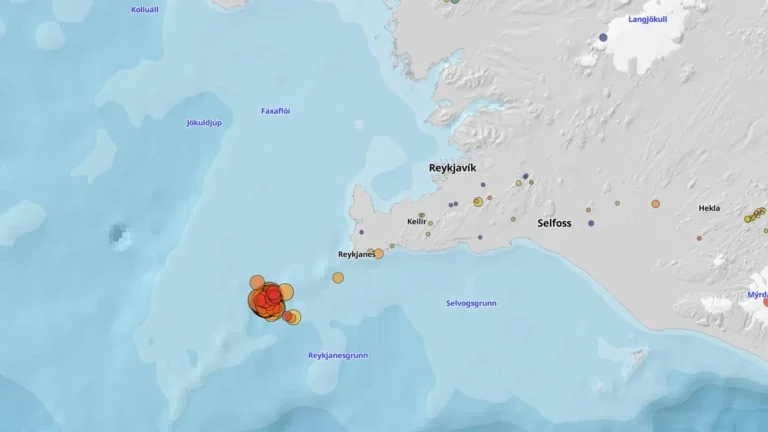
An earthquake swarm with over 300 events over 48 hours is in progress on the Reykjanes Ridge southwest of Eldey, Iceland, since March 23, 2026, with the largest earthquake thus far registered as M4.4. The Icelandic Meteorological Office said there are no indications linking the activity to volcanic processes on the Reykjanes Peninsula.

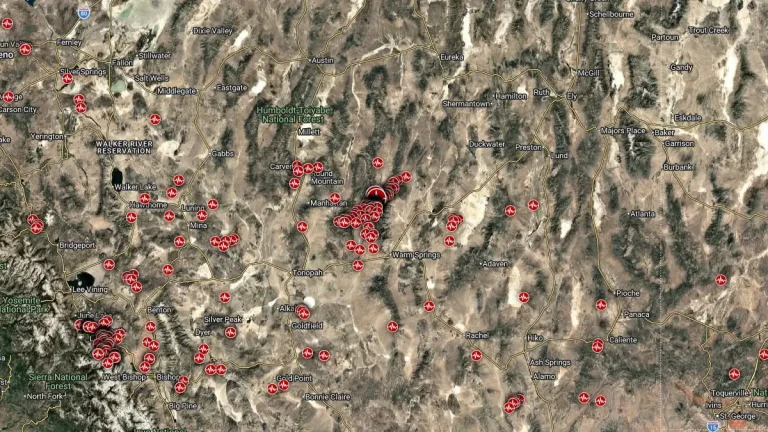
A swarm of small earthquakes has been shaking the desert northeast of Tonopah, Nevada, since late February 2026, with nearly a hundred shallow events recorded by the U.S. Geological Survey through 17:00 UTC on March 4.

An earthquake swarm began near Eldey Island on Iceland’s Reykjanes Ridge at around 12:40 UTC on February 8, 2026. The activity consisted of several hundred shallow earthquakes, most below M3. There is no reported damage or indications of eruptive activity.

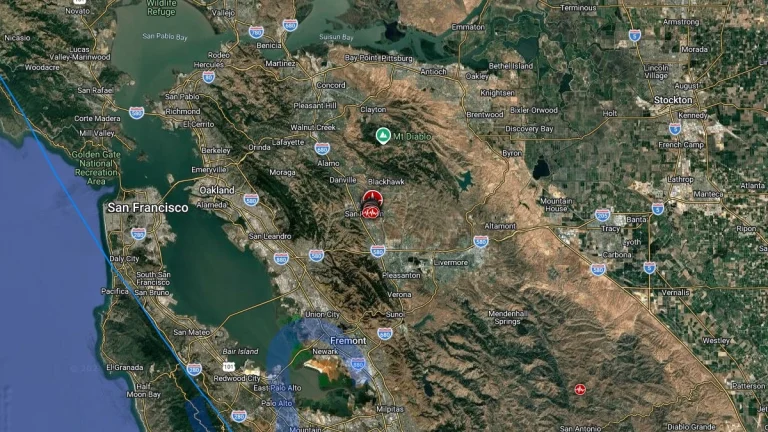
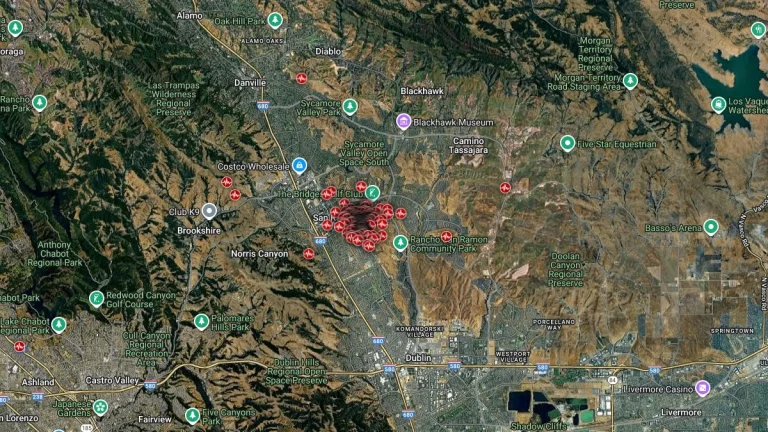
A shallow M4.2 earthquake occurred 4 km (2.5 miles) east-southeast of San Ramon, California, at 15:01 UTC on February 2, 2026, as part of an intense earthquake swarm in the East Bay. U.S. Geological Survey data show sustained seismic activity before and after the main event.

An earthquake swarm that began near downtown San Ramon, California, in October remained active on December 15, with three earthquakes recorded within a few hours by the U.S. Geological Survey. The swarm is occurring in a structurally complex fault zone near the Calaveras Fault, where stress is released through repeated small ruptures rather than a single larger earthquake.

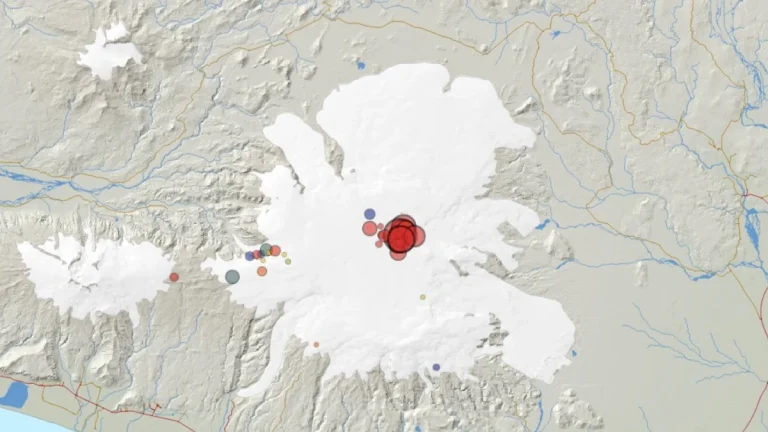
A strong seismic swarm began beneath Iceland’s Mýrdalsjökull glacier, part of the Katla volcanic system, around 10:30 UTC on October 20, 2025. Several earthquakes above magnitude 3 were recorded, the largest reaching M4.5 at 10:51 UTC. The Icelandic Meteorological Office reports no felt activity and no changes in river levels, conductivity, or deformation, indicating no immediate signs of eruption at the Katla volcano or glacial flooding.

A state of emergency was declared for the Greek island of Santorini on February 6, 2025, due to significant seismic activity affecting the region over the past 10 days. The measure was announced by General Vasilis Papageorgiou, Civil Protection Secretary, and will remain in effect until March 3. The most powerful earthquake recorded so far, measuring 5.2 in magnitude, occurred on February 5. The continuous seismic activity has led to the evacuation of over 10 000 residents and workers from the island.