• Wildfires caused record losses in 2025 despite having the second-lowest burn area since 2002

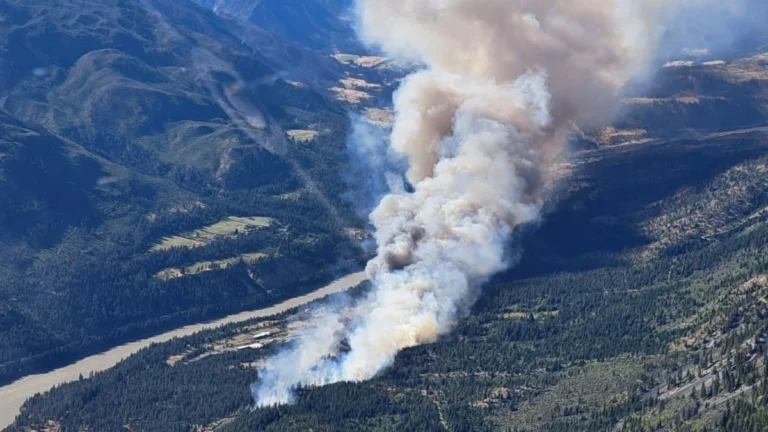
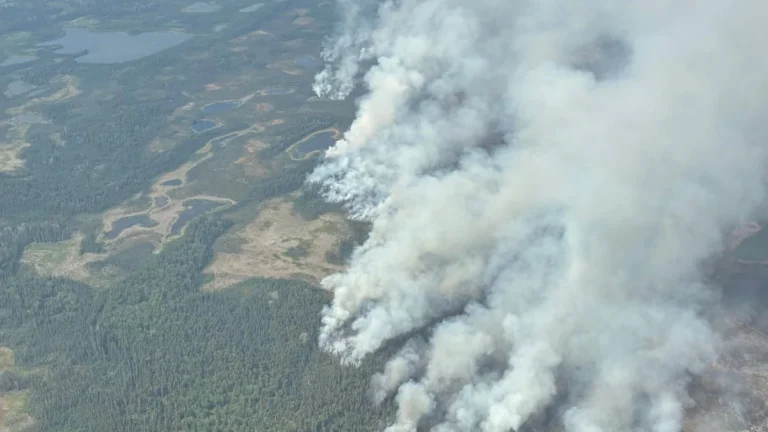
    A new study found that 335 million ha (828 million ha) burned worldwide in 2025, the second-lowest global wildfire total since 2002 and 16% below the long-term average. Despite that, 2025 became the costliest year on record for insured wildfire losses globally, with more than 300 000 evacuations and over 90 fatalities linked to major fires in Canada, the United States, Europe, and South Korea.

  • Saskatchewan records first tornado of 2026, Canada

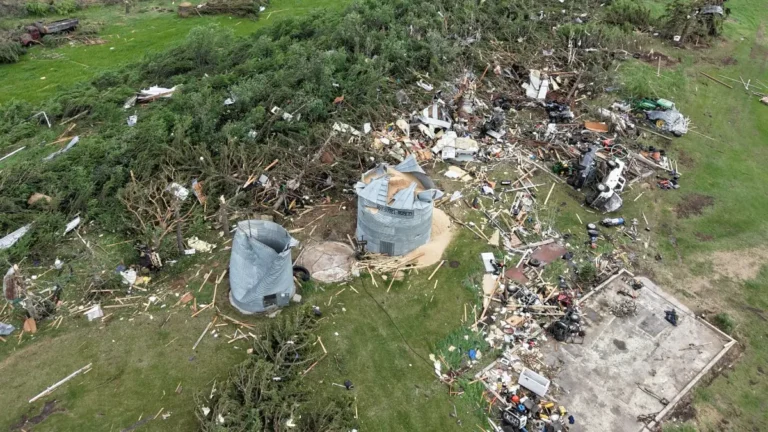
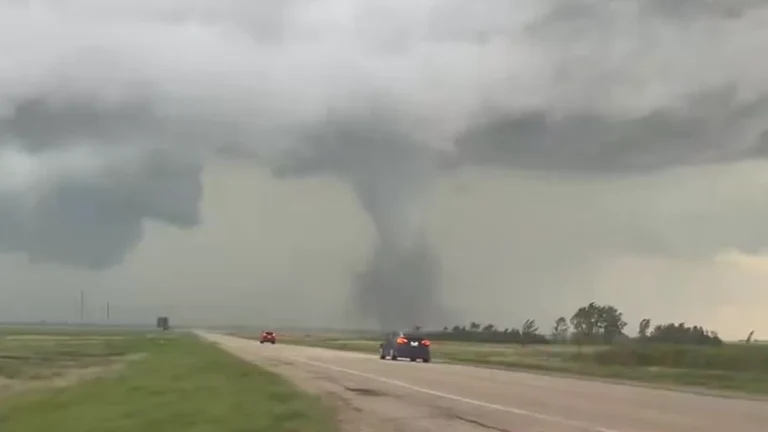
    The Northern Tornadoes Project confirmed Saskatchewan’s first tornado of 2026 after an EF0 landspout touched down near Disley, west of Regina, on May 22, while additional surveys in Ontario and Alberta raised Canada’s confirmed tornado count to 11 this year.

  • Landslide reactivation forces evacuation in Old Fort, British Columbia

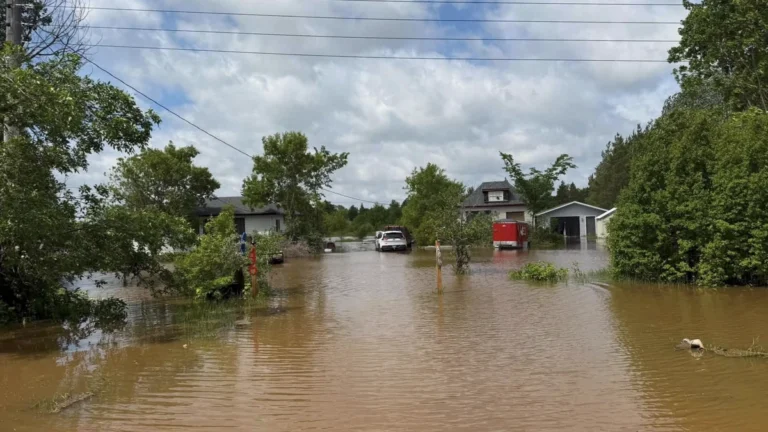
    A reactivated landslide in Old Fort, northeastern British Columbia, Canada, on April 20, 2026, prompted authorities to issue an evacuation order affecting approximately 150 residents. The movement damaged critical infrastructure, including the closure of the main access road, while Emergency Support Services coordinated evacuations and opened a reception center. Rainfall forecast over the next 48 hours introduces additional risk for slope instability.

  • Major late-season winter storm forecast to bring up to 50 cm (20 inches) of snow and freezing rain to northern Manitoba, Canada

    A major late-season winter storm is forecast to impact northern Manitoba, Canada, beginning Wednesday evening, April 22, 2026, bringing 30–50 cm (12–20 inches) of snow, freezing rain, and strong winds. The system will produce rain or freezing rain across central regions before transitioning to heavy snow through Saturday, creating hazardous travel conditions and increasing the risk of power outages.

  • Widespread snow, freezing rain, and strong winds forecast as cross-country storm impacts Canada

    A cross-country storm is forecast to affect multiple regions of Canada from March 23 through midweek, bringing snow to western and central areas before spreading mixed precipitation and stronger impacts into parts of Ontario, Quebec, and Atlantic Canada. The highest-confidence snowfall totals, reaching 20 to 40 cm (8 to 16 inches) in parts of Newfoundland and elsewhere in Atlantic Canada, are expected to create hazardous travel conditions, reduced visibility, and local transport disruptions.