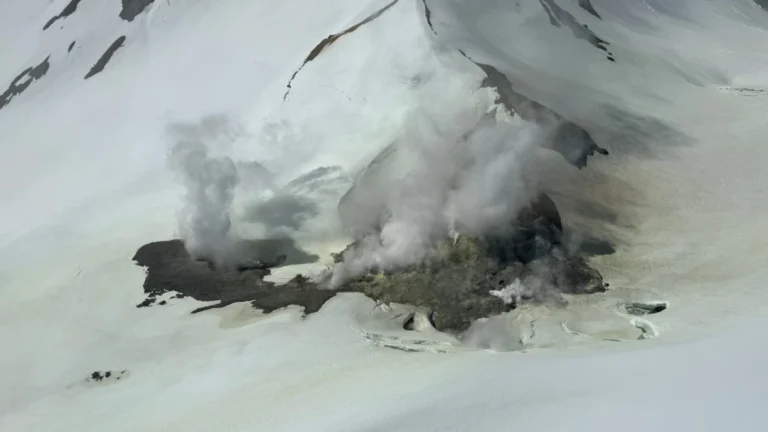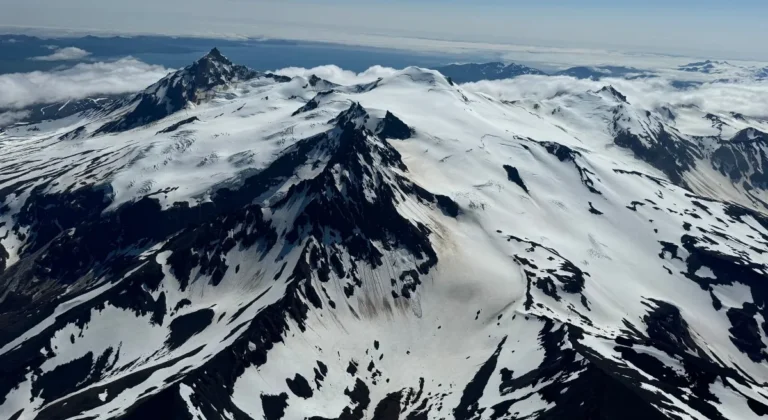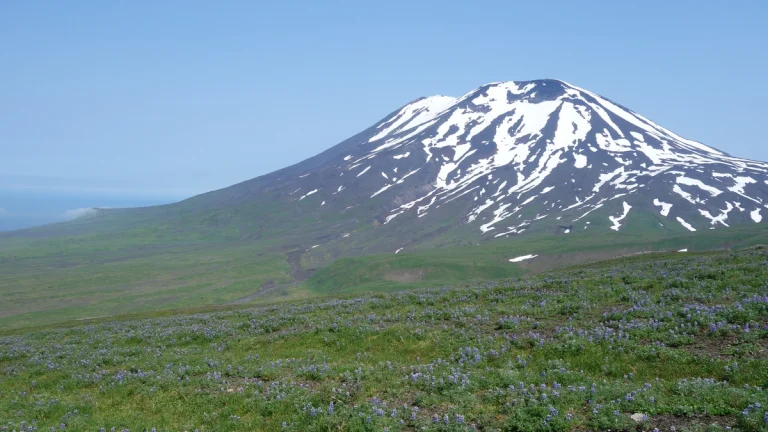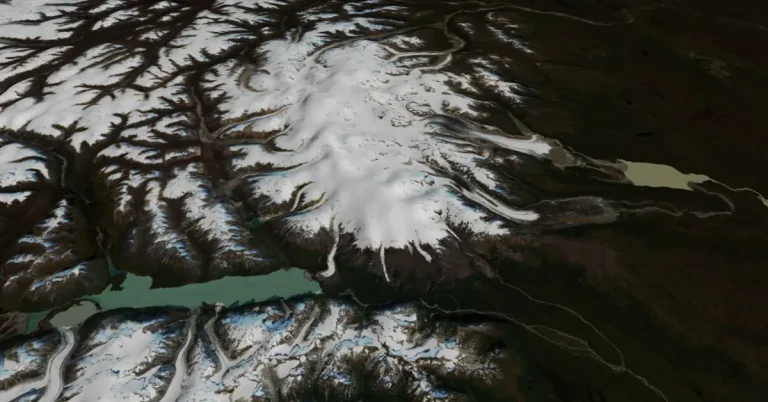
• Increased seismicity and gas emissions at Kupreanof volcano, Alaska

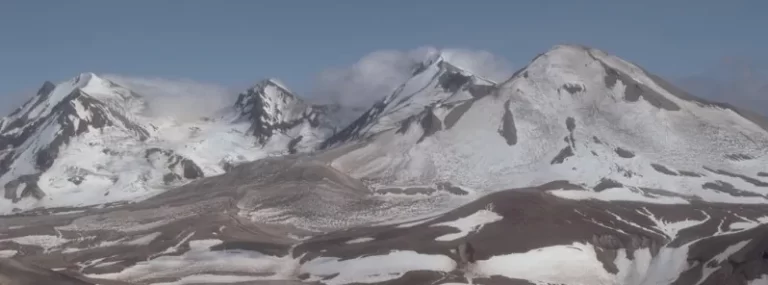
    Seismic activity and sulfur dioxide emissions have increased at Kupreanof volcano in Alaska over recent months, likely due to magmatic intrusion beneath the volcano. Kupreanof is a heavily glaciated stratovolcano on the Alaska Peninsula with no known historical eruptions. Current data do not indicate an eruption is imminent.

  • Increased likelihood of eruption at Mount Spurr, Alaska

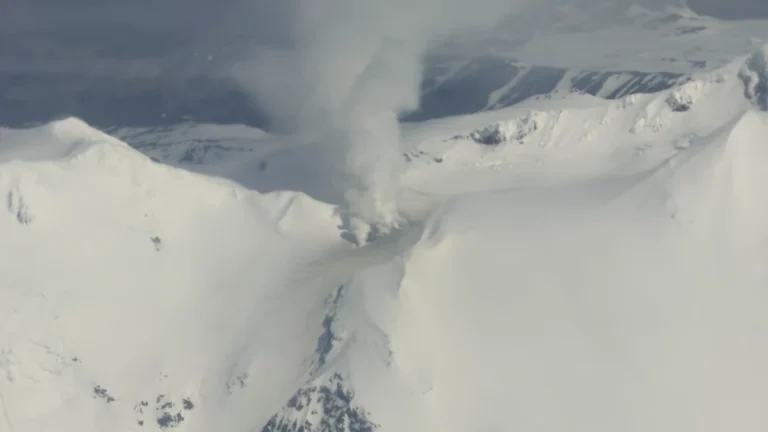
    The likelihood of an eruption at Mount Spurr has increased with gas emissions recorded on March 7 and 11, confirming ongoing volcanic unrest. The volcano is located about 120 km (75 miles) west of Anchorage (population 286 000), Alaska.

  • Increased seismic activity and ground inflation at Mount Spurr, Alaska

    Mount Spurr in Alaska remains in a state of volcanic unrest, with AVO detecting numerous shallow earthquakes on February 13, 2025, likely caused by magma movement beneath the volcano. While an eruption is not expected in the near term, ongoing activity suggests one could occur in the future, most likely at Crater Peak, which erupted explosively in 1953 and 1992.

  • High-level eruption at Shishaldin volcano, Aviation Color Code raised to Red, Alaska

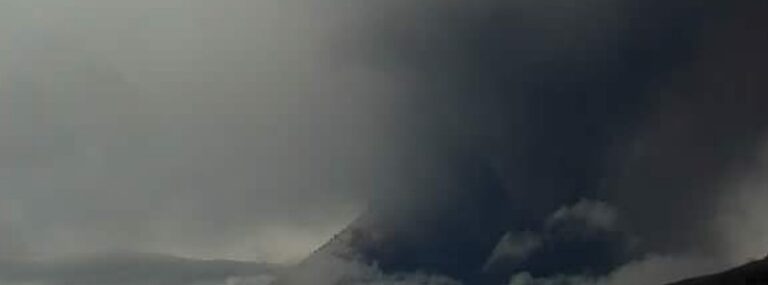
    An ash cloud from Alaska’s Shishaldin Volcano soared above 6 km (20 000 feet) above sea level at 13:24 UTC and up to 13.7 km (45 000 feet) by 14:18 UTC on September 25, 2023. The eruption, monitored through an array of sensors and satellite data, led authorities to elevate the Aviation Color Code to Red and the Volcano Alert Level to Warning.

  • Strong explosive eruption at Shishaldin volcano, ash reaches 12.8 km (42 000 feet) a.s.l., Alaska

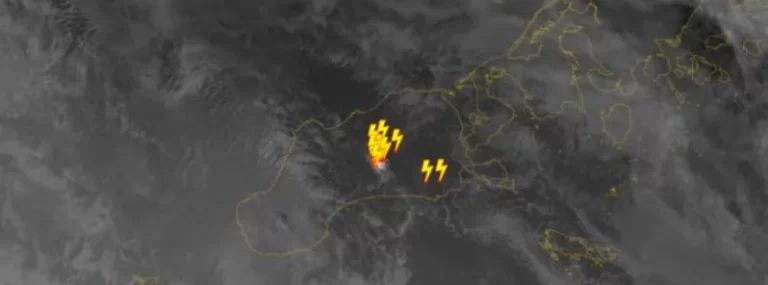
    On September 15, 2023, around 01:10 UTC, an explosive eruption from Shishaldin Volcano sent an ash-rich cloud soaring to an altitude of 12.8 km (42 000 feet), accompanied by volcanic lightning. The eruption followed a several-hour increase in seismicity. The Aviation Color Code and Volcano Alert Level were raised to RED/WARNING.

  • Magma intrusion at Trident volcano, site of the world’s largest eruption of 20th century, Alaska

    Alaska’s Trident volcano has seen a significant increase in seismic activity and ground uplift over the past five months, leading to concerns about a potential volcanic eruption. The Alaska Volcano Observatory (AVO) has confirmed that this unrest is the result of magma intrusion beneath the volcano. The rising magma, which can trigger an eruption, has also caused increased seismic activity in the neighboring volcanoes of the Katmai volcanic cluster, including Katmai, Martin, Mageik, and the Novarupta vent.