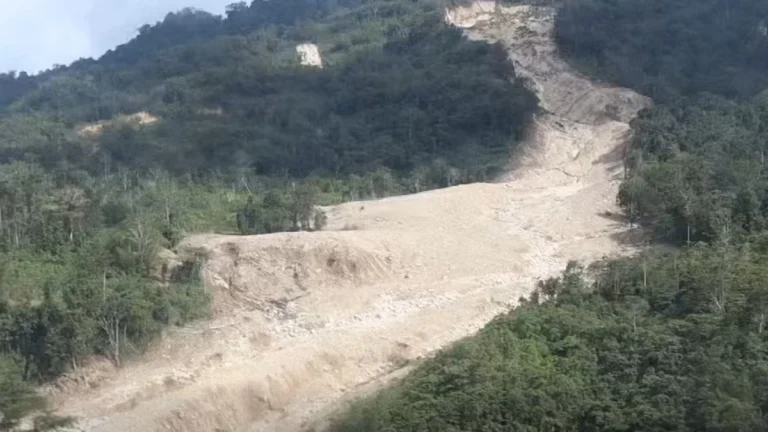
• Remote Papua New Guinea landslide kills 10 after days of heavy rain and flooding brought by Cyclone Maila

    A landslide in the remote Lamarain area of Gazelle District, East New Britain Province, Papua New Guinea, killed 10 people after prolonged heavy rain linked to Tropical Cyclone Maila. Local community accounts said the victims had been sheltering in makeshift garden houses after flooding cut off access between their village and gardens.

  • Tropical Cyclone Maila triggers deadly landslides and severe flooding in Bougainville and eastern Papua New Guinea

    Tropical Cyclone Maila left at least 11 people dead in Bougainville and eastern Papua New Guinea by April 13, 2026, after days of heavy rain, landslides, flooding, and coastal impacts. Eight people were killed when a landslide buried a house in Asiko Village in Central Bougainville, the deadliest single incident reported during the storm.

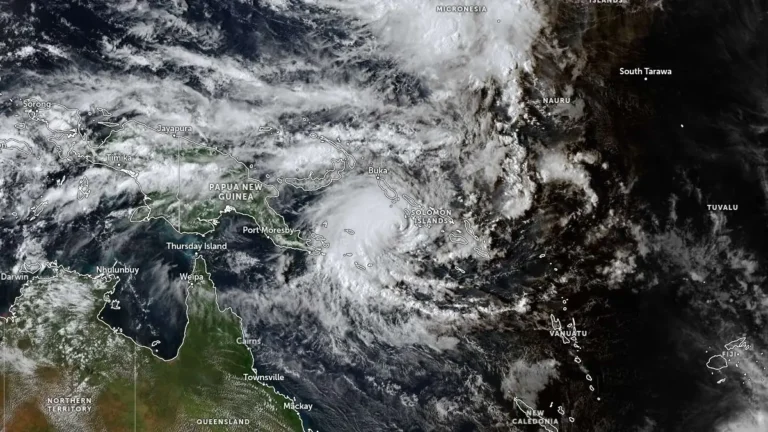
  • Severe Tropical Cyclone Maila tracks toward Papua New Guinea and Queensland, Australia

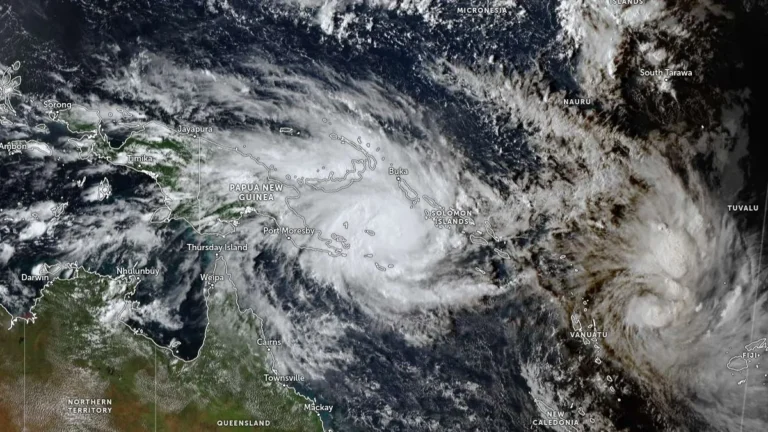
    Severe Tropical Cyclone Maila remained over the Solomon Sea at 06:00 UTC on April 8, 2026, with sustained winds of 165 km/h (103 mph) and a central pressure of 941 hPa, while beginning a gradual weakening trend after recent rapid intensification. The system is moving slowly northward at 6 km/h (3.7 mph) and is forecast to track west to southwest toward southeastern Papua New Guinea before entering the Coral Sea later this week.

  • Rapidly intensifying Tropical Cyclone Maila stalls in the Solomon Sea

    A rapidly intensifying Tropical Cyclone Maila remained nearly stationary in the Solomon Sea on April 5, 2026, as competing atmospheric ridges limited its movement. Forecasts indicate continued strengthening in the short term, followed by potential weakening due to ocean cooling. The system may move closer to the north Queensland coast later in the week.

  • Tropical Cyclone Koji brings severe flooding across north and central Queensland, Australia

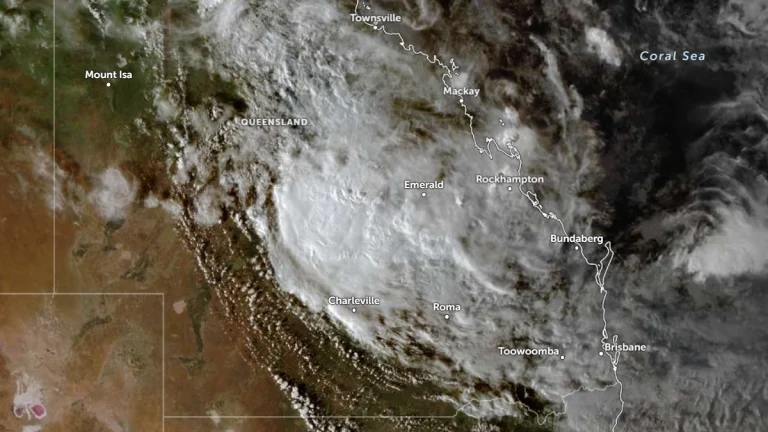
    Tropical Cyclone Koji brought torrential rainfall and widespread flooding to north and central Queensland on January 12, 2026, following its landfall near Ayr and Bowen a day before. Major flood warnings are in effect for multiple river systems, with rainfall totals of up to 600 mm (24 inches) in some areas, while thousands of customers remain without power. Emergency crews have conducted rescues and evacuations as the system moves inland, continuing to produce heavy rain and thunderstorms.