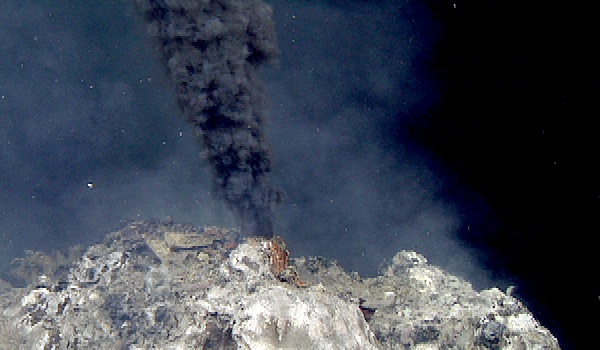
• New deep-sea hydrothermal vents discovered in Gulf of California

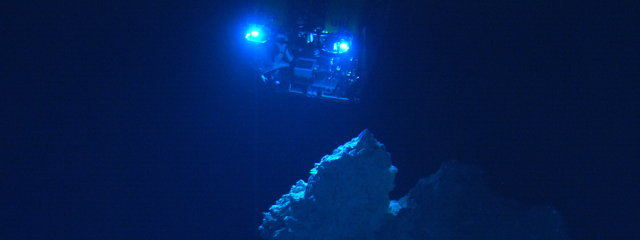
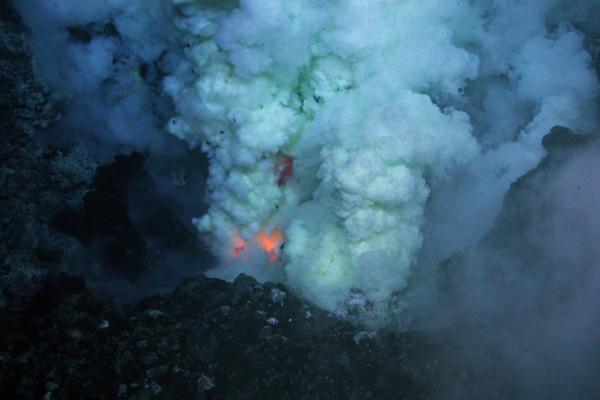
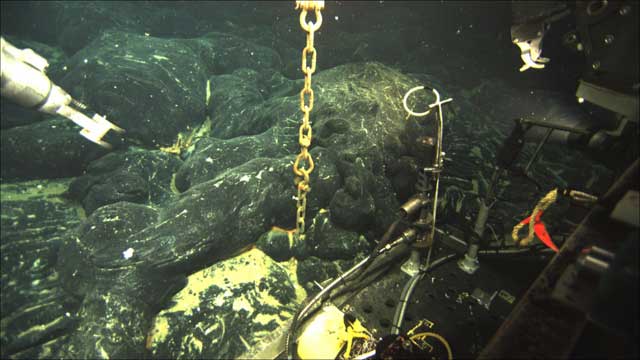
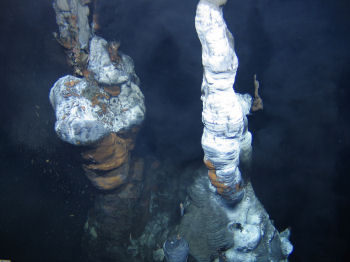
    Scientists have uncovered clusters of volcanic vents towering above the seafloor in a region of deep-sea off the coast of Mexico. The so-called “black smoker” vents lie about 7,400 meters (7,900 feet) deep with chimneys reaching 23 meters (75 feet). These
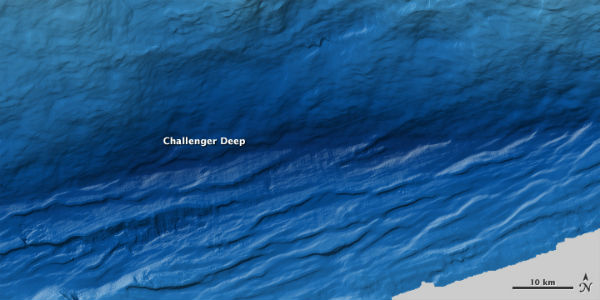
  • Mariana Trench mapped – New view of the deepest trench

    Scientists have a new map of the deepest trench in the world’s deepest ocean. Researchers at the Center for Coastal and Ocean Mapping/Joint Hydrographic Center at the University of New Hampshire (UNH) have pierced the lightless depths of the western Pacific…

  • Two sunken islands discovered near Australia

    In the remote waters of the Indian Ocean, west of Perth, scientists have just discovered two sunken islands, almost the size of Tasmania, which were once part of the supercontinent Gondwana. The islands were found during a three-week voyage to map the seafloor of…

  • Cold snap triggered massive coral die-off

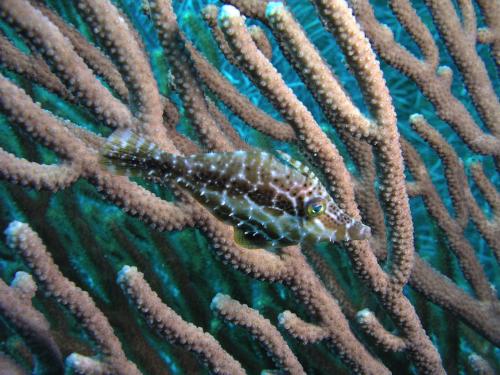
    While warming seas are a leading cause in the decline of the world’s coral reefs, U.S. researchers have discovered cold temperatures can be just as devastating.Scientists are the University of Georgia conducted a study of coral reefs in the Florida Keys following an

  • One of the world’s roughest stretches of water

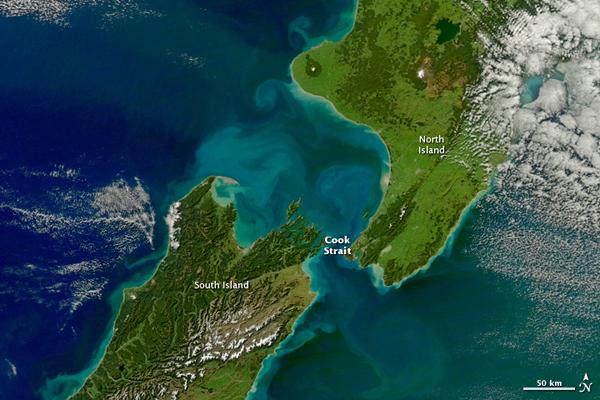
    Runoff from heavy rains, combined with wave action along the coast, increased the turbidity of New Zealand’s waters when this image was acquired on April 29, 2011, according to a NASA statement. The Moderate Resolution Imaging Spectroradiometer (MODIS) on

  • Deep seafloor could help scientists predict earthquakes

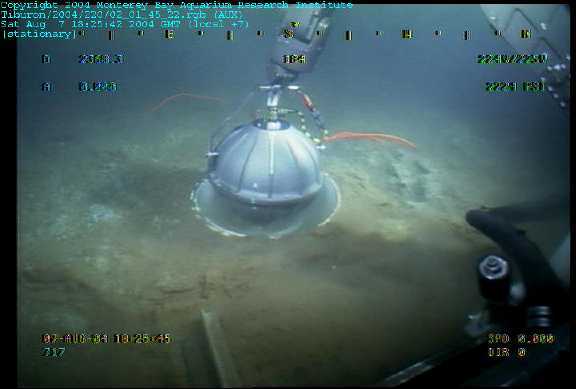
    Seismic monitoring and centuries of experience have given humankind a pretty good idea of what areas are prone to the devastation of earthquakes and tsunamis. But to truly prepare for huge temblors and accompanying tsunamis like the one that ravaged Japan in March, we