• Freeze Warnings and Watches issued across parts of Texas, Oklahoma, Arkansas, Louisiana, Mississippi, Alabama, Missouri, and Tennessee

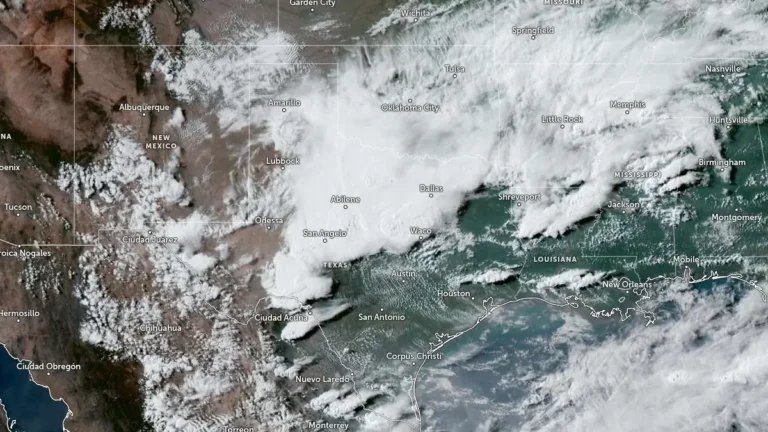
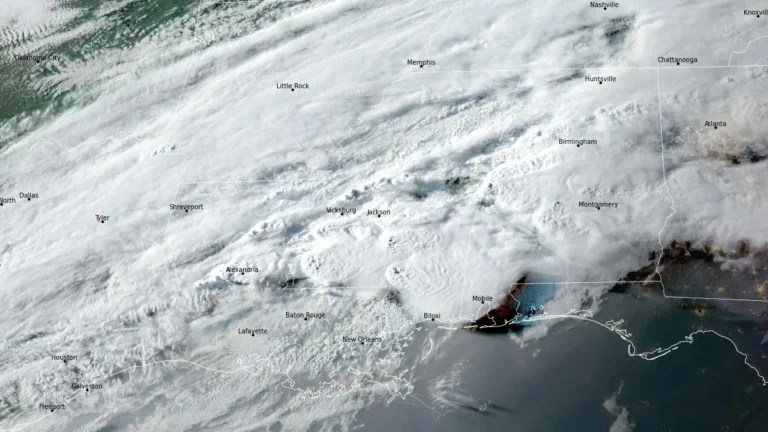
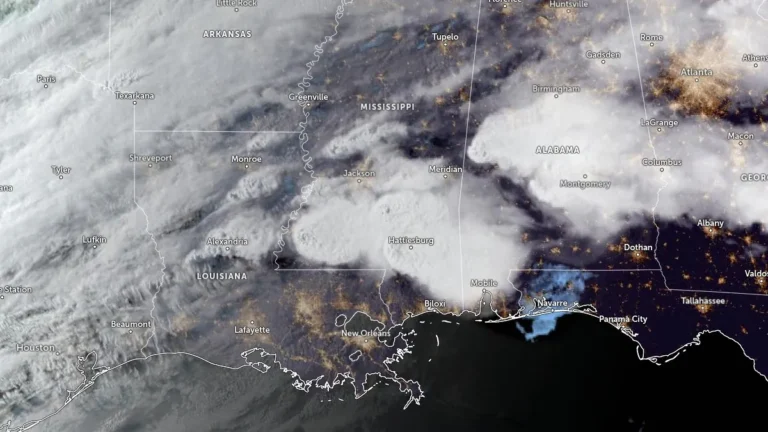
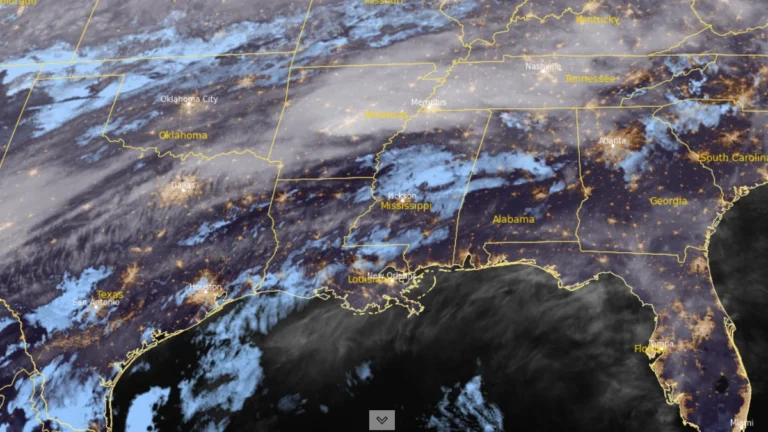
    Freeze Warnings and Watches have been issued for parts of eight southern U.S. states as sub-freezing temperatures are forecast from March 16 into March 17, 2026. Temperatures could fall as low as −12°C (10°F) in the coldest parts of Arkansas, while many other areas are expected to bottom out in the −7°C to −2°C (19 to 28°F) range. Frost, freeze conditions, and gusty post-frontal winds may damage sensitive vegetation and, in the coldest areas, affect exposed outdoor plumbing.

  • Blizzard Warnings issued for parts of South Dakota and Minnesota as heavy snow and strong winds threaten whiteout conditions

    Blizzard Warnings are in effect for parts of South Dakota and southwest Minnesota beginning late Saturday, March 14, 2026, as a major winter storm is forecast to bring heavy snow, blowing snow, ice in some areas, and wind gusts up to 80 to 90 km/h (50 to 55 mph). Forecasters warn that whiteout conditions could make travel extremely dangerous or impossible from Saturday night into Sunday, with some warning areas remaining under blizzard conditions into early Monday.

  • Kona low prompts statewide closures as severe weather threat intensifies across Hawaii

    A powerful Kona low on Friday, March 13, 2026, bringing widespread severe weather across the islands. The National Weather Service issued a Winter Storm Warning for the Big Island summits, where heavy snow and ice are forecast above 3 350 m (11 000 feet). Forecasters warned that persistent rainfall bands and severe thunderstorms could trigger flash flooding while damaging wind gusts affect multiple islands.

  • Major mid-March blizzard forecast to bring potentially record snowfall to parts of the Upper Midwest and Great Lakes

    A major winter storm is forecast to develop over Wyoming on Saturday, March 14, 2026, before expanding into the northern Plains and Upper Midwest by Sunday, March 15, and reaching the Great Lakes by Monday, March 16. WPC said embedded snow bands could produce snowfall rates of 2.5–7.6 cm (1–3 inches) per hour, with blizzard or near-blizzard conditions possible as wind gusts reach about 80 km/h (50 mph), and parts of the core snow band could receive more than 60 cm (24 inches) of snow.

  • Landslides kill at least 102 people in Gamo Zone, Ethiopia

    Rain-triggered landslides in Gamo Zone, southern Ethiopia, killed at least 52 people earlier this week, with officials saying on March 12, 2026 that dozens of others were still missing. Authorities said rescue teams were continuing the search for missing people as the risk of additional slope failures remained elevated.

  • Long-duration atmospheric river impacts Washington and Oregon with heavy rain, snow and flood risk, U.S.

    An atmospheric river made landfall in the Pacific Northwest during the morning of March 11, 2026, bringing heavy rain and snow across portions of Washington and Oregon. Forecasts show that the event will continue affecting the region through early March 14, producing significant precipitation totals, flooding concerns, and major winter weather impacts in mountainous terrain.

  • Powerful Kona low prompts emergency proclamations as Hawaii faces multi-day flood and severe storm threat

    A powerful Kona low is bringing a multi-day flood and severe weather threat to Hawaii on Wednesday, March 11, 2026, with the most dangerous conditions forecast for Friday into Saturday. The National Weather Service says the storm could produce flash flooding, damaging winds, and strong to severe thunderstorms across the island chain, while Governor Josh Green has issued two emergency proclamations tied to the event.

  • Destructive tornado damages homes in Kankakee County, Illinois, leaving thousands without power

    A destructive tornado struck Kankakee County, Illinois, during severe storms on March 10, 2026, causing significant structural damage and leaving more than 7 000 customers without power. The tornado tracked through the southwest portion of Kankakee and crossed into northwestern Indiana near Lake Village, damaging homes and infrastructure.

  • Kīlauea eruption sends ash plume to 9 km (30 000 feet), disrupts flights near Hilo, Hawaii

    Episode 43 of the ongoing eruption at Kīlauea began at about 09:17 LT on March 10, 2026, producing lava fountains exceeding 400 m (1 300 feet) from vents inside Halemaʻumaʻu crater, according to the USGS Hawaiian Volcano Observatory (HVO). Tephra fallout forced the closure of part of Highway 11 and disrupted flights at Hilo International Airport as an ash plume rose to about 9 km (30 000 feet) above sea level.