• Meteorite damages homes in Koblenz, Germany after bright fireball

    A bright fireball crossed the sky over western Europe at 17:55 UTC (18:55 local time) on March 8, 2026, producing meteorites that struck residential buildings in Koblenz, Rhineland-Palatinate, Germany. Several fragments penetrated roofs in the city’s Güls district and damaged houses, while meteorites were recovered shortly after the event. No injuries were reported.

  • 8 dead in Michigan and Oklahoma as over 25 tornadoes hit central United States

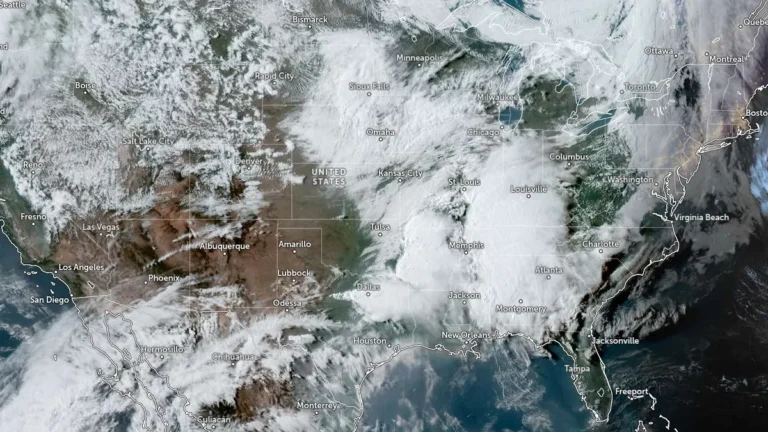
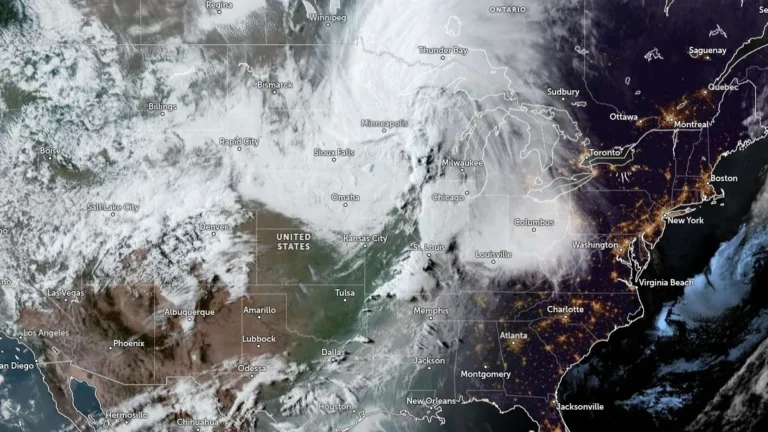
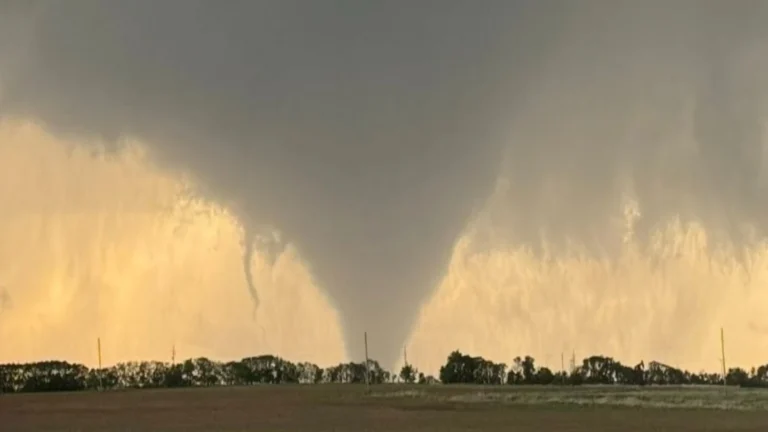
    At least eight fatalities have been confirmed in parts of Michigan and Oklahoma as a severe weather outbreak spawned dozens of tornadoes across five states between March 5 and 6, 2026. Four fatalities were reported in Michigan and four were reported in Oklahoma, while injuries and widespread destruction were reported across the affected regions.

  • Two dead after tornado strikes near Fairview, Oklahoma

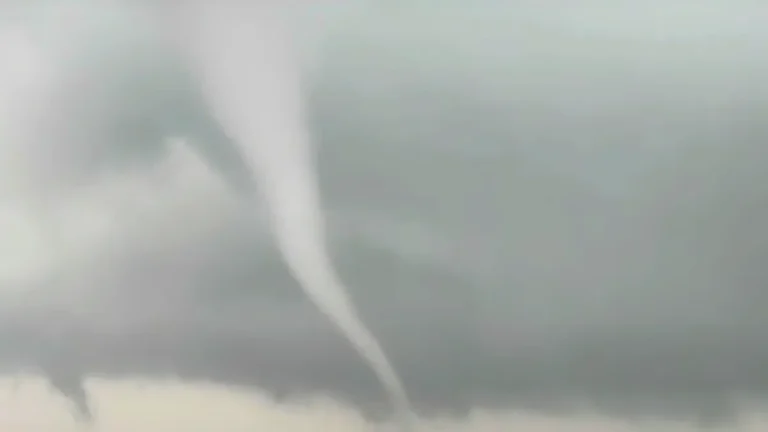
    A mother and daughter were killed near Fairview, Oklahoma, after a tornado struck their vehicle near state highways 60 and 243 late on March 5, 2026, according to the Major County Sheriff’s Office. The fatalities were confirmed on March 6.

  • Multiple tornadoes reported across Kansas, Oklahoma, and Texas as severe storms impact southern Plains

    Multiple tornadoes were reported across parts of Kansas, Oklahoma, and Texas on March 5, 2026, as severe thunderstorms moved across the southern Plains. The Storm Prediction Center (SPC) received at least seven tornado reports during the event, with storms causing localized damage and leaving more than 11 000 customers without power as of March 6, according to PowerOutage.US.

  • SPC issues Enhanced Risk for severe storms with large hail and tornado potential across Texas-Oklahoma-Kansas

    Severe thunderstorms capable of producing very large hail, damaging winds, and a few tornadoes are forecast to develop across the Texas Panhandle, western Oklahoma, and southern Kansas late on March 5, 2026. The National Weather Service (NWS) Storm Prediction Center (SPC) has issued an Enhanced Risk for the region as atmospheric conditions become favorable for supercell development along a dryline during the late afternoon and evening.

  • Large marine heatwave persists off the U.S. West Coast since summer 2025

    A large marine heatwave has persisted along the U.S. West Coast since summer 2025, raising sea surface temperatures about 1.7–2.2°C (3–4°F) above average across parts of the Northeast Pacific. In a report published March 3, 2026, the National Oceanic and Atmospheric Administration (NOAA) Fisheries said this is only the third time in the observational record for the California Current ecosystem that such a large portion of coastal waters has remained anomalously warm for so long into winter without El Niño conditions.

  • Live watch: Blood moon total lunar eclipse of March 3, 2026

    A blood moon total lunar eclipse occurring on March 3, 2026, will peak at 10:57 UTC, after the Moon enters totality at 10:29 UTC and remains fully immersed in Earth’s shadow for approximately 56 minutes. The event will be visible from much of Asia and Oceania, with live streams providing real-time views as totality unfolds.

  • Winter weather impacts Appalachians and Mid-Atlantic while severe storm risk expands across parts of Oklahoma and Kansas

    A lifting frontal boundary draped from the southern Plains to the Mid-Atlantic is producing a swath of mixed winter precipitation across the Ohio and Tennessee Valleys on March 2, 2026, while setting the stage for isolated severe thunderstorms in Oklahoma and Kansas on March 3. Winter weather advisories are in effect from Indiana to Pennsylvania, with ice accretion possible across the higher terrain of the Appalachians, according to the Weather Prediction Center.

  • Polar vortex split to impact Northern Hemisphere weather in March 2026

    Another warming of the Arctic stratosphere is now underway, with the polar vortex forecast to undergo a final split in March 2026. The zonal mean wind reversal around 60°N and 10 hPa is expected between February 28 and March 1, with its impacts propagating into the troposphere, likely shifting weather patterns over Europe and North America.