• Cyclone Vaianu brings destructive winds, heavy rain and widespread disruption to New Zealand’s North Island

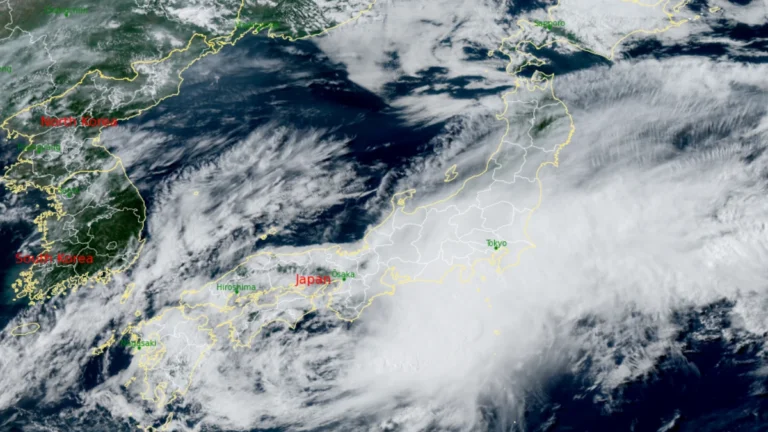
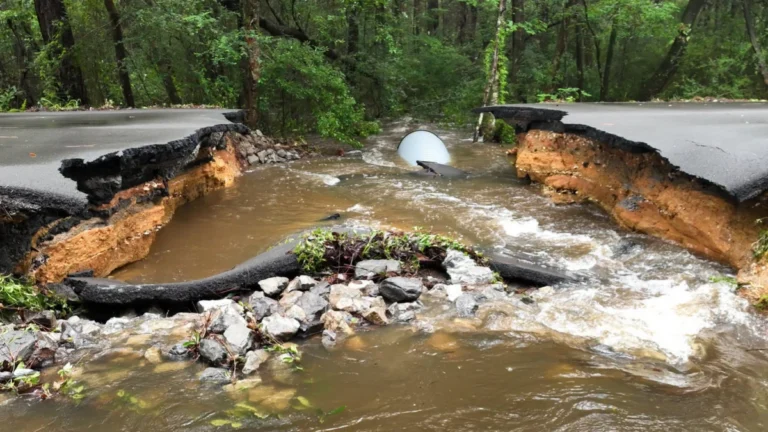
    Cyclone Vaianu crossed New Zealand’s North Island on Sunday, April 12, 2026, bringing damaging winds, torrential rain, and large swells that caused flooding, evacuations, power outages, and transport disruption across several districts. The storm made landfall near the Māketū Peninsula in Bay of Plenty shortly after 14:00 LT on Sunday before tracking southeast and moving offshore later that evening. Cleanup continued on Monday as authorities assessed slips, flood damage and coastal impacts.

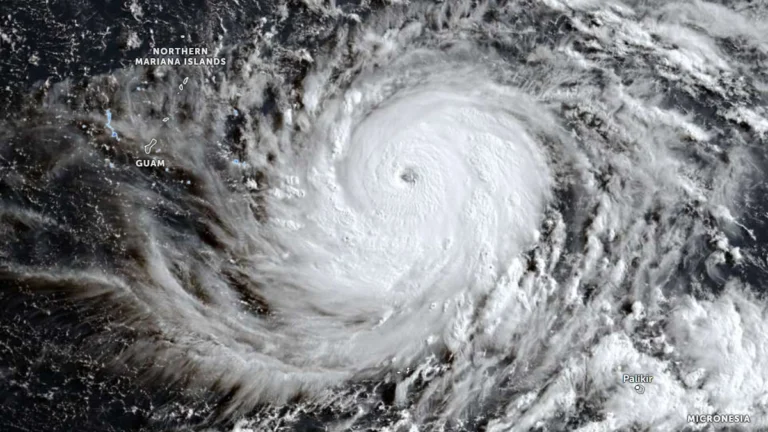
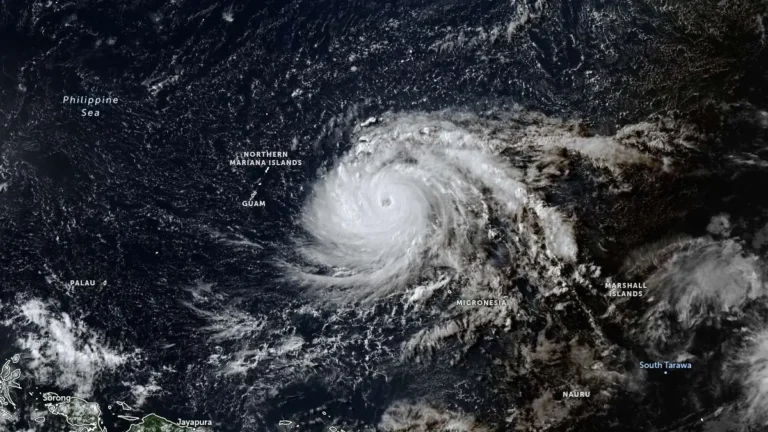
  • Typhoon Sinlaku forecast to reach super typhoon strength before nearing the Marianas, Typhoon Warnings issued for Rota, Tinian and Saipan

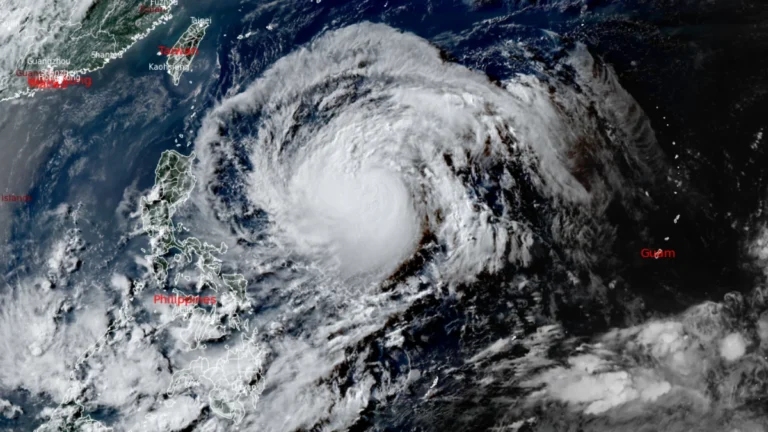
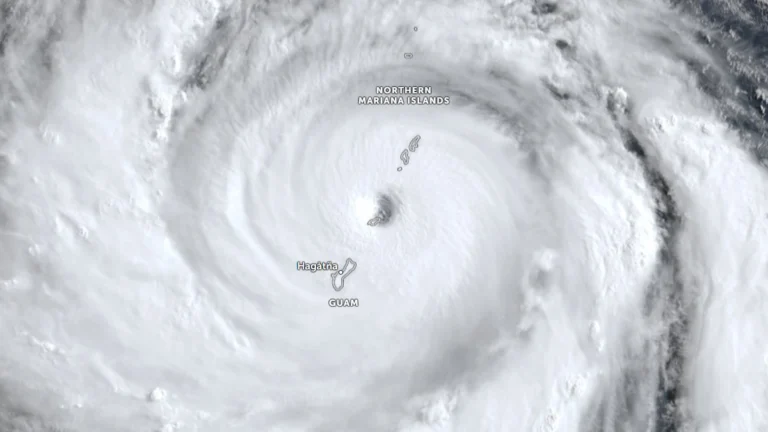
    Typhoon Sinlaku intensified into a dangerous major typhoon over the western Pacific on April 12, 2026, as officials issued typhoon warnings for Rota, Tinian and Saipan, and a tropical storm warning for Guam. The storm was forecast to strengthen further on April 13, reaching super typhoon strength, before nearing the Marianas, where destructive winds, coastal inundation, and flash flooding are possible from late April 13 into April 14.

  • Red wind warning and widespread severe weather alerts issued as Cyclone Vaianu approaches North Island, New Zealand

    Cyclone Vaianu is forecast to move south across New Zealand’s North Island on Sunday, April 12, 2026, bringing a multi-hazard threat, including damaging winds up to 140 km/h (87 mph), heavy rainfall, and coastal inundation risk. A Red Strong Wind Warning is in force for the Coromandel Peninsula and Great Barrier Island, with widespread Orange warnings and watches covering much of the North Island and upper South Island. Significant disruption to transport, power supply, and communities is expected.

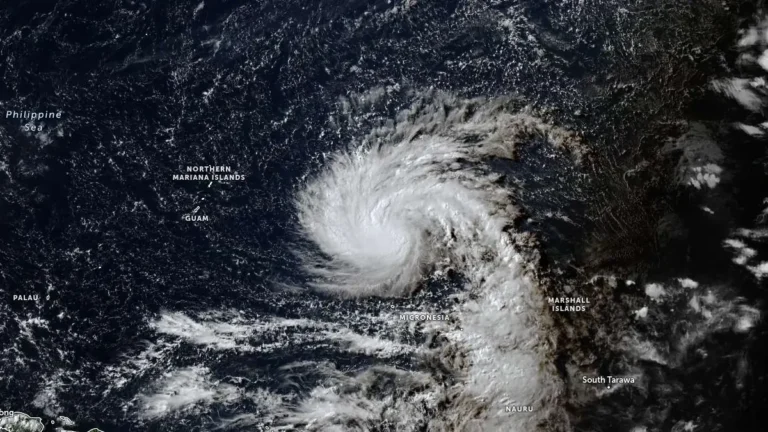
  • Tropical Storm Sinlaku strengthens, rapid intensification forecast as it tracks toward Guam

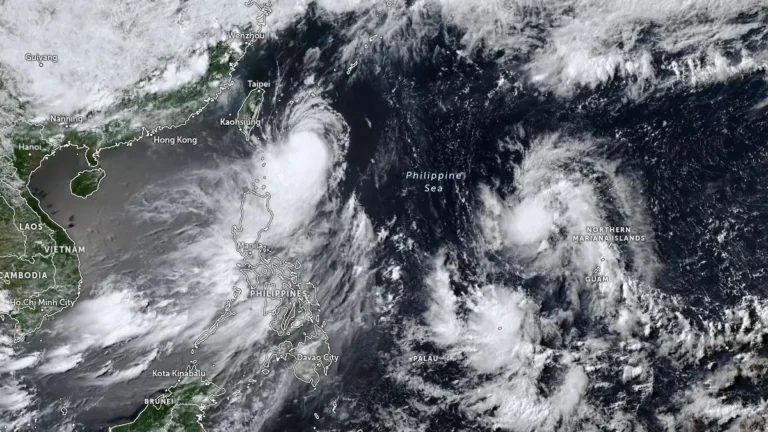
    Tropical Storm Sinlaku formed on April 9, 2026, in the western Pacific and strengthened to 102 km/h (63 mph) by 15:00 UTC on April 10, approximately 904 km (562 miles) southeast of Andersen Air Force Base, Guam. The system is becoming more organized and is forecast to undergo rapid intensification while tracking toward the Mariana Islands, with a potentially dangerous passage near or over Guam.

  • Tropical Cyclone Vaianu expected to bring damaging winds and heavy rain to New Zealand this weekend

    Severe Tropical Cyclone Vaianu was located south of Fiji on April 8, 2026, producing localized flooding while weakening under strong wind shear. The system is forecast to transition into an extra-tropical system before moving toward New Zealand, where damaging winds, heavy rain, and hazardous coastal conditions are expected during the weekend of April 11-12.

  • Severe Tropical Cyclone Maila tracks toward Papua New Guinea and Queensland, Australia

    Severe Tropical Cyclone Maila remained over the Solomon Sea at 06:00 UTC on April 8, 2026, with sustained winds of 165 km/h (103 mph) and a central pressure of 941 hPa, while beginning a gradual weakening trend after recent rapid intensification. The system is moving slowly northward at 6 km/h (3.7 mph) and is forecast to track west to southwest toward southeastern Papua New Guinea before entering the Coral Sea later this week.

  • Severe Tropical Cyclone Vaianu affecting Fiji with heavy rain and flooding, forecast to move toward New Zealand

    Tropical Cyclone Vaianu reached Category 3 intensity near Fiji on April 7, 2026, generating heavy rainfall exceeding 140 mm (5.5 inches), flooding in low-lying areas, and strong winds. Authorities have issued multiple warnings across Fiji, including for flooding and dangerous marine conditions. The system is tracking southeast toward New Zealand, where severe weather impacts are forecast later this week.

  • Rapidly intensifying Tropical Cyclone Maila stalls in the Solomon Sea

    A rapidly intensifying Tropical Cyclone Maila remained nearly stationary in the Solomon Sea on April 5, 2026, as competing atmospheric ridges limited its movement. Forecasts indicate continued strengthening in the short term, followed by potential weakening due to ocean cooling. The system may move closer to the north Queensland coast later in the week.