
Strong explosive eruption at Etna volcano, Italy
A strong explosive eruption started at Etna volcano just before 11:00 UTC on November 10, 2024. Direct observations of the eruption were prevented due to dense meteorological cloud cover, however, notable ashfall was reported east and southeast of the volcano.
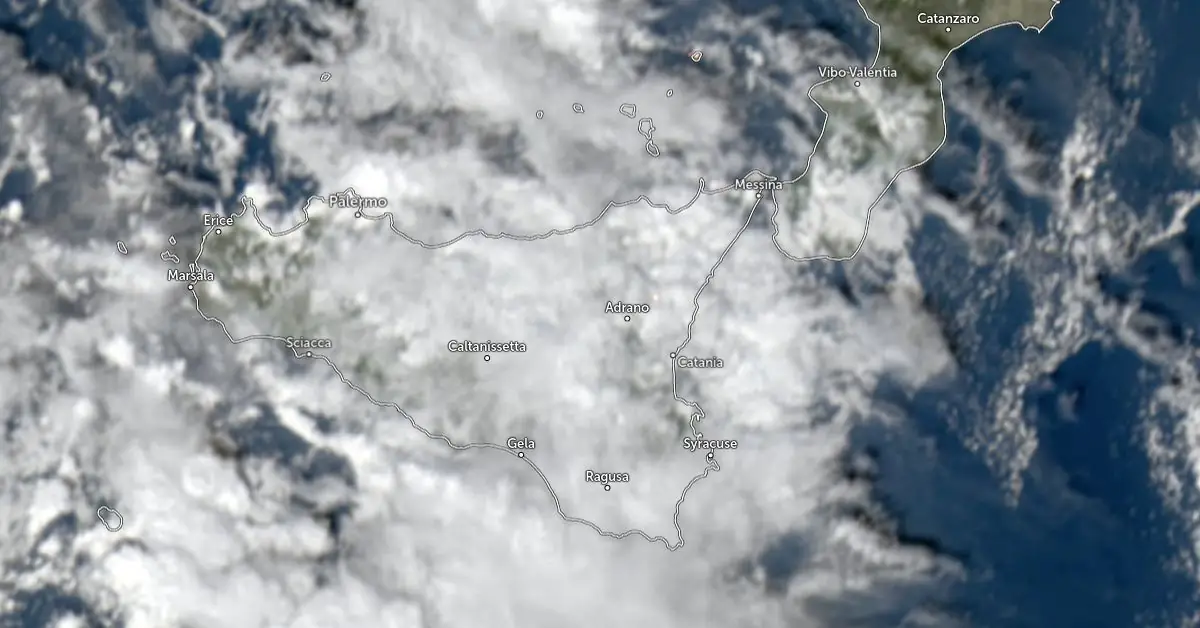
Image credit: EUMETSAT/Meteosat, Zoom Earth, The Watchers. Acquired at 12:40 UTC on November 10, 2024
Activity at Italy’s Mount Etna started increasing around 10:00 UTC on November 10 and rapidly progressed into strong explosive activity at 10:46 UTC.
Dense meteorological clouds prevented direct observations but the eruption was registered at seismometers, showing values similar to previous paroxysmal events, and volcanic ash cloud was observed on satellite imagery. As a result, Etna Volcano Observatory increased the Aviation Color Code from Yellow to Orange.
Strong explosive activity with an estimated top of volcanic ash cloud reaching about 6 km (20 000 feet) above sea level (a.s.l.) and moving southeast was reported at 11:06 UTC and the Aviation Color Code was raised to Red.
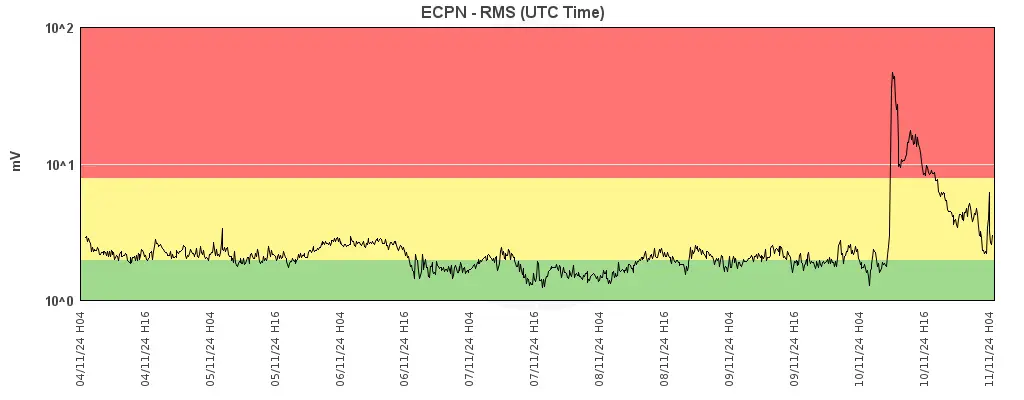

At 15:00 UTC, the Toulouse VAAC reported that explosive activity at the volcano continues, with cloud, mainly composed of SO2 and some ash, drifting southeastward.
The activity started decreasing by 18:00 UTC but the Aviation Color Code remained at Red.
The latest Volcanic Ash Advisory, issued by the Toulouse VAAC at 03:01 UTC on November 11, reported potential residual ash near the volcano, with no volcanic ash visible in satellite imagery.
This activity was likely linked to activity at the Bocca Nuova Crater, according to INGV volcanologist Boris Behncke.
Ashfall was observed in communities east and southeast of the volcano.
As a precaution, sector A3 of Catania Airport was temporarily closed, though air traffic remained unaffected.
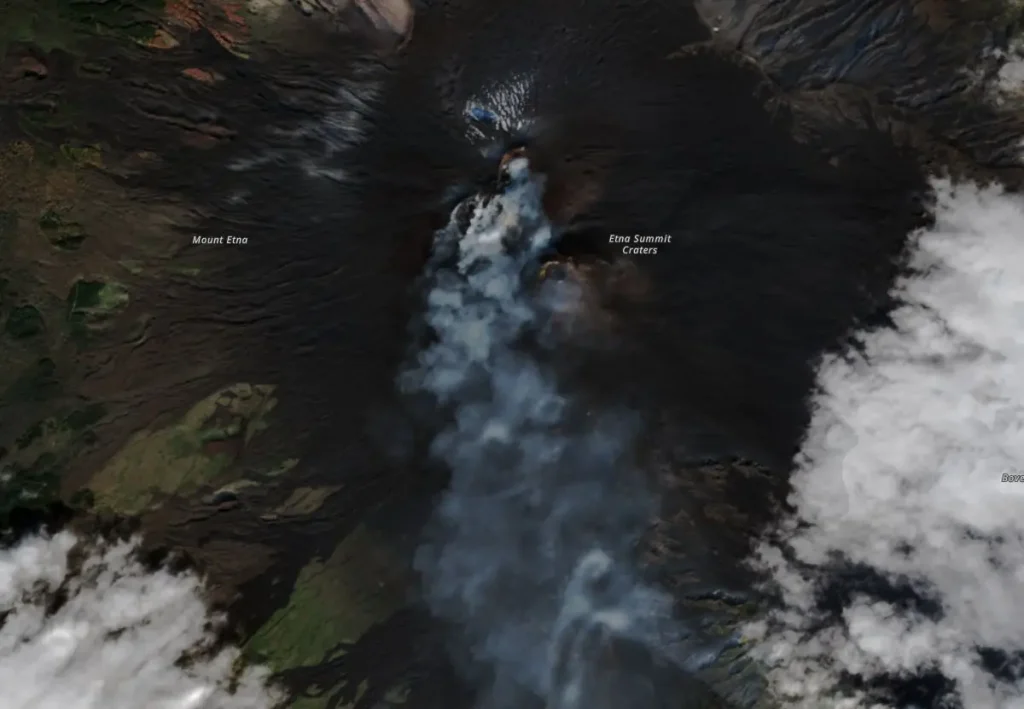
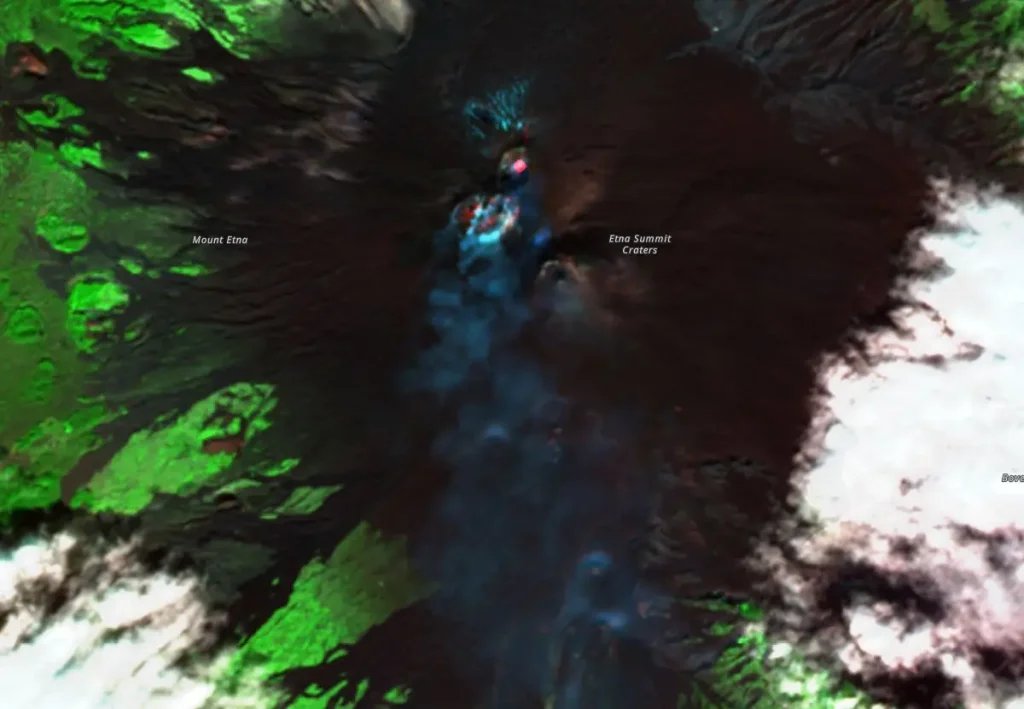
Activity at the volcano from October 14 – 20 was characterized by continuous intra-crater explosive activity at NE Crater, with mild and sporadic ash emissions from SE Crater, and degassing activity from the summit craters, based on webcam images.
The last paroxysmal event (lava fountaining) at the volcano took place on August 15, 2024, with lava overflowing the western rim of the Bocca Nuova Crater.
Ash from this eruption rose as high as 9.5 km (31 200 feet) a.s.l. and drifter SSW and ESE while tephra fell in several areas including Belpasso, Pedara, Nicolosi, Ragalna, Mascalucia, Tremestieri Etneo, Gravina di Catania, Catania, Viagrande, Milo, Zafferana, Santa Tecla, Giarre, Santa Venerina Aci Bonaccorso, and Syracuse.
Catania Airport was closed due to ashfall on the runways, with flights either being canceled, rescheduled, or diverted to other airports.
References:
1 Volcano Observatory Notices for Aviation (VONA) – INGV-OE – November 10, 2024
2 Volcanic Ash Advisories for Etna volcano – Toulouse VAAC – November 10 and 11, 2024
3 Global Volcanism Program, 2024. Report on Etna (Italy) (Sennert, S, ed.). Weekly Volcanic Activity Report, 14 August-20 August 2024. Smithsonian Institution and US Geological Survey.

I'm a dedicated researcher, journalist, and editor at The Watchers. With over 20 years of experience in the media industry, I specialize in hard science news, focusing on extreme weather, seismic and volcanic activity, space weather, and astronomy, including near-Earth objects and planetary defense strategies. You can reach me at teo /at/ watchers.news.

Commenting rules and guidelines
We value the thoughts and opinions of our readers and welcome healthy discussions on our website. In order to maintain a respectful and positive community, we ask that all commenters follow these rules.