• Minnesota sets new air pollution record, Superior National Forest reports the worst wildfire conditions in 20 years

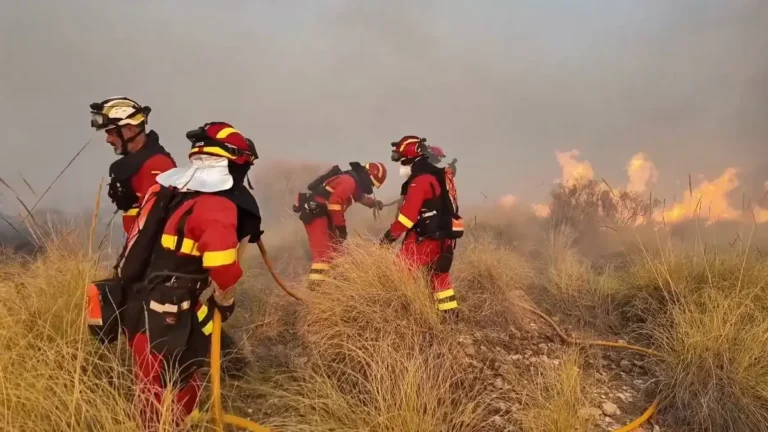
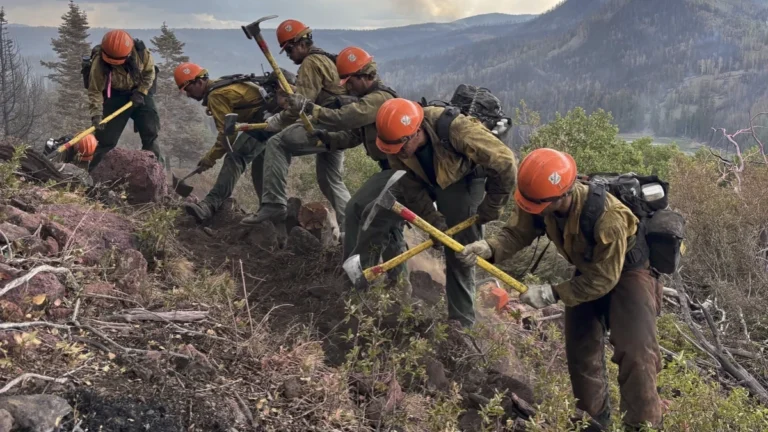
    Record-breaking wildfire smoke has reduced air quality across much of Minnesota, with pollution levels becoming so high that they exceeded the Minnesota Pollution Control Agency’s routine quality-control limits. The smoke is being generated from wildfires burning across Minnesota and parts of southern Canada. The Superior National Forest is experiencing the worst wildfire conditions in 20 years. Officials warn that hazardous smoke, extreme fire behavior, and additional wildfire growth are expected to continue as crews respond to 15 active fires across the Forest.
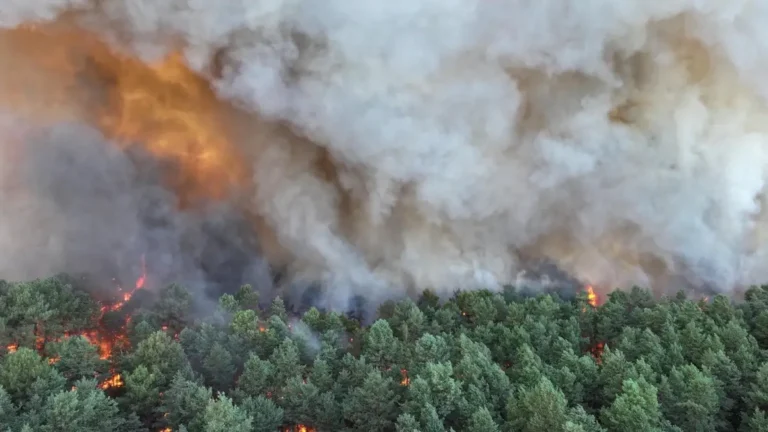
  • Aspen Acres Fire destroys 155 structures, three Colorado wildfires burn over 25 000 ha (62 000 acres)

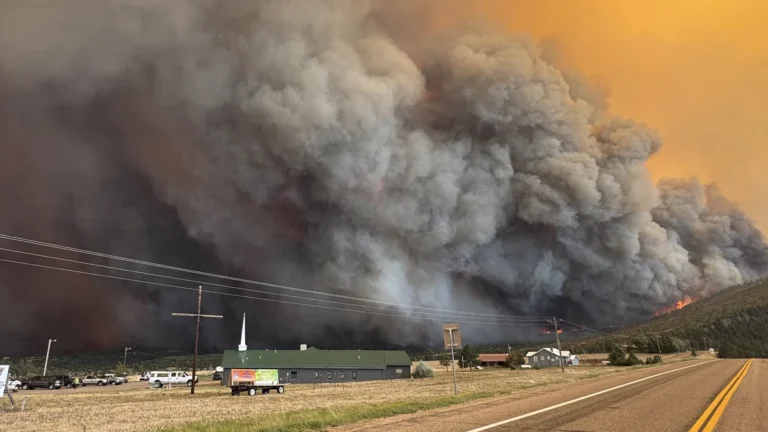
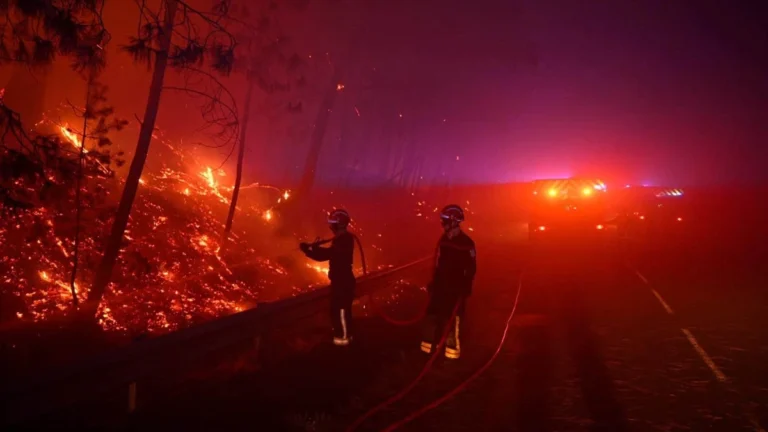
    The Aspen Acres Fire destroyed at least 155 structures in Pueblo and Custer counties. This fire, together with Ferris and Gold Mountain fires burned a combined 25 077 ha (61 969 acres) across Colorado by late June 30, 2026. Critical fire weather conditions are forecast to continue supporting rapid fire growth through at least July 3.

  • Out-of-control wildfires force evacuations in Wrigley and Fort Simpson, Northwest Territories, Canada

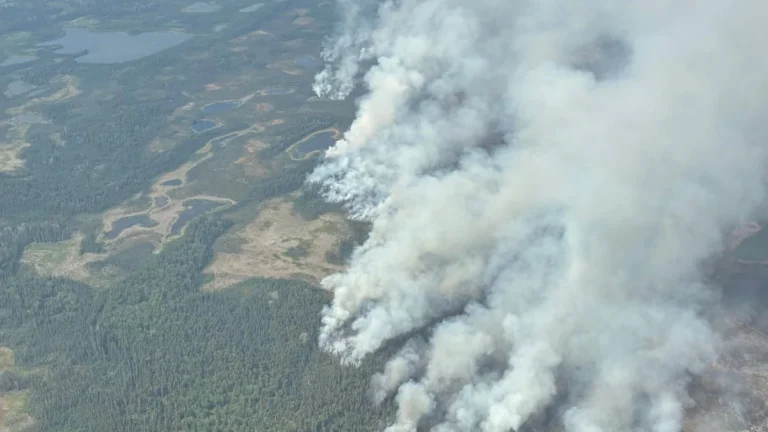
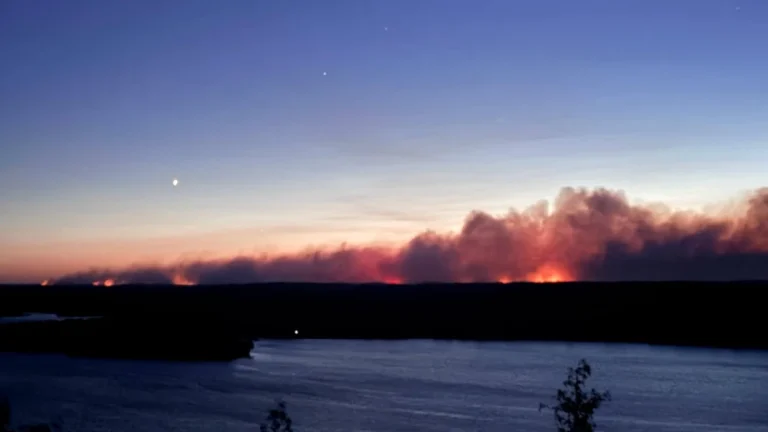
    Wildfires burning in Canada’s Northwest Territories prompted evacuation orders for the communities of Wrigley and Fort Simpson on June 28 and 29, 2026, as two lightning-caused fires remained out of control. The blaze threatening Fort Simpson had expanded to more than 8 900 ha (21 992 acres) by June 29, while more than 62 000 ha (153 209 acres) had burned across the territory.

  • State of Emergency declared in Utah as Cottonwood Fire grows to largest active wildfire in U.S.

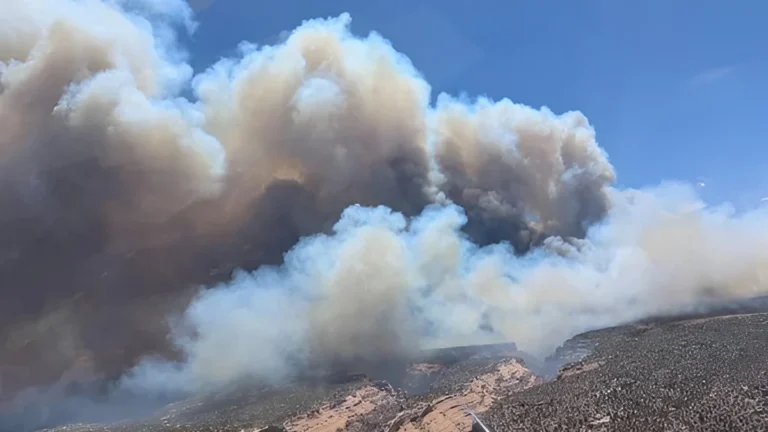
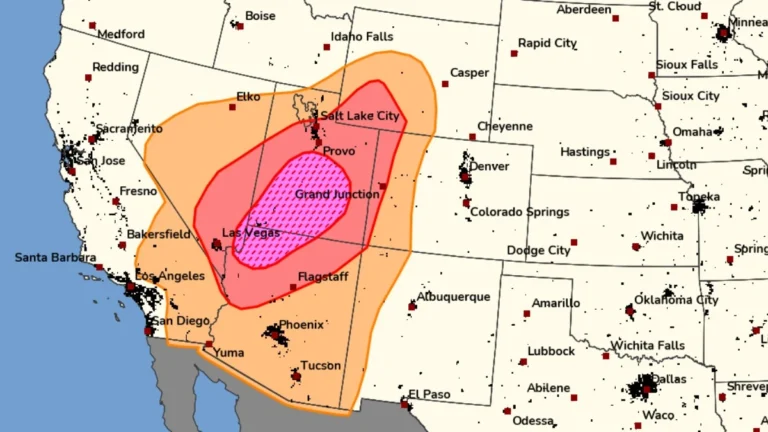
    Utah Governor Spencer Cox declared a State of Emergency and temporarily expanded the state forester’s authority to restrict fireworks through July 5, 2026, after the Cottonwood Fire grew into the largest active wildfire in the United States. The fire had burned about 29 000 ha (71 841 acres) in Beaver County and remained 0% contained as extreme fire weather fueled rapid growth across southern Utah on Friday, June 26.