The Weekly Volcanic Activity Report: January 1-7, 2026
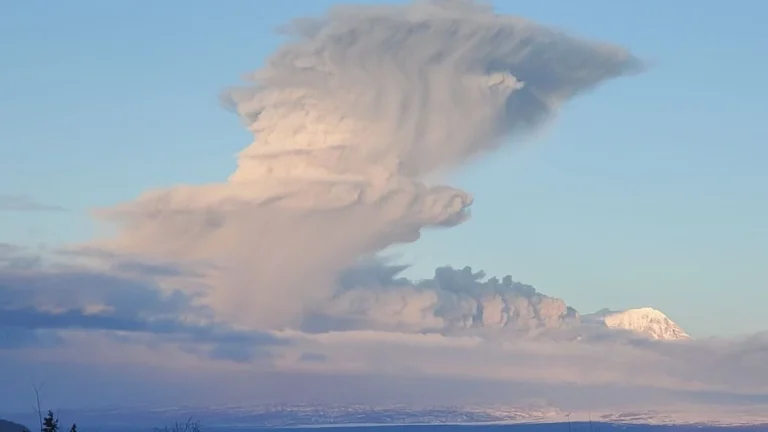
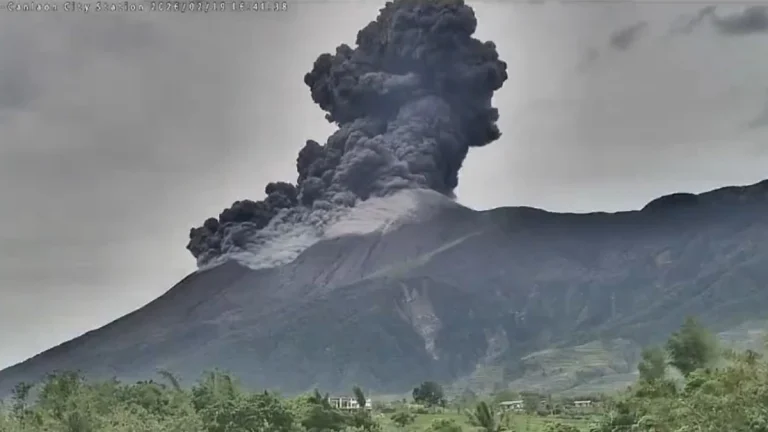
New activity/unrest was reported for 9 volcanoes from January 1 to 7, 2026. During the same period, ongoing activity was reported for 15 volcanoes.

New activity/unrest was reported for 9 volcanoes from January 1 to 7, 2026. During the same period, ongoing activity was reported for 15 volcanoes.

Nearly 3 000 residents have been evacuated from communities around Mayon volcano in Albay Province, Philippines, after the Philippine Institute of Volcanology and Seismology (PHIVOLCS) raised the alert status to Level 3 on January 6, 2026. The evacuation follows intensified dome collapse events, pyroclastic density currents, and ongoing effusive lava extrusion at the summit.

PHIVOLCS raised Mayon Volcano’s alert status to Level 3 on January 6, 2026, following intensified dome collapse events and effusive lava extrusion at the summit crater. The next day, Tokyo VAAC reported a brief ash emission to 2 700 m (9 000 feet), consistent with ongoing shallow magmatic activity.

Etna’s eruptive activity intensified rapidly between December 24 and 27, 2025, culminating in short-lived lava fountains about 200 m (650 feet) high and a new lava flow from the upper Voragine crater toward the Valle del Bove. INGV Etna Observatory (OE) raised the Aviation Color Code to Red on December 27 as tremor and infrasound amplitudes reached very high levels.

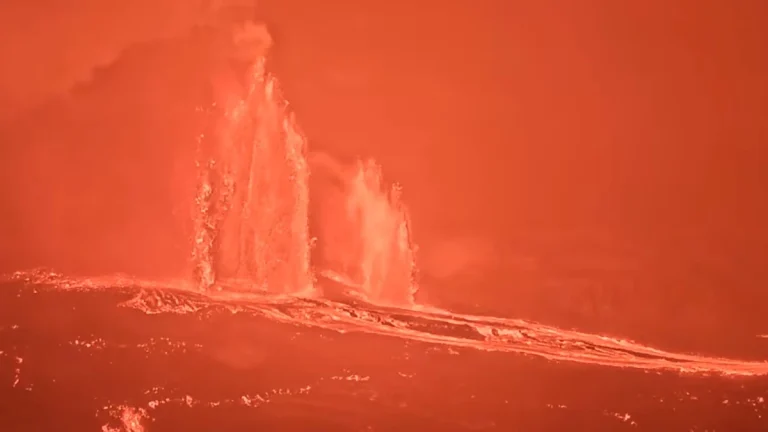
Kīlauea entered eruptive episode 39 at 20:10 HST on December 23, 2025 (06:10 UTC on December 24) as lava fountains rose from twin vents on the floor of Halemaʻumaʻu crater. Within about 95 minutes, fountain heights increased from 10 m (30 feet) to more than 420 m (1 400 feet), with lava flows covering 10–20% of the crater floor by 21:14 HST and a plume reaching 6 000 m (20 000 feet).

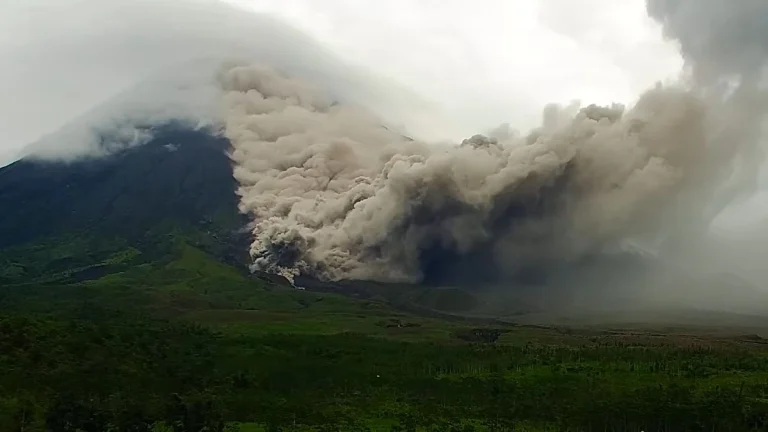
A large lahar triggered by heavy rains on Mount Semeru trapped a man in the Regoyo River in East Java, on Sunday, December 21, 2025.

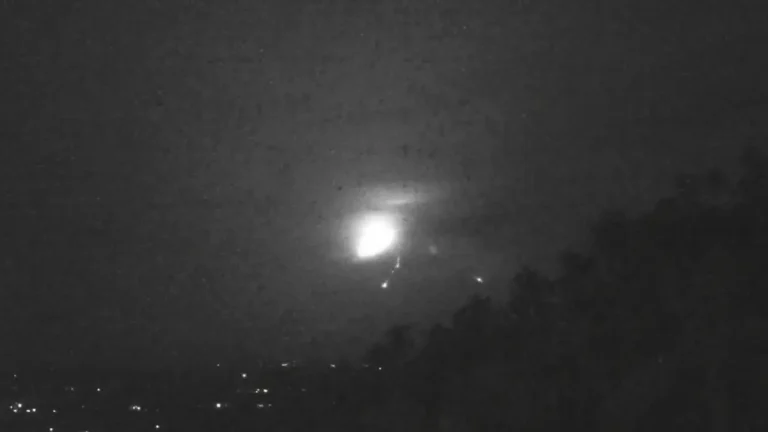
A powerful lava fountain from Kīlauea’s Halemaʻumaʻu crater, Hawaiʻi, destroyed the USGS Hawaiian Volcano Observatory’s V3 streaming camera at around 10:00 HST (20:00 UTC) on December 6, 2025. The camera was recording live when an inclined fountain from the south vent buried it in hot pumice and tephra during Episode 38 of the ongoing summit eruption.

Kīlauea’s Halemaʻumaʻu crater, Hawaiʻi, began erupting at 08:45 HST (18:45 UTC) on December 6, 2025, when fountains emerged from the north vent, marking the start of Episode 38 of the ongoing summit eruption. Within minutes, a south vent opened, and by 09:15 HST a rare triple-vent lava fountain was active, producing jets up to 370 m (1 200 ft) high and a 6 km (20 000 feet) plume above the summit. The eruption lasted 12.1 hours, covered more than half of Halemaʻumaʻu crater with new lava, destroyed the USGS V3 streaming camera, and ended abruptly at 20:52 HST on the same day (06:52 UTC on December 7).

Low-level eruptive activity resumed at Ambae volcano (Manaro Voui) in Vanuatu, with intermittent ash emissions observed since December 1, 2025. Satellite imagery from Himawari-9 confirmed continuous low-level ash and gas plumes reaching up to 1.8 km (6 000 feet) above sea level, drifting northwest. The Wellington Volcanic Ash Advisory Centre (VAAC) issued its latest advisory on December 4, describing the eruption as continuous but confined within the volcano’s summit area.

Volcanic activity at Puracé, Colombia, intensified on November 30, 2025, prompting authorities to raise the alert level to Orange for the Los Coconucos volcanic chain in Cauca Department on December 1. Since then, continuous tremor, long-period seismicity, and sustained gas-and-ash emissions have been recorded, with columns exceeding 700 m (2 300 feet) above the summit (4 650 m / 15 260 a.s.l.) and occasional ashfall reported in nearby communities.