• Episode 42 shows high-intensity magma discharge and dual-vent activity at Kīlauea volcano

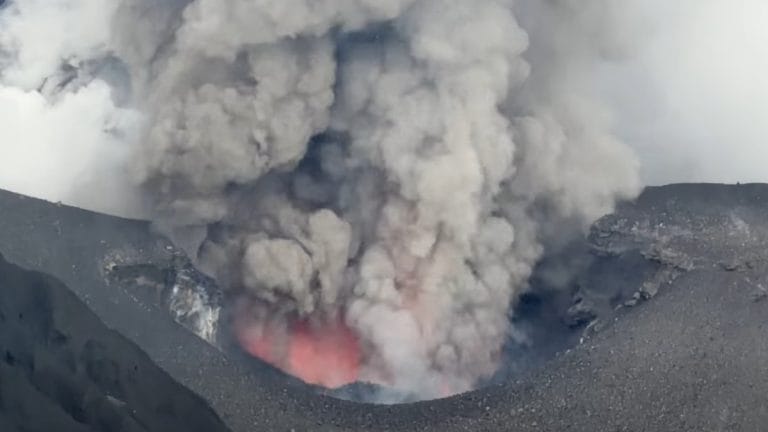
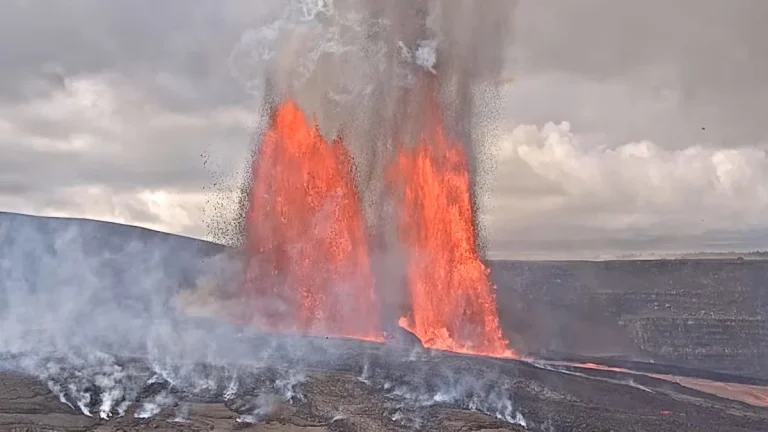
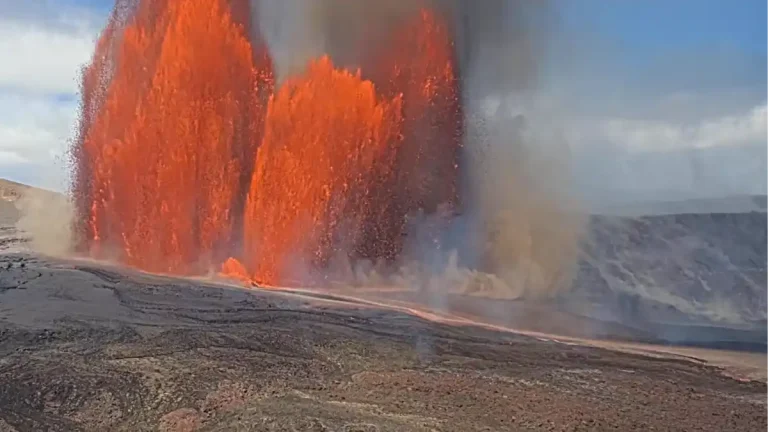
    Kīlauea volcano’s Halemaʻumaʻu crater produced one of its most intense eruptive episodes in months on February 15, 2026, when dual vents discharged lava at rates up to 780 m³/s (1 000 yd³/s) and fountains rose 400 m (1 300 feet) high before the activity paused at 23:38 HST. The episode released an estimated 11.4 million m³ (15 million yd³) of lava and covered about half of the crater floor.

  • Second eruption follows January unrest at Piton de la Fournaise, La Réunion

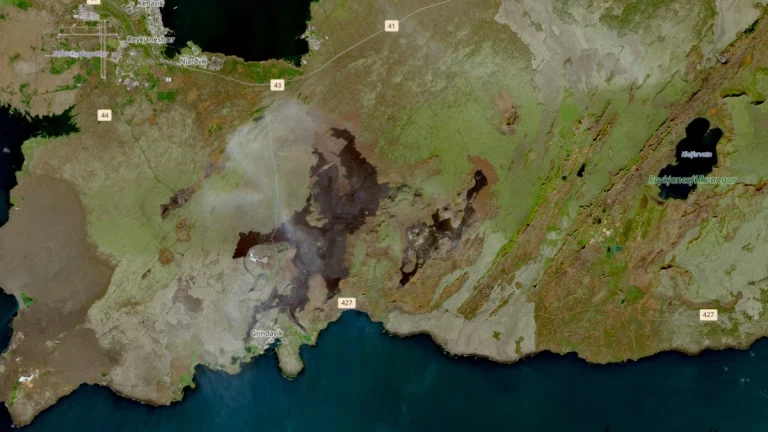
    A second effusive eruption began at Piton de la Fournaise, La Réunion, at 10:06 LT on February 13, 2026, after a new seismic crisis beneath the summit. The eruption is occurring on the south–south-east flank inside the Enclos Fouqué caldera, where fissures opened and lava flows are descending the Grandes Pentes. Authorities activated ORSEC Alert 2–1 and closed access to the caldera.

  • Effusive activity and ash to 7.3 km (24 000 feet) at Big Ben volcano, Heard Island, Indian Ocean

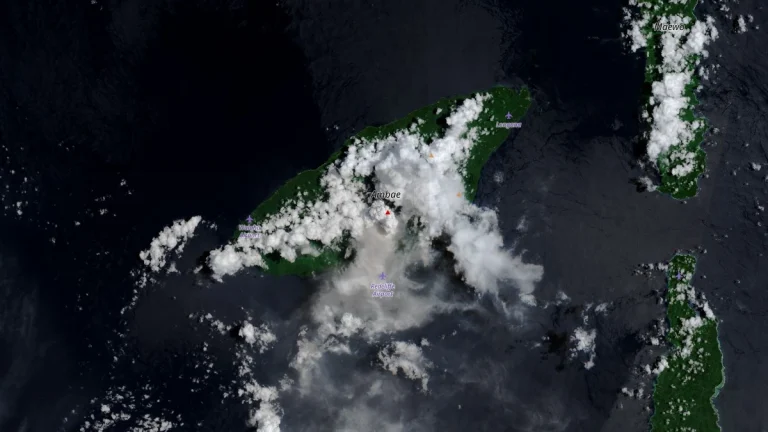
    Satellite observations show that Heard Island’s Big Ben volcano remains active, with lava flows detected through late January and February 2026. The Darwin VAAC reported that the ash plume from a brief eruption around 14:00 UTC on February 11 reached 7.3 km (24 000 feet) above sea level and fully dissipated by the following day.

  • Pyroclastic density currents from Mayon volcano reach 4 km (2.5 miles), Philippines

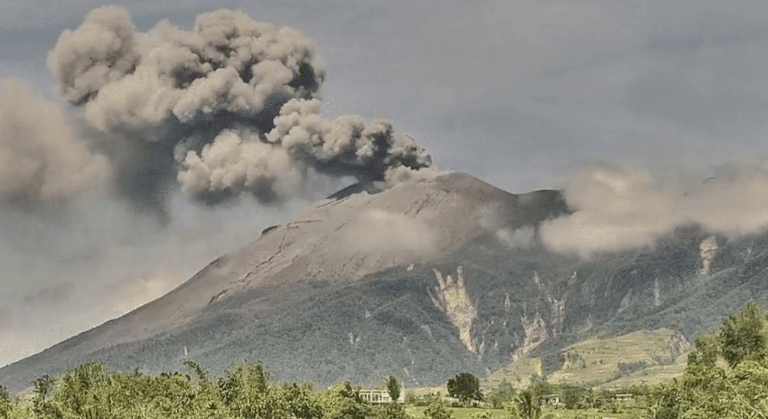
    A series of collapse-fed pyroclastic density currents descended the Mi-isi Gully at Mayon volcano, Philippines, on February 9, 2026, with the farthest runout reaching 4 km (2.5 miles) from the summit crater. The activity peaked between 10:35–11:37 local time (LT), culminating in a seven-minute event at 10:59 LT that generated ash clouds exceeding 2 km (about 6 560 feet) in height and causing ashfall across parts of Camalig and Guinobatan, Albay, during rainy conditions.

  • Hydrothermal unrest persists at El Chichón volcano, Mexico

    Hydrothermal unrest at El Chichón volcano in northern Chiapas, Mexico, has persisted since mid-2025, characterized by elevated seismicity, chemical-physical changes in the crater lake, and increased gas emissions. National and academic monitoring institutions report no evidence of magma ascent, and current conditions do not indicate an imminent eruption. The volcano remains at Yellow Alert.

  • Sheveluch eruption produces ash to 9 km (30 000 feet) a.s.l., possible light ashfall in nearby districts, Russia

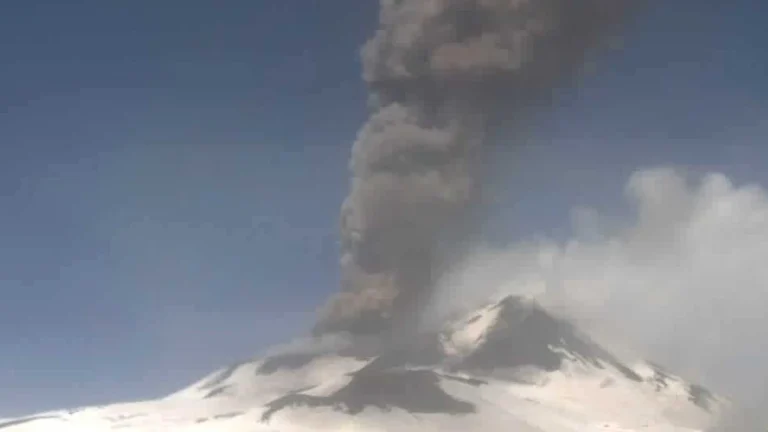
    An explosive pulse at Sheveluch volcano, Kamchatka, Russia, around 04:54 UTC on January 28, 2026, sent ash to about 9 km (30 000 feet) above sea level, with a plume drifting west over the Kamchatka Peninsula. Tokyo VAAC advisories through 12:00 UTC indicate continuing ash, with tops between 6 km (19 700 feet) and 7 km (23 000 feet) after the initial 9 km (30 000 feet) eruption.

  • Piton de la Fournaise enters new effusive phase inside Enclos Fouqué caldera, La Réunion

    Piton de la Fournaise volcano on La Réunion entered a new eruptive phase at 19:42 LT (16:42 UTC) on January 18, 2026, after a strong seismic crisis and rapid ground deformation. The eruption is effusive, producing lava flows from fissures on the northern flank inside the Enclos Fouqué caldera. This is the first eruption at Piton de la Fournaise since August 2023.

  • Pavlof volcano alert raised after rise in long-period earthquakes, Alaska

    A notable increase in seismic activity was detected at Pavlof volcano on the Alaska Peninsula on January 14, 2026, prompting the Alaska Volcano Observatory (AVO) to raise the alert level to Advisory and the Aviation Color Code to Yellow. No surface activity or eruptive changes were observed, and seismicity has since declined to background levels.