• Two killed in firefighting helicopter crash during Dome Fire response in California

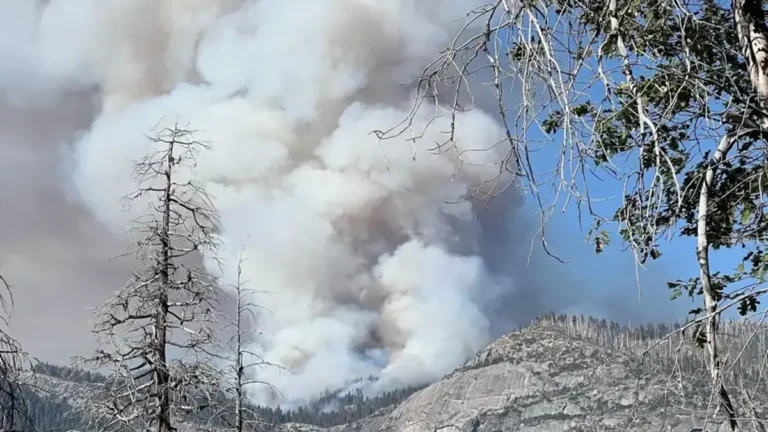
    Two people were killed when a firefighting helicopter crashed during the Dome Fire response in Mariposa County, California, on September 20, 2026. The Federal Aviation Administration (FAA) said the Eurocopter AS332-series helicopter crashed at approximately 14:55 PDT (21:55 UTC) with two people aboard. FlyPrecision subsequently confirmed the deaths of two members of its team. The National Transportation Safety Board (NTSB) is leading the investigation, with the FAA participating.
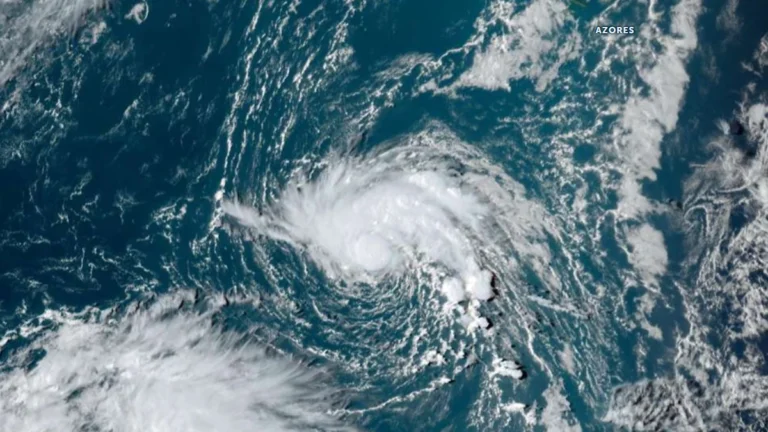
  • Tropical Depression Six forms over the North Atlantic, forecast to strengthen into Tropical Storm Fay

    Tropical Depression Six formed southwest of the Azores on September 19, 2026, with initial maximum sustained winds of 55 km/h (35 mph). The NHC forecast the depression to reach tropical-storm intensity by 00:00 UTC on September 20 and strengthen further to 75 km/h (45 mph) by 00:00 UTC on September 21. The system would receive the name Fay if upgraded to a tropical storm.

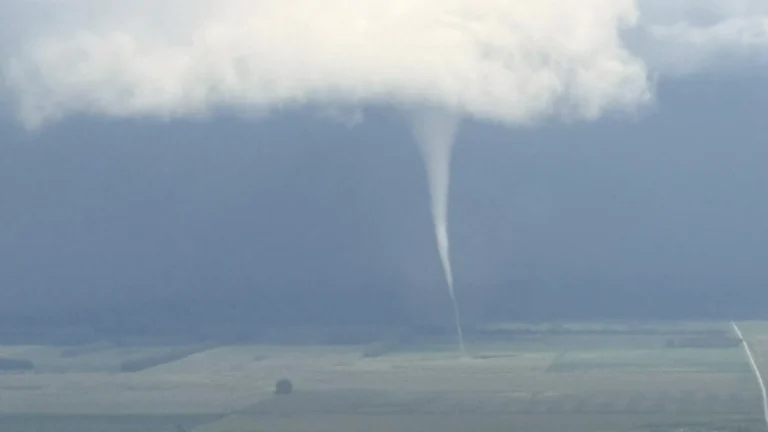
  • Tornado touches down near Francis Peak in Davis County, Utah

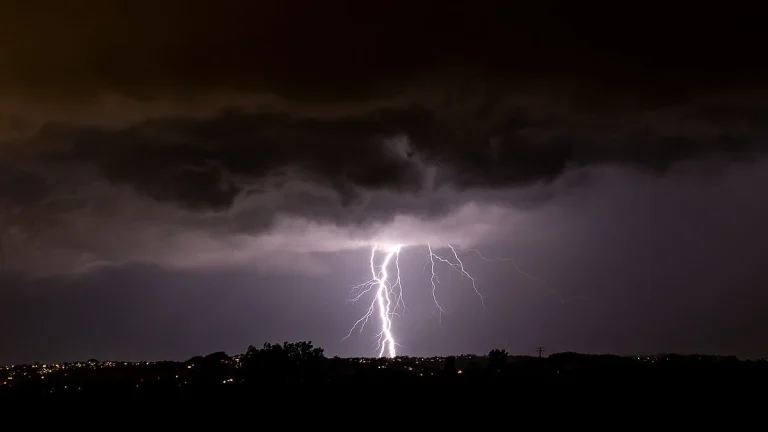
    A tornado touched down east of Fruit Heights, Utah, at approximately 13:52 LT (19:52 UTC) on September 18, 2026, as severe thunderstorms moved across Davis County and surrounding areas. Rain and damage was reported in the affected areas. The National Weather Service (NWS) had issued a tornado warning for portions of Davis, Weber and Morgan counties just eight minutes before the reported touchdown.

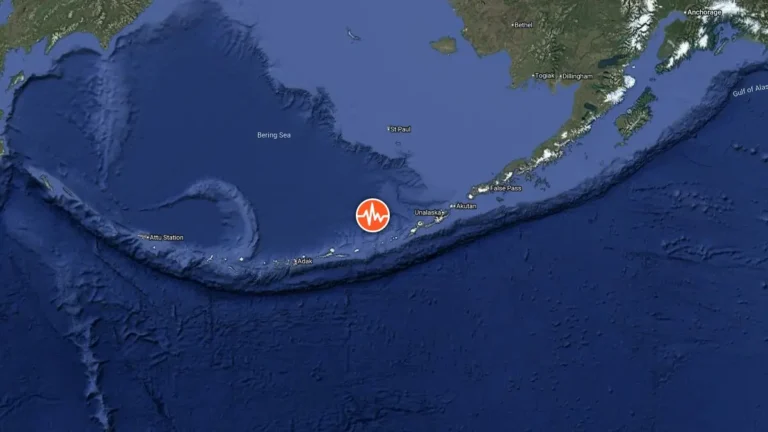
  • Strong M6.5 earthquake hits Fox Islands, Aleutian Islands

    A strong earthquake registered by the USGS as M6.5 hit the Fox Islands region of the Aleutian Islands, Alaska at 14:19 UTC (06:19 LT) on September 17, 2026. The agency is reporting a depth of 114.8 km (71.3 miles). EMSC is reporting M6.5 at a depth of 106 km (65.9 miles). According to the NWS National Tsunami Warning Center (NTWC), a tsunami is not expected.

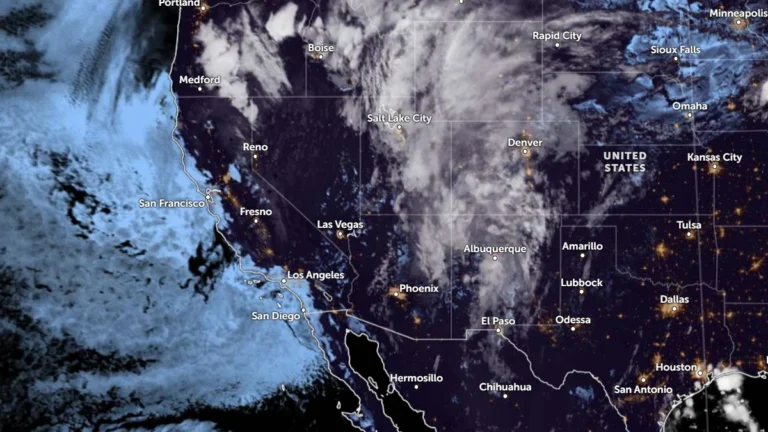
  • Flood Watches cover New Mexico, Utah and Colorado, heavy-rain threat shifts to South Dakota

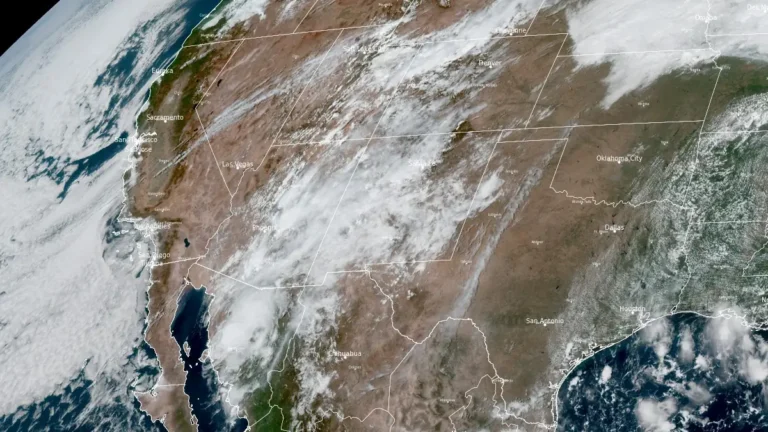
    Another round of heavy showers and thunderstorms was forecast across parts of New Mexico, Utah and Colorado on September 17, 2026, prompting Flood Watches for areas vulnerable to rapid runoff and flash flooding. A moisture-rich disturbance was then expected to move northeast into South Dakota, where the National Weather Service’s Weather Prediction Center (WPC) forecast 51–102 mm (2–4 inches) of rain with locally higher totals.

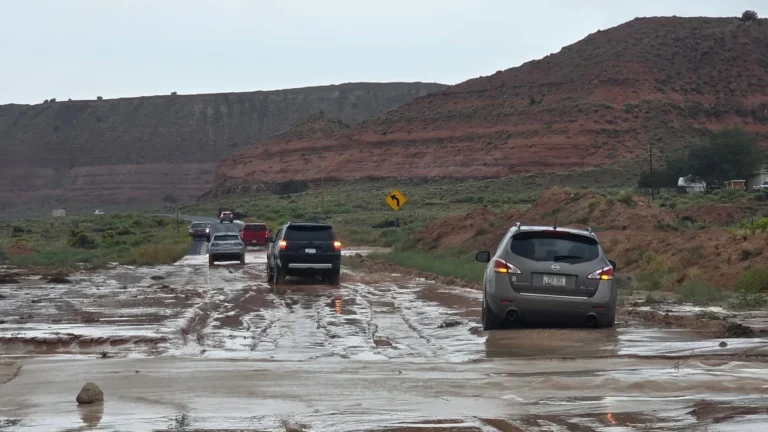
  • Flash flooding kills 3 near Newcomb on Navajo Nation, New Mexico

    Two adults and a juvenile drowned after being swept away by floodwaters near Newcomb, New Mexico, early on September 16, 2026. The deaths occurred amid a Navajo Nation-wide state of emergency for severe monsoon storms, flash flooding and storm-related damage to roads and infrastructure.

  • Heavy rain raises flash-flood risk across Arizona burn scars, slot canyons and saturated ground

    Heavy rainfall and repeated thunderstorms are raising the flash-flood threat across Arizona on September 16, 2026, with the Weather Prediction Center (WPC) placing parts of southern and central Arizona under a Moderate Risk of excessive rainfall. Flood Watches cover much of the state, while National Weather Service (NWS) offices warn that burn scars, slot canyons, and already saturated ground require particular attention during periods of heavy rainfall.

  • Satellite imagery shows 15 years of decline at Elephant Butte Reservoir after lowest level since 1971

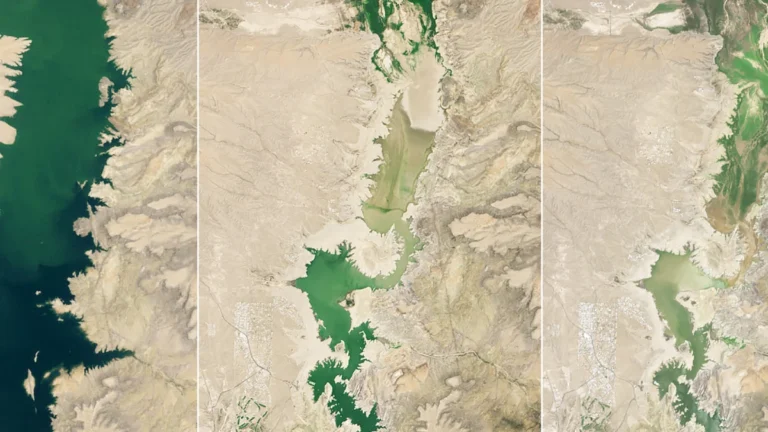
    Prolonged drought has been affecting the Rio Grande basin for several years. A Satellite loop released on September 15, 2026, showed the declining water levels in the Elephant Butte Reservoir and the smaller Caballo Reservoir to its south over the last 15 years. NASA had earlier reported that the reservoir stood at 1.4% of capacity on July 27, its lowest level since 1971.

  • NOAA forecasts moderate to high respiratory irritation risk from red tide in Galveston County, Texas

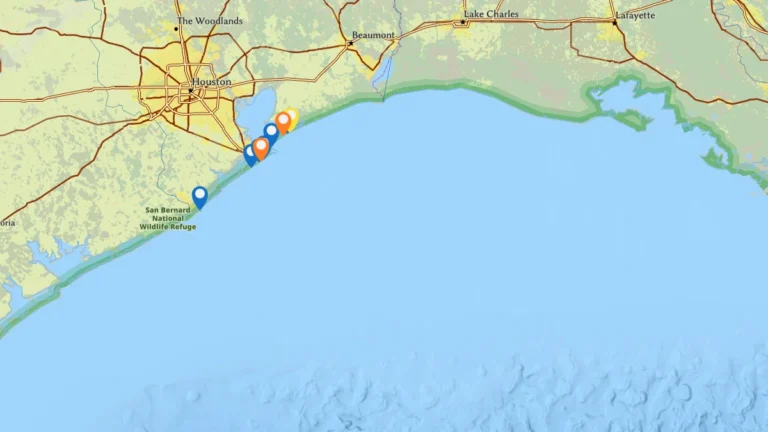
    A Karenia brevis red tide bloom is affecting parts of Galveston County, Texas, on September 16, 2026, after state biologists confirmed moderate to high cell concentrations, fish kills and respiratory irritation along the coast. NOAA forecasts a moderate to high risk of respiratory irritation at some beaches on Galveston Island and Bolivar Peninsula as the bloom continues.