• 20 reported dead, 16 missing as Bavi-enhanced monsoon triggers floods and landslides, Philippines

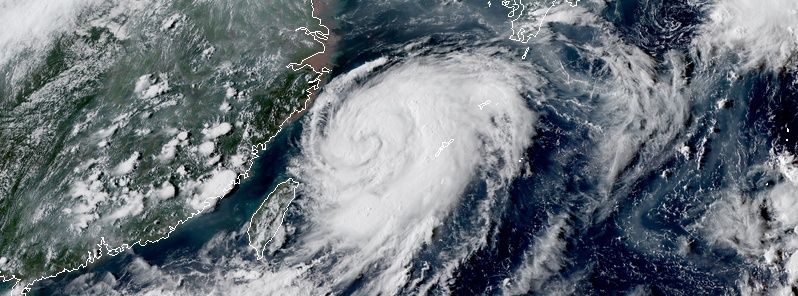
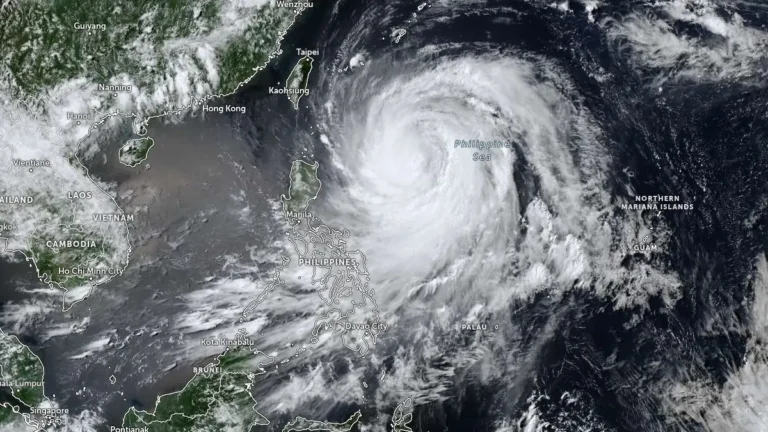
    The combined effects of Typhoon Bavi, locally named Inday, and the enhanced southwest monsoon left 20 people reported dead and 16 missing across the Philippines as of 08:00 LT (00:00 UTC) on Monday, July 13, 2026, while the National Disaster Risk Reduction and Management Council (NDRRMC) continued validating most casualty reports. About 654 000 people were affected nationwide, with flooding, landslides, damaged houses, disrupted roads, bridges and seaports, and about 20 100 people in evacuation centers.

  • Severe floods hit eastern and northern China after Typhoon Bavi’s double landfall

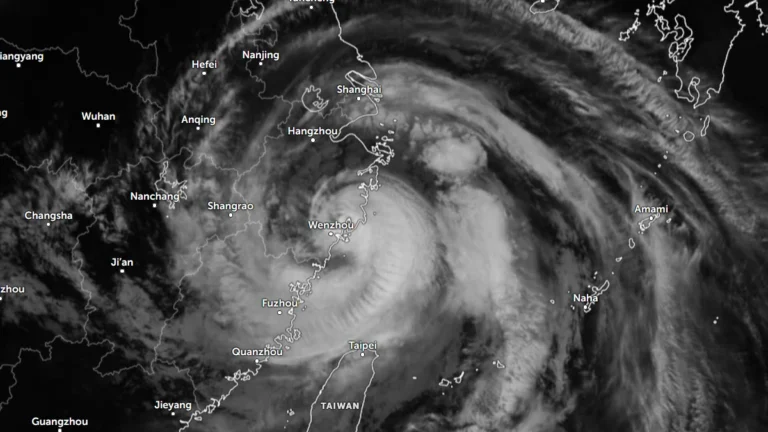
    Typhoon Bavi battered eastern China after making two landfalls in Zhejiang Province late Saturday, July 11, 2026. More than 2.68 million people were relocated in Zhejiang alone ahead of landfall, while rainfall exceeded 300 mm (12 inches) in some areas. As the system moved northward, severe flooding submerged roads under more than 2 m (6.6 feet) of water in parts of Hebei, stranded approximately 1 800 people and disrupted railway services in Liaoning, while 46 rivers nationwide exceeded warning levels.

  • Typhoon Bavi makes landfall in Zhejiang, China, after triggering mass evacuations

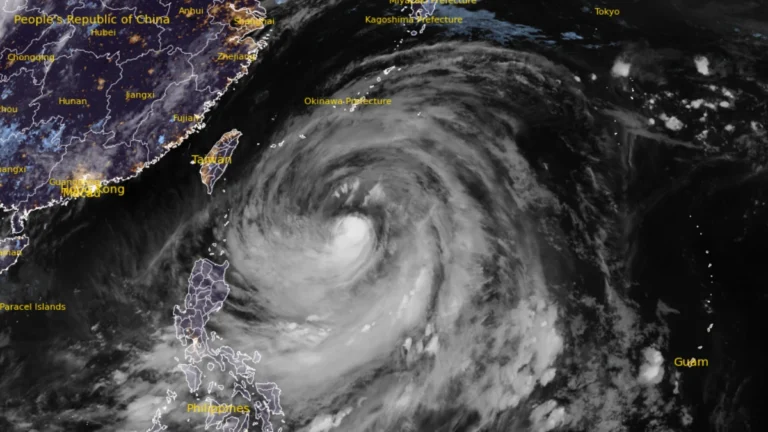
    Typhoon Bavi made landfall in Zhejiang Province, eastern China, at 23:20 local time (LT) on July 11, 2026, with 10-minute maximum sustained winds of 144 km/h (90 mph). The storm prompted the evacuation of more than 1.7 million people across eastern China. Bavi passed north of Taiwan before reaching the mainland and enhanced the southwest monsoon over the Philippines, where flooding and landslides caused fatalities.

  • Typhoon Bavi to bring extreme rain to Taiwan before landfall in eastern China

    Typhoon Bavi continued to weaken gradually on July 9, 2026, while tracking toward northern Taiwan and eastern China. Taiwan’s Central Weather Administration warned of up to 900 mm (35 inches) of rain in northern mountainous areas through Sunday, while Chinese authorities forecast landfall along the Fujian–Zhejiang coast on the evening of July 11.

  • Super Typhoon Bavi strengthens into Category 5 as Guam, Northern Mariana Islands brace for possible catastrophic impacts

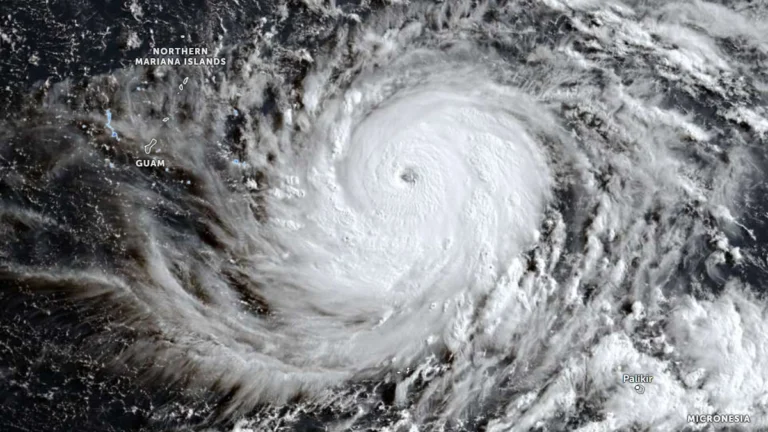
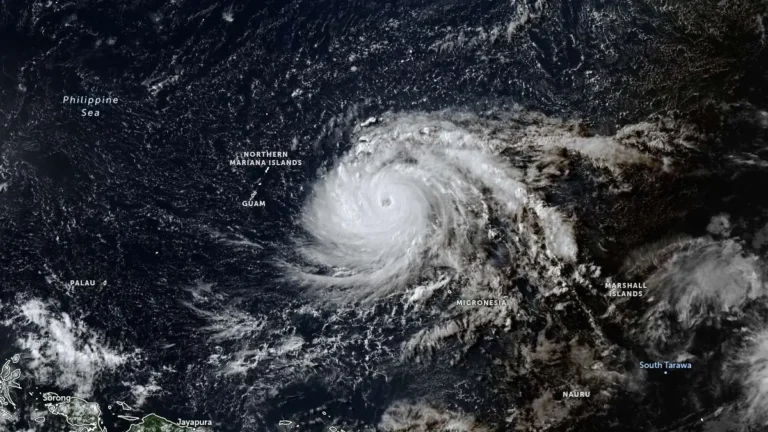
    Super Typhoon Bavi reached Category 5 strength over the western North Pacific on Saturday, July 4, 2026 as it tracked toward the Mariana Islands. Forecasters expect the cyclone to pass very near Rota before moving between Guam and Saipan on Monday morning. Typhoon warnings have been issued for Guam, Rota, Tinian, and Saipan amid forecasts of destructive winds, life-threatening coastal inundation, widespread flash flooding and catastrophic damage early next week.

  • Typhoon Bavi forecast to approach the Mariana Islands as a Category 5 super typhoon

    Typhoon Bavi rapidly intensified over the western North Pacific on Friday, July 3, 2026, increasing from 157 km/h (98 mph) to 194 km/h (121 mph) within six hours. The storm is forecast continue strengthening potentially becoming a Category 5 equivalent super typhoon by Sunday, July 5. Typhoon, tropical storm and flood watches remained in effect Friday across Guam and the Commonwealth of the Northern Mariana Islands.

  • Typhoon “Bavi” moving toward the Korean Peninsula

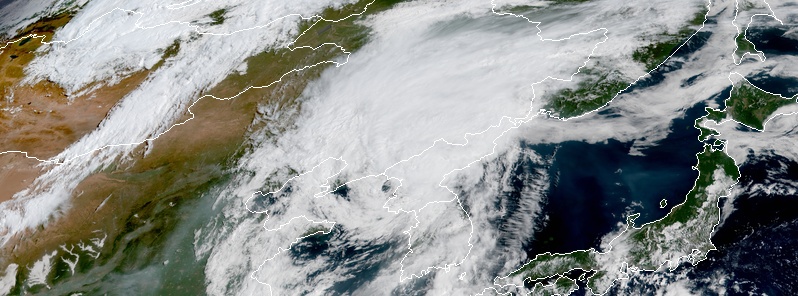
    Typhoon "Bavi" formed north of the Philippine archipelago on August 21, 2020, as the 8th named storm of the 2020 Pacific typhoon season. The system was located in conditions conducive for rapid strengthening and by 12:00 UTC on August 22, Bavi was a Severe…