• Study identifies second alignment plane of solar system

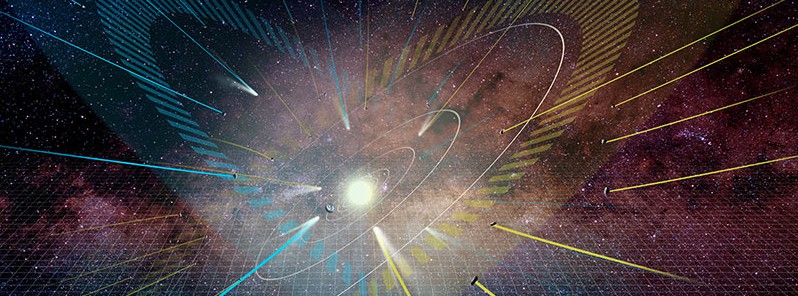
    According to a new study published in The Astronomical Journal, comet motions indicate that the solar system has a second alignment plane. The discovery has significant implications for models of how comets originally formed in the solar system. The study, led by…
  • Asteroid Hygiea the smallest dwarf planet in the solar system

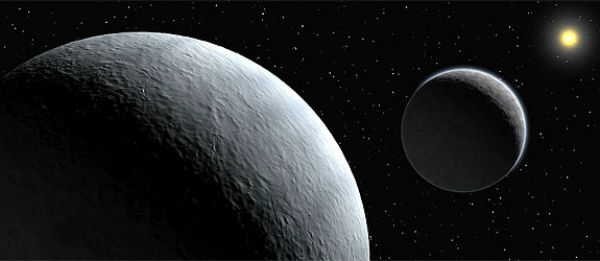
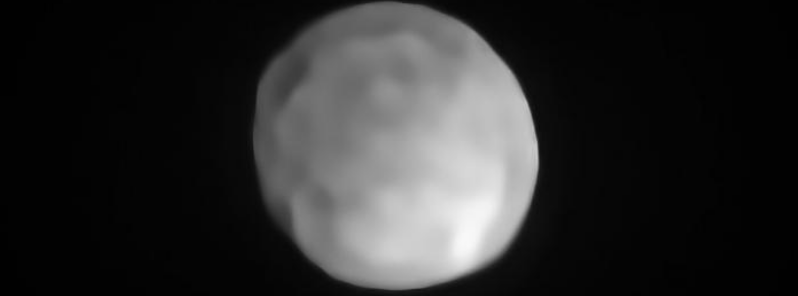
    Hygiea, previously classified as an asteroid, may actually be the smallest dwarf planet in the solar system, according to a study published on October 28, 2019. New images by the ESO's SPHERE instrument at the Very Large Telescope (VLT) revealed that the space…

  • Evidence of chaotic solar system

    A team of scientists from the University of Wisconsin-Madison and Northwestern University has found evidence confirming a critical theory of how the planets in our solar system behave in their orbits around the Sun. The finding is important because it provides the…

  • Stardust’s payload holds first potential interstellar space particles

    A team of scientists has been combing through the payload of NASA's Stardust spacecraft since it returned to Earth in 2006. They found seven rare, microscopic interstellar dust particles, that most likely came from outside of our solar system. If

  • Asteroid diversity points to a "snow globe" solar system

    Our solar system seems like a neat and orderly place, with small, rocky worlds near the Sun and big, gaseous worlds farther out, all eight planets following orbital paths unchanged since they formed.

    However, the true history of the solar system is more riotous.

  • Sizes of planets and stars

    This few animations show the relative sizes of some planets and stars in our known Universe with VY Canis Majoris as the biggest known

  • First Trojan asteroid found locked into Earth’s orbit

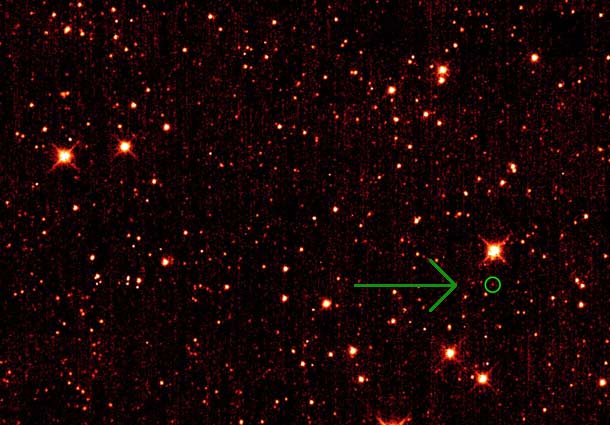
    NASA’s Wide-field Infrared Survey Explorer (WISE) has found the very first asteroid that (more or less) shares an orbit with Earth! Called 2010 TK7, this asteroid is about 300 meters (roughly 1000 feet) across, and is the first in an up-to-now theoretical class of