• Moscow records highest July 3 temperature since 1917, Russia

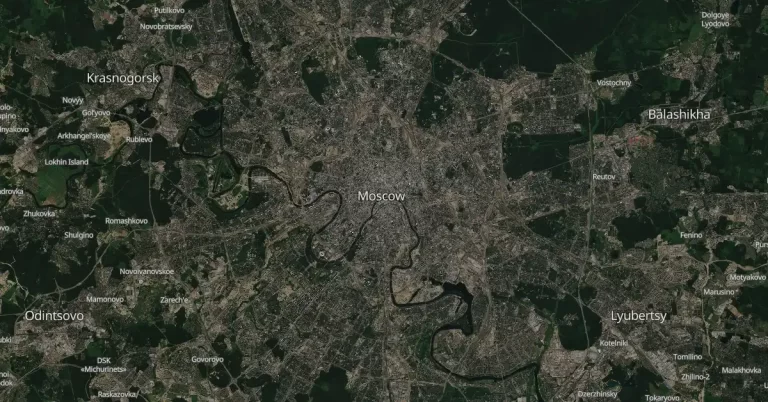
    Cities across Russia saw temperatures above 35 °C (95 °F) this week, while in Moscow, the mercury hit 32.7 °C (90.86 °F) on July 3 — the highest temperature for July 3 since 1917, according to the FOBOS weather center. This week, records were broken from Russia’s Pacific coast and the wilds of Siberia to the European parts of Russia.

  • Coldest early May on record in European Russia

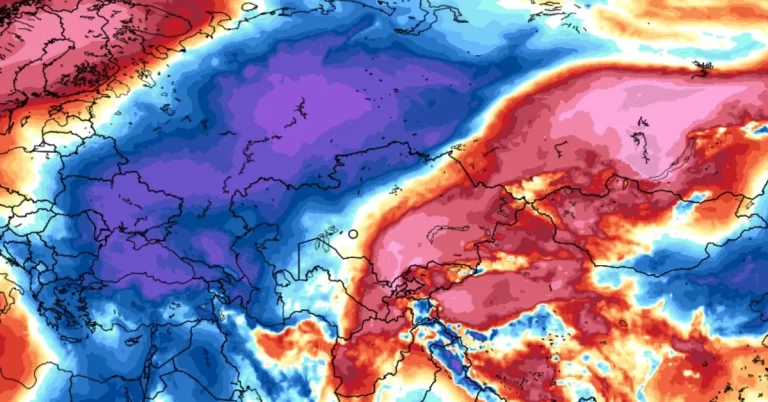
    The first ten days of May in the European part of Russia may be recognized as the coldest on record, according to Roman Vilfand of the Russian Hydrometeorological Center. Cold air masses from the Arctic Ocean caused temperatures to drop significantly, affecting not only Russia but also Turkey with severe weather.

  • Widespread damage and at least 23 fatalities, 12 missing in Eastern Europe after rapid intensification of Storm Bettina

    Eastern Europe is still grappling with the aftermath of Storm Bettina, a severe snowstorm that rapidly intensified over the Black Sea and impacted the region on November 26 and 27, 2023. Ukraine has reported significant casualties, with at least five deaths and 19 injuries in the Odesa region. The storm has not only disrupted life in Ukraine but also inflicted damage and caused fatalities in neighboring countries such as Moldova, Romania, Bulgaria, Turkey and Russia.

  • Severe ‘black blizzard’ in Moscow: Snowfall hits 35% of monthly average overnight, Russia

    The Russian capital of Moscow is facing an extraordinary ‘black blizzard’, a weather pattern typically seen in the Far North. This phenomenon, which started overnight, has resulted in heavy snowfall and reduced visibility to approximately 100 m (328 feet), with the situation expected to persist until Tuesday, November 28, 2023.

  • Widespread floods hit Primorsky Krai, Russia

    Remnants of Tropical Cyclone “Khanun” dropped heavy rains over Primorsky Krai, Russia over the past couple of days causing widespread floods. Khanun made landfall in South Korea late August 9 (UTC) and continued moving north toward Russia.