
Moscow records highest July 3 temperature since 1917, Russia
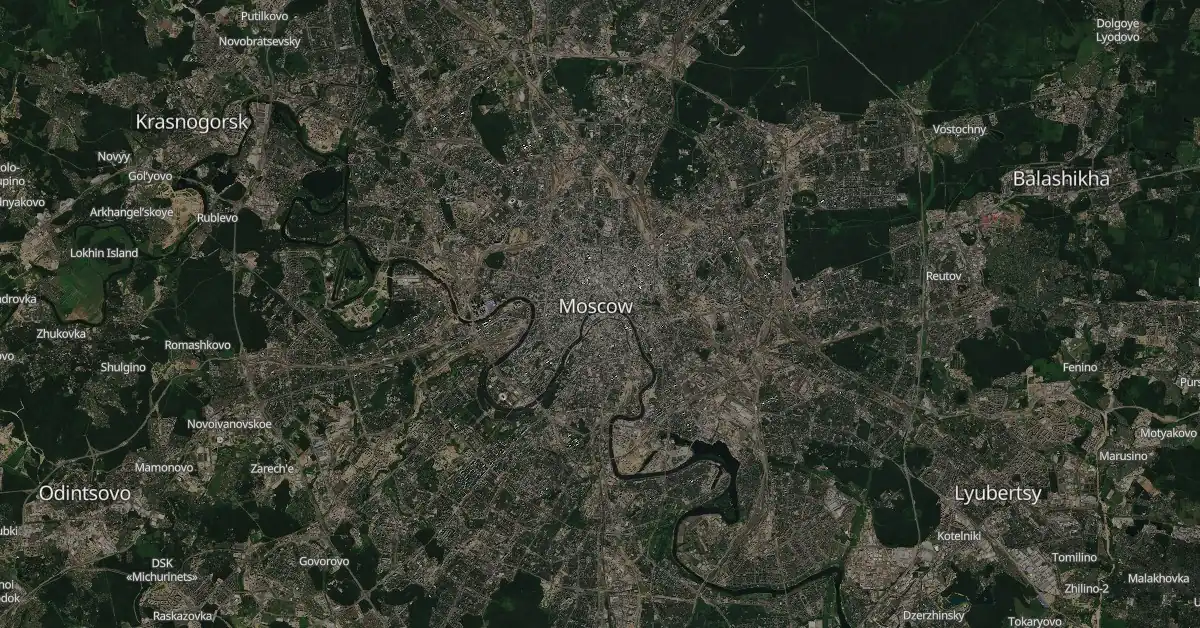
Image credit: Copernicus EU/Sentinel-2, The Watchers. Acquired on July 4, 2024
Cities across Russia saw temperatures above 35 °C (95 °F) this week, while in Moscow, the mercury hit 32.7 °C (90.86 °F) on July 3 — the highest temperature for July 3 since 1917, according to the FOBOS weather center. This week, records were broken from Russia’s Pacific coast and the wilds of Siberia to the European parts of Russia.
The hot weather triggered soaring demand for air conditioners and fans, and water was handed out to passengers in the metro and on many trains.
Moscow Mayor Sergei Sobyanin urged the residents of the Moscow metropolitan area, which has a population of well above 20 million, to take precautions and avoid going outside at the hottest times of the day.
“During the day, the air temperature will exceed the climatic norm and rise above 30 degrees again,” Sobyanin said, “thunderstorms are forecasted for Friday and there is a possibility of hail” he added.
On Wednesday, 38 temperature records were set in Russia, said Mikhail Leus, a specialist at the Fobos weather center
— Sota News (@sotanews) July 4, 2024
Lugansk (which was annexed to the Russian Federation as a result of a "referendum") stood out the most – there they beat the 1991 record, registering 38.7…
Moscow and the surrounding region are sweltering as temperatures soared to levels unseen in over a century, with the state weather monitor warning of dangerously hot evenings.@JyotsnaKumar13 tells you more#MoscowHeat #MoscowTemperature pic.twitter.com/yO4QrjiZhZ
— WION (@WIONews) July 4, 2024
The heatwave comes after a series of unpredictable weather events in the city and other regions of Russia. Following heavy rainfall that caused flooding in parts of the city in June, Moscow was hit by Storm Edgar, resulting in the death of two individuals and injuries to many others.
States of emergency have been declared in the republics of Tyva and Sakha due to wildfires.
Additionally, a rare tornado was observed in the Moscow region on June 20.
Wildfires Hit 600,000 Hectares in Eastern Russia. Emergency officials in the Siberian region of Sakha-Yakutia said on June 27. Multiple wildfires rage out of control.
— News That Matter (@jay1stnewyorker) June 29, 2024
https://t.co/vaZMw9pgat
Tornado in Moscow region, Russia
— Kirill Bakanov (@WeatherSarov1) June 21, 2024
June 20, 2024 pic.twitter.com/lz5e37CXDq
References:
1 Russia swelters in heat wave, Moscow breaks 1917 record for early July – Reuters – July 4, 2024
2 Muscovites Swelter in Record-Breaking Heat – MT – July 4, 2024

Rishav Kothari is Editor-in-Chief of The Watchers, where he runs the newsroom and covers earthquakes, volcanoes, severe weather and space weather.
Earlier reporting
Nothing on Watchers was published in the last 24 hours. These are older articles.
- Weipa hits 41 straight days above 36°C as severe heatwave grips Far North Queensland through November 19
- On October 22, 2017, a single flash of lightning stretched 515 miles from eastern Texas to near Kansas City, a distance that takes eight hours to drive, and nobody realized how far it had gone until scientists went back through the satellite data years later Epicenter
- CPC posts a slight risk of heavy rain from the Gulf Coast to the Northeast urban corridor November 25-29, and a moderate risk of West Coast wind and Sierra snow on November 25
- Florida's east coast faces a moderate flash flood risk Wednesday through Friday, with 4 to 8 inches of rain forecast and the St. Johns River near Cocoa already in major flood at 17.13 feet
