Supernova radiation linked to virus evolution in Lake Tanganyika, Africa
A supernova explosion approximately 2.5 million years ago may have influenced viral evolution on Earth in Lake Tanganyika, Africa’s deepest lake.


A supernova explosion approximately 2.5 million years ago may have influenced viral evolution on Earth in Lake Tanganyika, Africa’s deepest lake.

A new study published this month in Nature Communications reports that burst-like seismic swarms have been a defining feature of the volcanic unrest at Campi Flegrei since 2021.
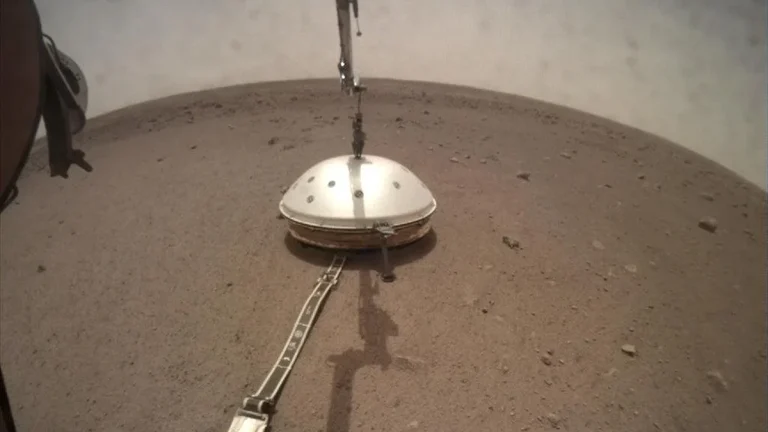
NASA’s InSight lander has provided evidence that seismic waves on Mars travel through the planet’s mantle rather than being confined to the crust.
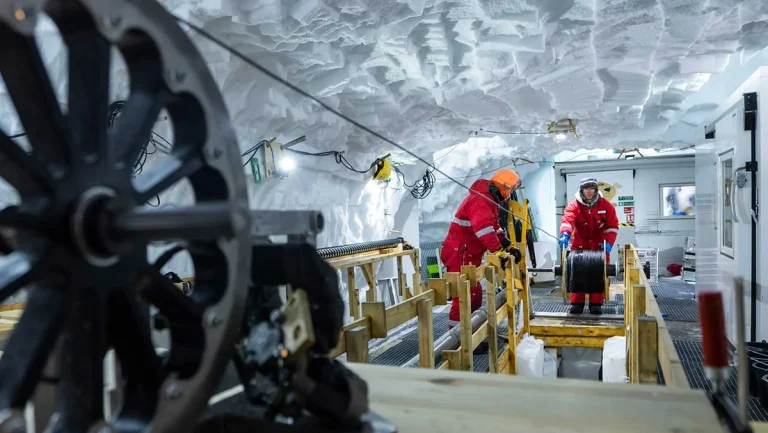
Previously undetected seismic activity, known as ice quakes, has been recorded deep within Greenland’s Northeast Greenland Ice Stream (NEGIS), revealing a previously unknown mechanism of ice movement.
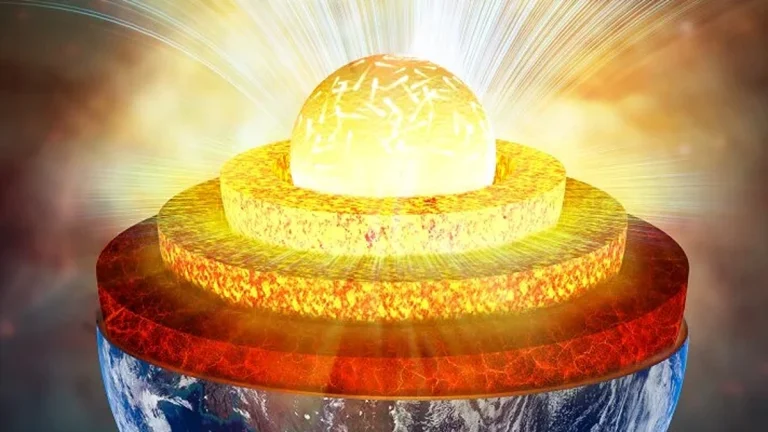
An analysis of seismic waves from earthquakes that occurred between 1991 and 2023 near the South Sandwich Islands in the Southern Ocean showed that Earth’s inner core is not a perfectly uniform sphere but a structure with shifting regions, altering its topography over time.
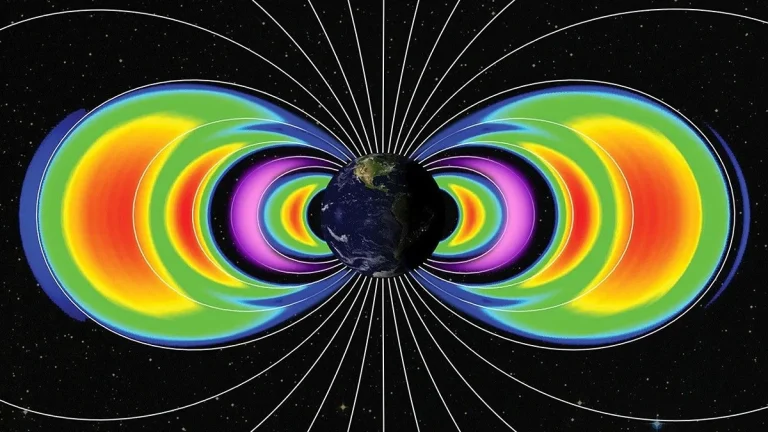
Two new radiation belts, one containing electrons and another containing protons, were detected by NASA’s CIRBE CubeSat after the May 10, 2024, G5 – Extreme geomagnetic storm.
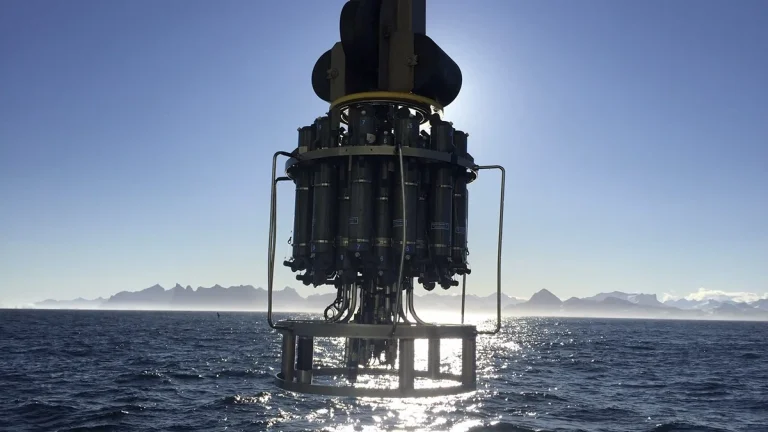
A new study by an international research team found that the Atlantic Meridional Overturning Circulation (AMOC) has remained stable since 1963, contradicting previous claims of a long-term weakening trend.
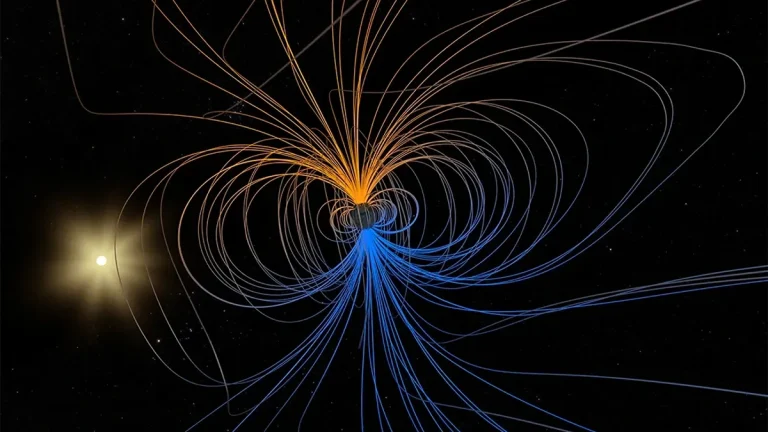
Earth’s magnetic field may have experienced more polarity reversals than currently recorded, according to a new study using statistical modeling. Researchers found anomalies in the geomagnetic reversal frequency, suggesting that some reversals remain undetected. Incorporating recently discovered reversals from Ethiopian flood basalts into the dataset revealed hidden patterns that could refine our understanding of Earth’s magnetic history.
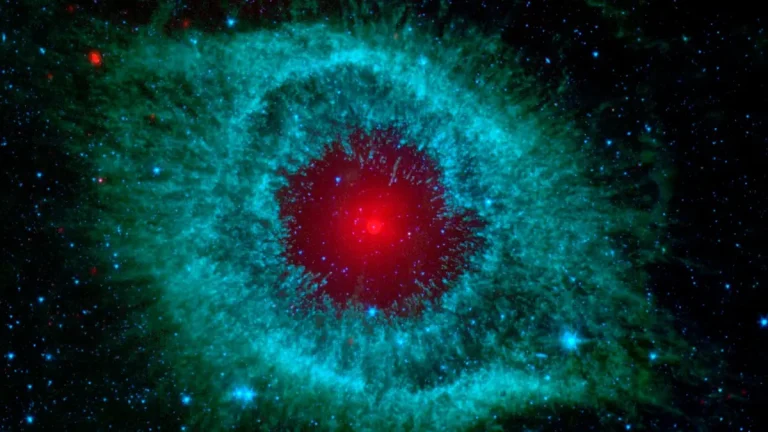
Scientists have discovered new evidence that Earth has been bombarded by extreme cosmic radiation in the past, leaving “fingerprints” of supernova explosions and solar superflares in tree rings and ice cores. These rare events, known as Miyake Events, reveal sudden spikes in radiocarbon (¹⁴C) levels, suggesting that powerful cosmic forces — ranging from massive solar storms to nearby supernovae –may have impacted Earth’s atmosphere far more frequently than previously thought. A newly identified event from 12 350 BCE could be the most intense yet, challenging our understanding of space weather and cosmic threats to our planet.
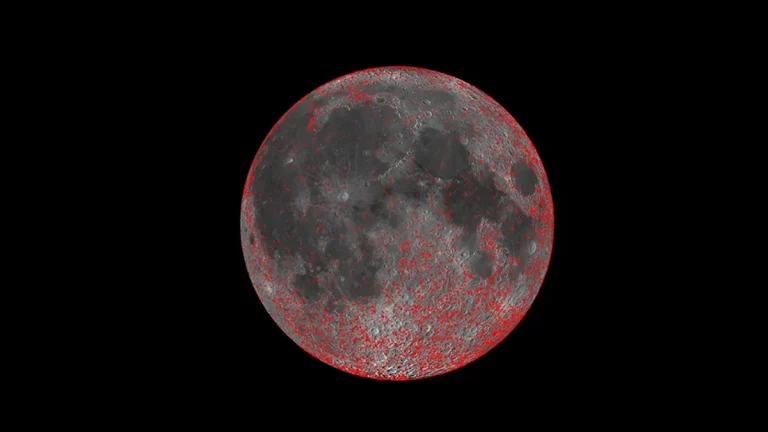
Small-scale tectonic structures have been identified on the Moon’s farside maria and within the South Pole–Aitken (SPA) Basin, revealing recent and potentially ongoing contractional tectonism. The discovery challenges previous assumptions that tectonic activity on the Moon ceased billions of years ago.
