• Major tectonic tear found beneath Iraq, Turkey, and Iran

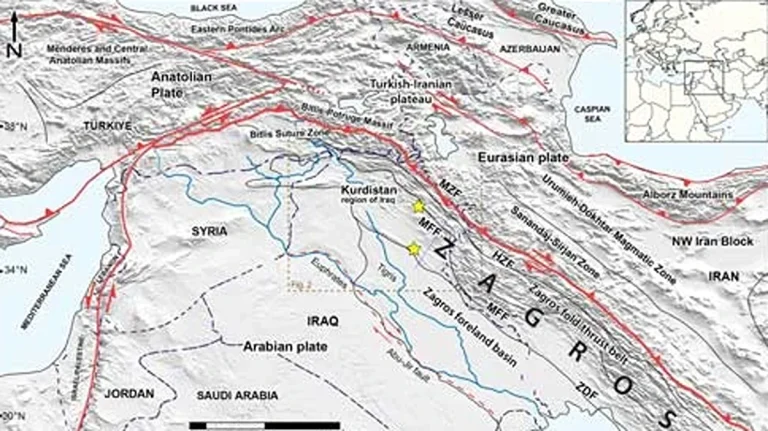
    An international research team led by the University of Göttingen has discovered that the Neotethys oceanic plate is breaking off horizontally. This geological phenomenon is occurring deep beneath the Earth’s surface, with a tear extending from southeast Turkey to northwest Iran. The study focused on the impact of the Zagros Mountains’ forces in the Kurdistan region of Iraq, revealing significant bending of the Earth’s surface over the past 20 million years.

  • Hidden magma discovered beneath dormant Cascade Range volcanoes

    New research has found magma reservoirs beneath dormant volcanoes in the Cascade Range remain intact for thousands of years, challenging the long-standing belief that magma bodies dissipate over time after eruptions and reshaping understanding of volcanic activity. Previously, large magma bodies were thought to indicate an increased likelihood of eruption, but the study suggests they are a persistent feature of volcanic systems rather than a sign of imminent activity.

  • Study finds statistical link between solar activity and rainfall variability

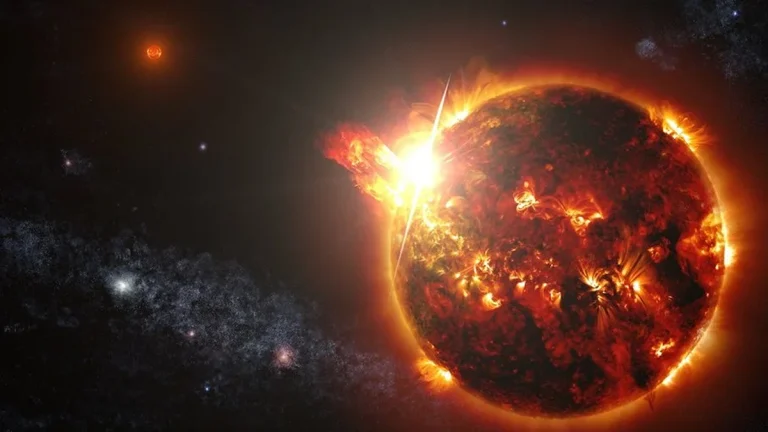
    A long-term statistical study has confirmed a direct correlation between rainfall variability in India and solar activity features such as sunspots, solar flares, and solar prominences. Researchers analyzed 5 consecutive solar cycles (1964 – 2019) and found that rainfall levels shift predictably with solar fluctuations, impacting seasonal and annual precipitation patterns across India.

  • China’s artificial sun maintains 100 million °C plasma for over 17 minutes, setting a new world record

    China’s Experimental Advanced Superconducting Tokamak (EAST), commonly known as the “artificial sun,” set a new world record on January 20, 2025, by sustaining plasma temperatures of over 100 million °C (180 million °F) for 1 066 seconds (17.7 minutes). The projects ultimate goal is to provide a source of limitless clean energy and facilitate space exploration beyond the solar system.

  • Cataclysmic megaflood refilled the Mediterranean Sea 5.33 million years ago

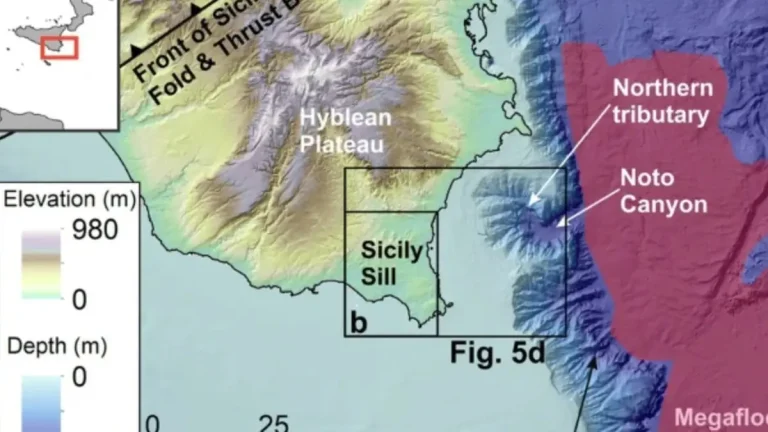
    New research confirms that a massive flood event, known as the Zanclean Megaflood, rapidly refilled the Mediterranean Sea approximately 5.33 million years ago. Scientists have identified geological formations in Southeast Sicily that provide the most detailed evidence yet of the cataclysmic event that ended the Messinian Salinity Crisis and reshaped the region.

  • DNA study reshapes understanding of Pompeii’s ancient population

    New DNA analysis of skeletal remains in Pompeii is challenging long-held beliefs about the city’s ancient population. By revealing genetic links to populations in Rome and the eastern Mediterranean, the study paints Pompeii as a diverse, bustling hub in the Roman Empire, reshaping our understanding of its people and their connections across the ancient world.