• Ancient Earth’s crust breaking down, altering the planet’s geological history

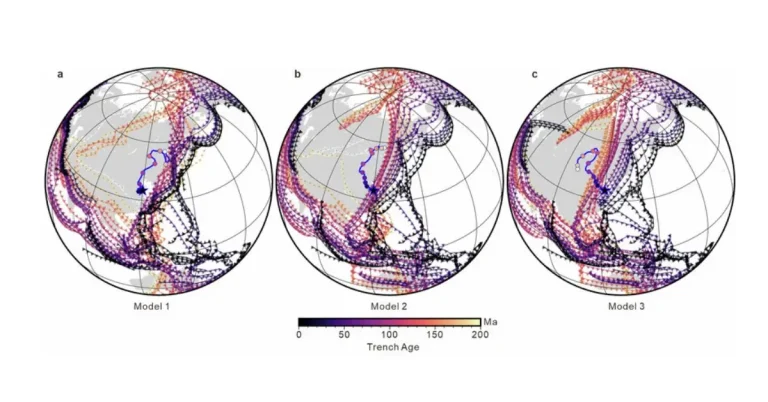
    Earth’s oldest continental crust, once believed to be geologically stable, has been gradually eroding over the past 200 million years due to tectonic shifts and mantle processes. Research led by Professor Shaofeng Liu of the China University of Geosciences into the North China Craton suggests that similar tectonic forces may have impacted other cratons worldwide, including those in North and South America. The gradual disintegration of these ancient cratons could alter Earth’s geological stability and potentially affect long-term environmental conditions.

  • Scientists at CERN observe ultra-rare particle decay process, hinting to physics beyond the standard model

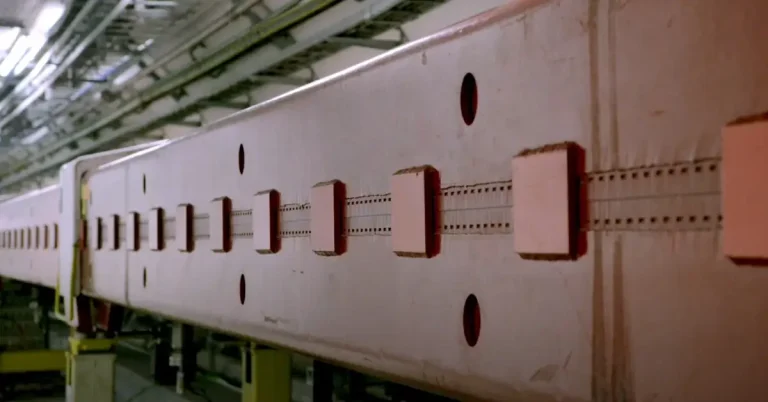
    The NA62 experiment at CERN, backed by researchers from Lancaster University, has observed a rare decay process, happening in less than one in ten billion charged kaons. This discovery, presented at a CERN EP seminar on September 24, 2024, may shed light on new physics, taking us closer to breakthroughs in particle interactions beyond the Standard Model.

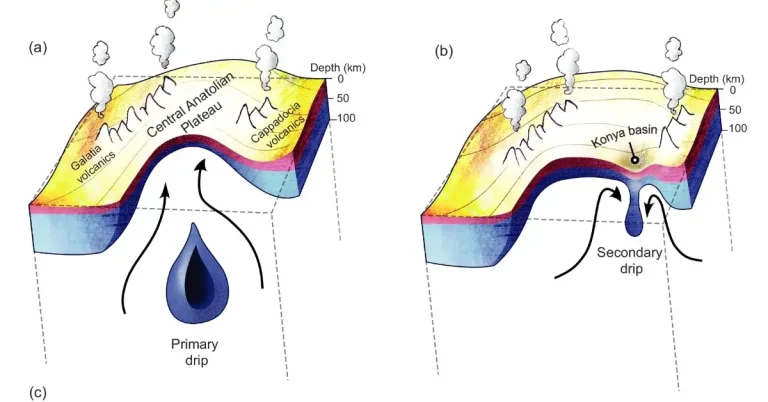
  • Lithospheric ‘dripping’ occurring beneath Türkiye’s Central Anatolian Plateau

    Geoscientists at the University of Toronto, working with Turkish experts, have discovered lithospheric ‘dripping’ beneath Turkey’s Central Anatolian Plateau. This phenomenon occurs when dense parts of the mantle lithosphere descend into the overlying asthenosphere, reshaping the region’s surface by deepening the Konya Basin and elevating surrounding places. 

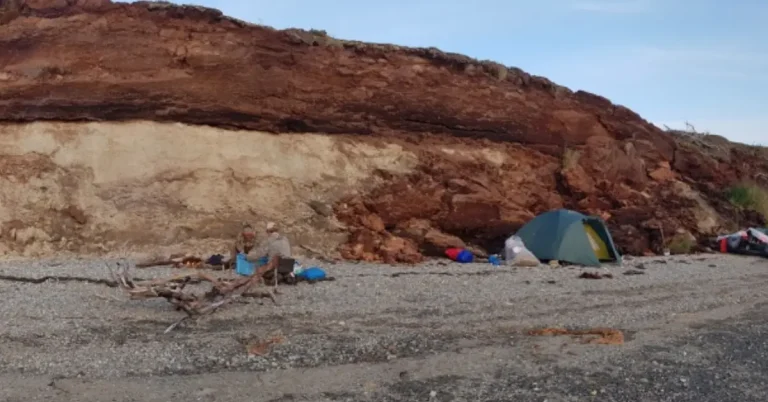
  • Geomagnetic excursions over the past 10 000 years revealed in peat deposits

    A new study published in the Russian Journal of Pacific Geology looks into geomagnetic excursions over the last 10 000 years utilizing peat deposits from Russia’s Khabarovsk Territory. The study called into attention the importance of understanding these transitory shifts in Earth’s magnetic poles, which differ from total geomagnetic reversals and impact climatic and environmental circumstances. 

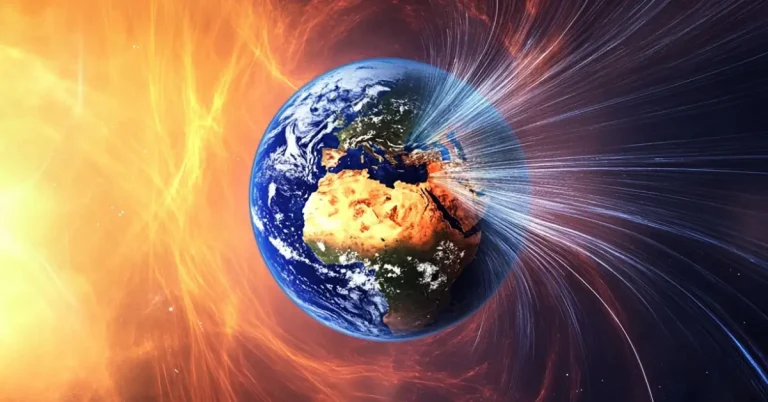
  • Low-velocity seismic structure discovered in Earth’s outer core

    Two Australian scientists discovered a ‘seismic abnormality’ in the Earth’s outer core — a “donut” of energy around the equator, where seismic waves move about 2% slower than in other core regions. Their study provides new clues about the dynamics of our planet’s magnetic field.

  • Researchers uncover critical role of Atlantic-Arctic mixing in regulating AMOC

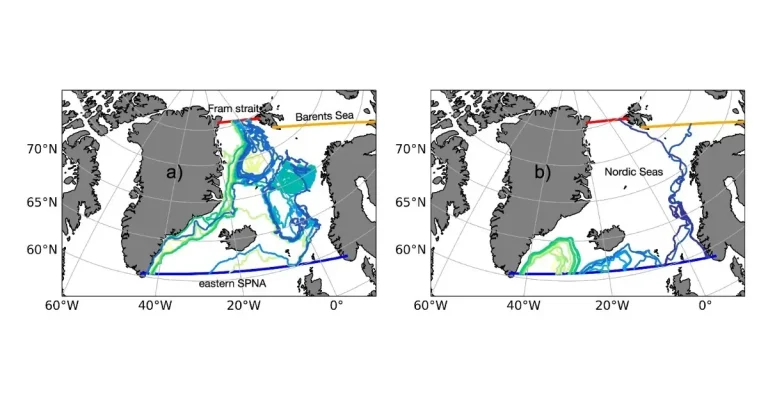
    A recent study led by Dipanjan Dey of the University of Southampton, in collaboration with international scientists, revealed the vital role that Atlantic and Arctic water mixing plays in maintaining the Atlantic Meridional Overturning Circulation (AMOC), an essential component of the global climate system.

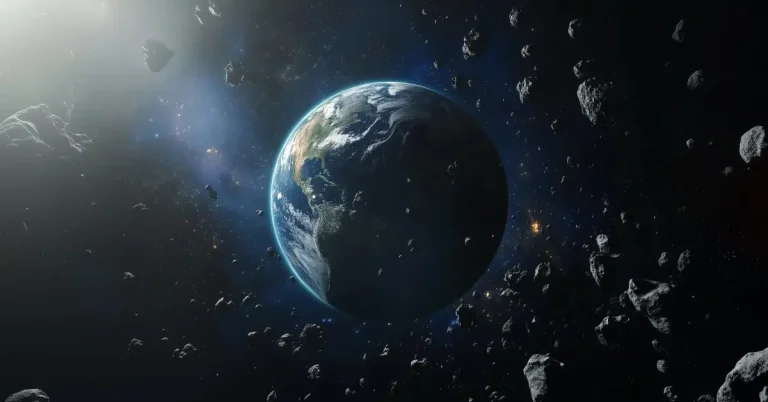
  • Ancient asteroid impact shifted Ganymede’s axis by 7 degrees, changing its geological history

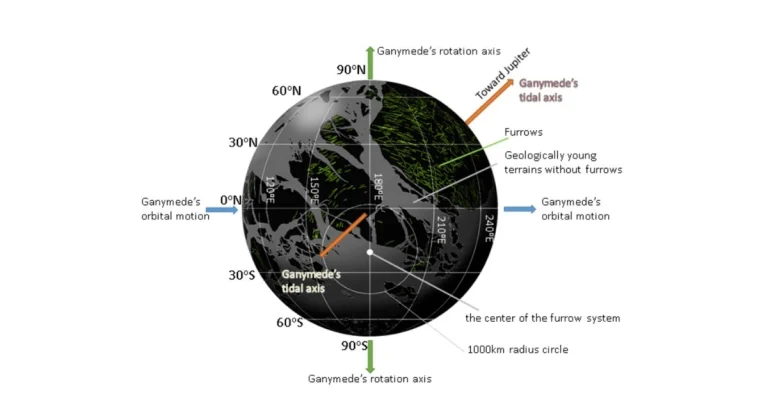
    A massive asteroid struck Ganymede, Jupiter’s and the Solar System’s largest moon, roughly 4 billion years ago, producing a significant shift in its rotational axis. This event, which formed the conspicuous Valhalla Basin, was so powerful that it shifted Ganymede’s axis about 7 degrees, changing the moon’s geological history.

  • Study reveals precursors to the 2021 Fukushima earthquake through multi-parameter analysis

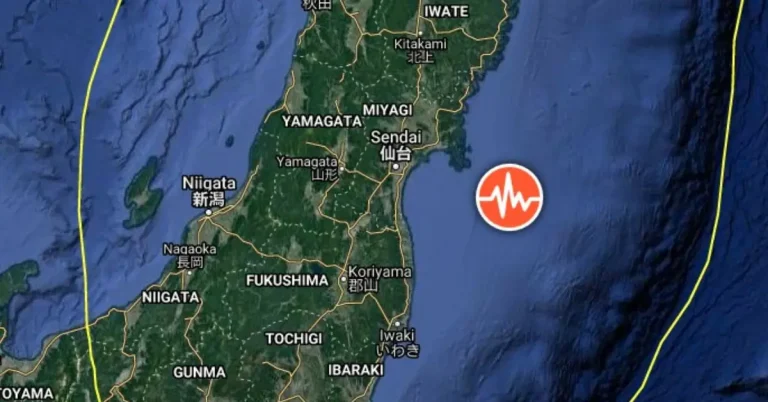
    A new study was conducted to understand the precursors to the 2021 Fukushima Prefecture Offshore Earthquake (Mj = 7.3), which occurred on February 13, 2021, off the coast of Fukushima, Japan, as an aftershock of the 2011 Tōhoku earthquake and tsunami. The investigation, led by Masashi Hayakawa and Yasuhide Hobara, focused on the Lithosphere-Atmosphere-Ionosphere Coupling (LAIC) channels and multi-parameter anomalies that occurred before the earthquake.