Geminid meteor shower peaks tonight, December 13
The Geminid meteor shower will peak on the night of December 13, 2025, with over 150 meteors per hour being visible during peak hours.


The Geminid meteor shower will peak on the night of December 13, 2025, with over 150 meteors per hour being visible during peak hours.
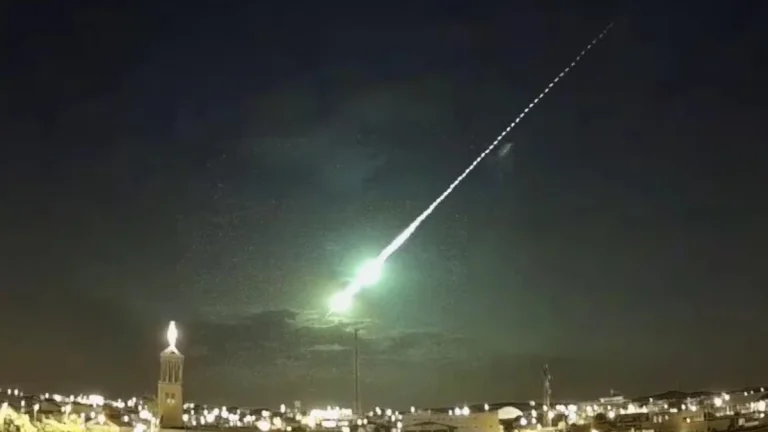
A bright meteor streaked across the sky over Brazil’s Northeast region at nightfall on December 8, 2025, captured by Clima ao Vivo monitoring cameras in Pernambuco, Paraíba, and Ceará. Preliminary analysis by the Brazilian Meteor Observation Network (BRAMON) indicates the object entered the atmosphere at a speed of around 180 000 km/h (112 000 mph). The event coincided with the active Geminid meteor shower period, one of the most intense annual meteor streams visible from Earth.
The exact moonrise time varies with longitude, so optimal viewing intervals depend on local conditions. After moonrise, observers can continue viewing by facing westward to minimize lunar glare.

Spanish Fireball and Meteorite Research Network (SPMN) reported the brightest Geminid fireball observed in 30 years of its operation on Saturday, December 14, 2024.
The much anticipated Geminid meteor shower of 2024 is set to peak during the night from Friday, December 13 to December 14, 2024. The Geminids typically have a broad peak, lasting around 24 to 36 hours, because the Earth passes through a dense section of debris from 3200 Phaethon over an extended period. However, this year, a waxing gibbous moon, approximately 90% illuminated, will be present in the sky, which may reduce the visibility of the fainter meteors.

A very bright fireball was observed over central Indiana at around 09:05 UTC (04:05 local time) on Tuesday, December 10, 2024. The event lasted about 3 – 5 seconds and was accompanied by a sonic boom.
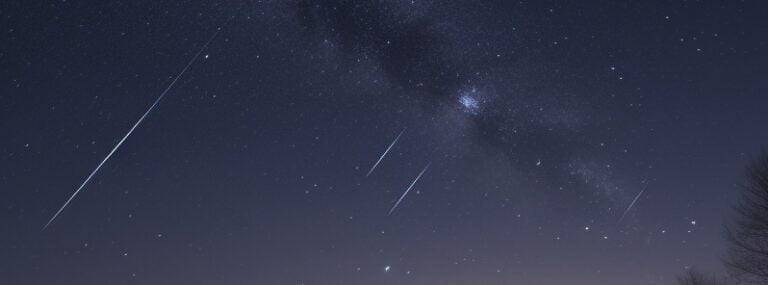
The Geminid meteor shower, one of the most spectacular yearly celestial events, was likely created by a sudden and violent occurrence, according to new findings by NASA’s Parker Solar Probe mission. These findings, published recently in The Planetary Science Journal, provide fresh insights into the origins of this meteor stream which, unlike most, emanates from an asteroid named 3200 Phaethon.
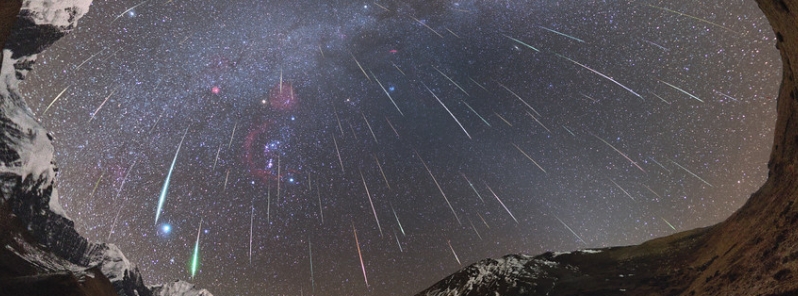
The 2020 Geminid meteor shower is expected to peak around December 14 and is likely to put the best light show at around 01:00 UTC, when its radiant point is highest in the sky. Another celestial event is set to occur on the same day as a total eclipse will be…
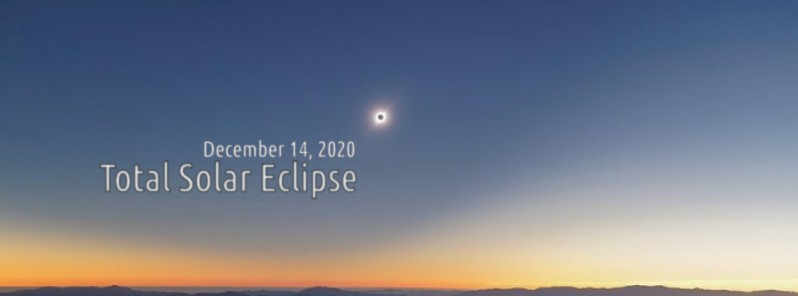
A total solar eclipse will take place at 16:13 UTC on December 14, 2020, and be visible from the South Pacific, Chile, Argentina, and the South Atlantic. Observers from southern South America, the Pacific, and those currently in Antarctica will experience a partial…
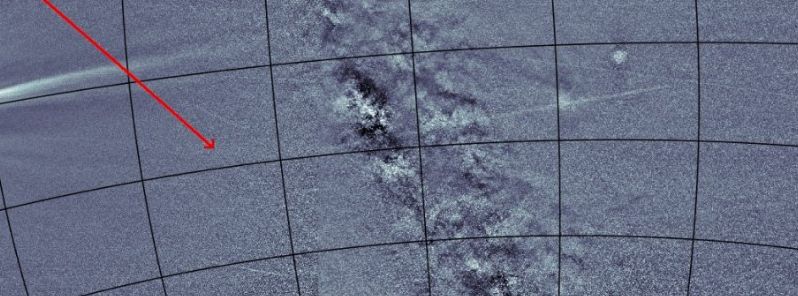
NASA's Parker Solar Probe spotted Geminid meteor shower's dust trail from space for the first time ever. As it orbits the Sun 21 more times, the probe will help scientists examine the mysterious structure of the trail. Meteors in yearly showers such as the…
