• Wildfires caused record losses in 2025 despite having the second-lowest burn area since 2002

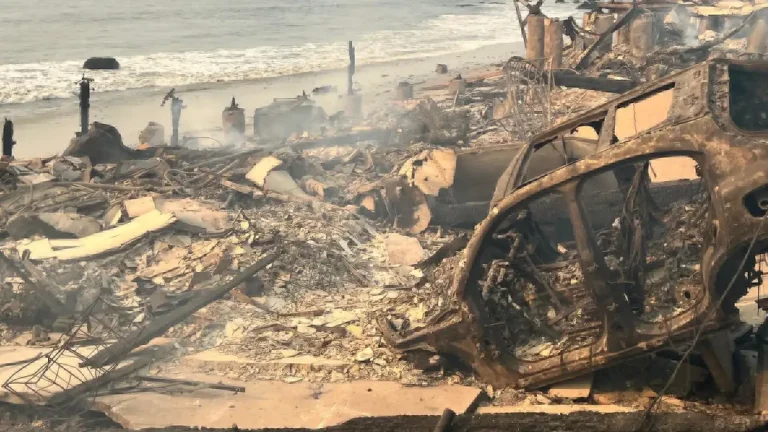
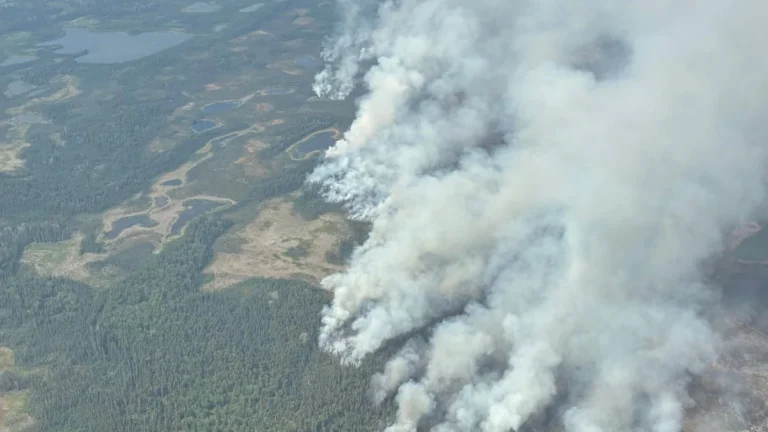
    A new study found that 335 million ha (828 million ha) burned worldwide in 2025, the second-lowest global wildfire total since 2002 and 16% below the long-term average. Despite that, 2025 became the costliest year on record for insured wildfire losses globally, with more than 300 000 evacuations and over 90 fatalities linked to major fires in Canada, the United States, Europe, and South Korea.

  • Smoke from Canadian wildfires triggers air quality alerts in 10 U.S. states, 2025 nears second-worst year

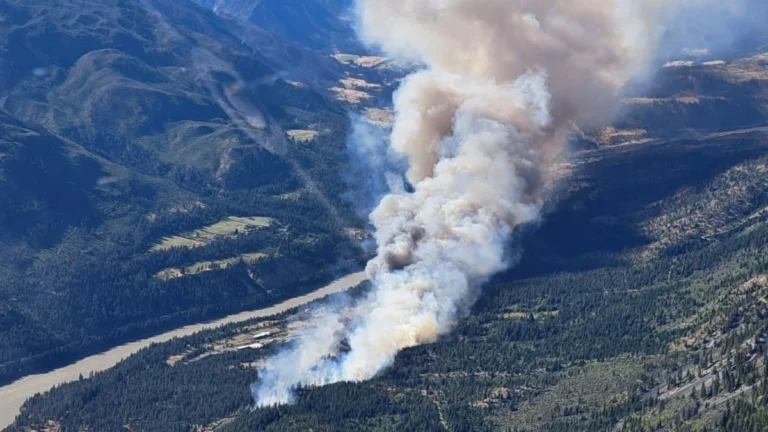
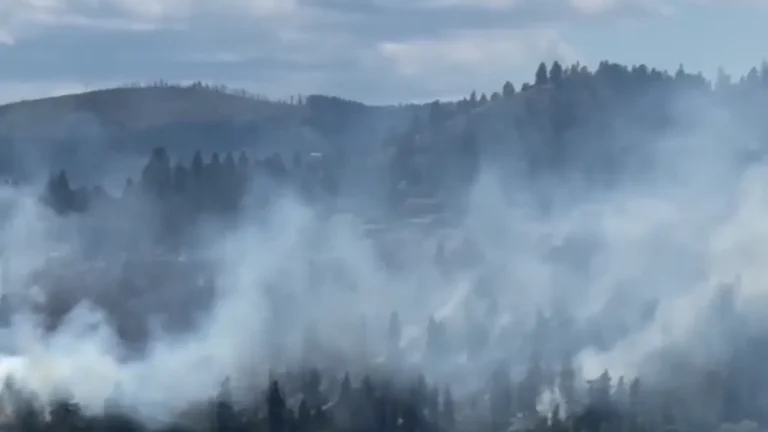
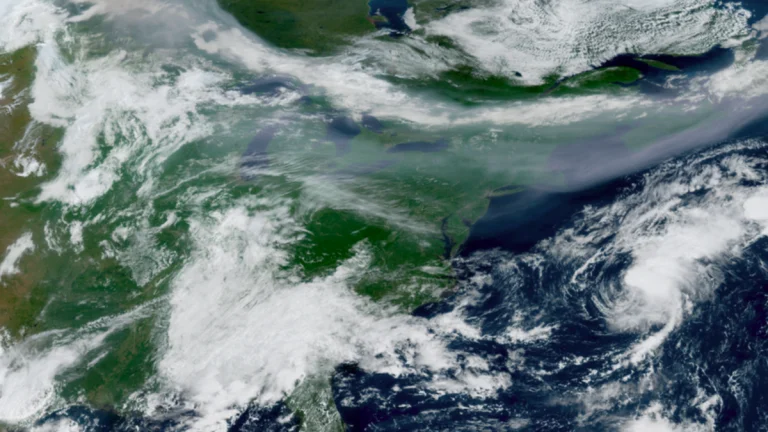
    Air quality alerts were issued across the U.S. Midwest and Northeast on Monday, August 4, 2025, and remain in effect on August 5, as over 740 wildfires burning across Canada send smoke to the U.S.  Currently, 2025 is the third most destructive year for wildfires in Canada and is likely to become the second most destructive year surpassing 1989 when wildfires burned over 17 million acres of land across the country.

  • Smoke from Canadian wildfires reaches Europe

    Smoke plumes from wildfires in Canada have crossed the Atlantic and reached Europe. These wildfires released an estimated 56 megatonnes (56 billion kg) of carbon, prompting large-scale evacuations and deteriorating air quality across parts of North America and Europe as smoke plumes crossed the Atlantic and reached the Mediterranean in May 2025.

  • Wildfires in Canada force over 25 000 to evacuate as smoke spreads over much of the United States

    Over 25 000 residents across Manitoba, Saskatchewan, and Alberta have been evacuated due to dozens of out-of-control wildfires. Smoke from the fires is affecting air quality across much of the central and eastern United States, including the Midwest, Great Lakes, Northeast, and Mid-Atlantic regions, prompting health advisories and air quality alerts in multiple states.

  • Manitoba declares State of Emergency as wildfires force over 17 000 to evacuate, Canada

    More than 17 000 people were evacuated across Manitoba, Canada, on May 28, 2025, after the provincial government declared a state of emergency due to 22 active wildfires, 11 of which remained out of control. The evacuation is considered the largest in recent memory for the province and is expected to require significant resources and coordination among all levels of government.

  • 2024 on track to become Canada’s second-worst fire season in two decades

    Wildfires are ravaging parts of Canada, with 2024 on track to become the second-worst fire season in two decades. Satellite data indicates that carbon emissions from wildfires have already exceeded the 20-year average. Reports indicate that the number of wildfires in Northern Canada has increased by 50% in the last three weeks.

  • Wildfire devastates Jasper National Park, forces mass evacuations, Canada

    A destructive wildfire continues to engulf parts of Jasper National Park and the adjacent town of Jasper in Alberta, Canada, leading to extensive evacuations and significant structural damage. As of this morning, the fire, which started due to lightning, has destroyed an estimated 30 – 50 % of buildings in the area.

  • Wildfires in Alberta and British Columbia force evacuations, Canada

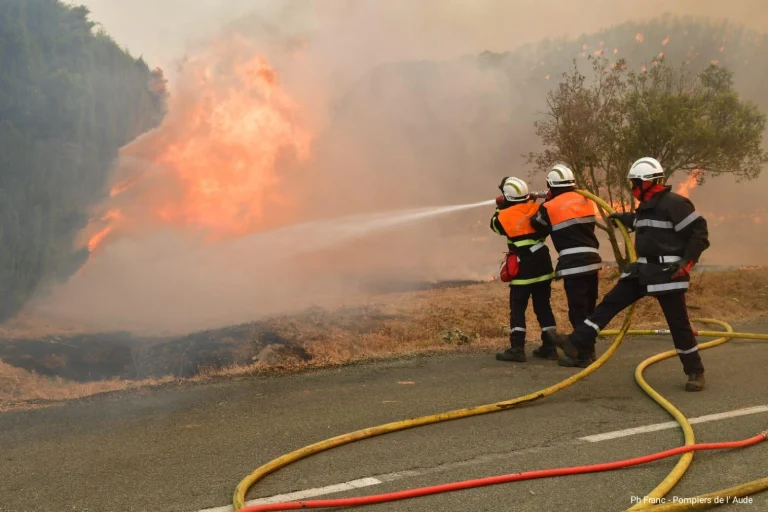
    Wildfires in northern Alberta prompted evacuations of three communities as the province contends with five significant blazes posing a severe threat to safety and infrastructure. Over 5 000 residents were affected, covering 62 000 ha (150 000 acres). Meanwhile, British Columbia is battling over 300 wildfires, exacerbated by a three-week heatwave. High temperatures and lightning have caused widespread evacuation orders, with firefighters struggling to contain the rapidly spreading flames across both provinces.