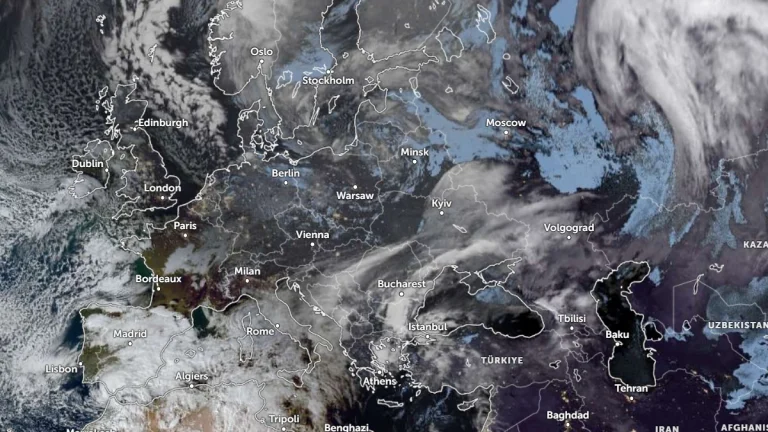
• Arctic cold blast expands across Europe as Greenland block steers polar air south

    An Arctic cold wave is moving across Europe as a persistent Greenland block redirects polar air southward. Forecast models show temperature anomalies between −10°C and −15°C (14°F and 5°F) at 850 hPa with extensive snow cover developing over much of the continent, with heavy snow already affecting parts of the UK and Balkans at the start of January 2026.

  • Final polar vortex collapse of the season begins

    The final polar vortex collapse of the 2024–25 winter season has begun with one of the strongest sudden stratospheric warming (SSW) events being forecast to develop and bring late-season cold to much of the U.S.

  • Major winter storm targets Midwest to Great Lakes with heavy snow and blizzard conditions, U.S.

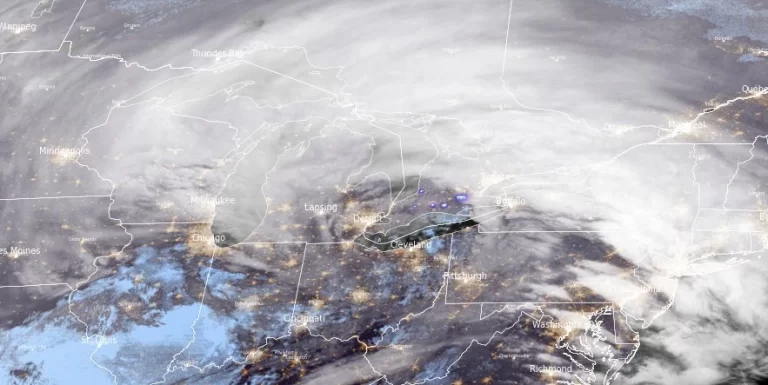
    A powerful winter storm is set to bring heavy snow, strong winds, and blizzard conditions across the Midwest to the Great Lakes through Saturday, January 13, 2024. Following this storm, dangerously low temperatures are forecasted for the Rockies and Plains. This storm system is part of the same weather pattern that caused significant disruptions in southern Ontario, Canada.

  • U.S. faces first major Arctic outbreak of winter, dangerously cold wind chills expected

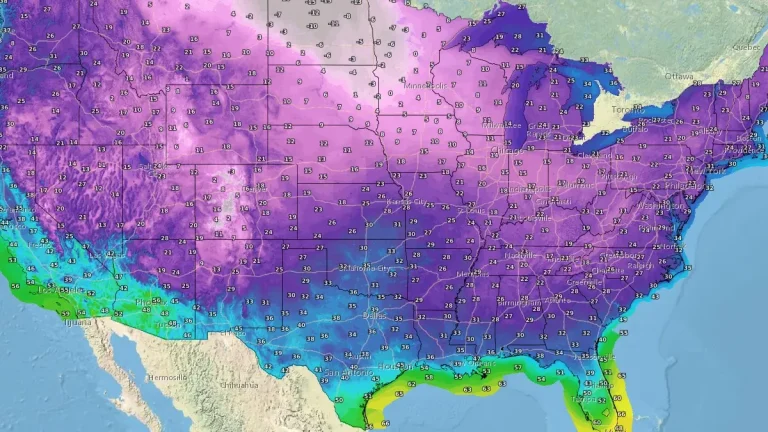
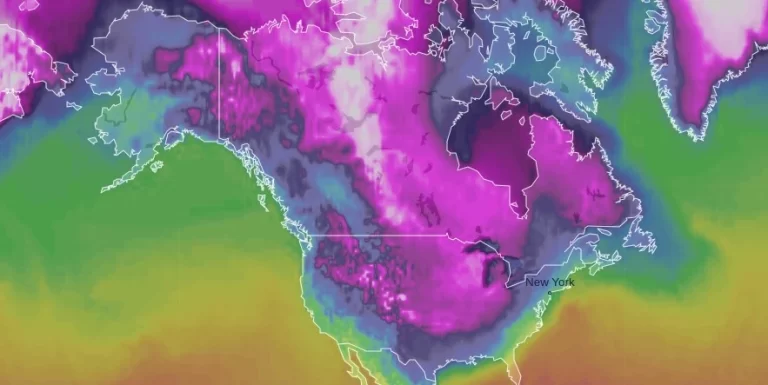
    The United States is bracing for its first significant Arctic air outbreak of the winter, impacting the north-central region with bitterly cold wind chills and extending through the weekend. The northern Rockies and Plains are particularly at risk, with the Arctic surge also expected to bring record-breaking cold to the south-central U.S.

  • Finland records coldest January temperature since 2006

    Finland experienced its coldest January temperature since 2006 when Enontekiö Airport registered -42.4 °C (-44.3 °F) on January 4, 2024. The severe cold is not isolated to Finland, as nearby regions in Sweden and Norway have also reported record-low temperatures, indicating a widespread Arctic chill across the Nordic countries.

  • Widespread Arctic air outbreak anticipated across much of the U.S. through mid-January

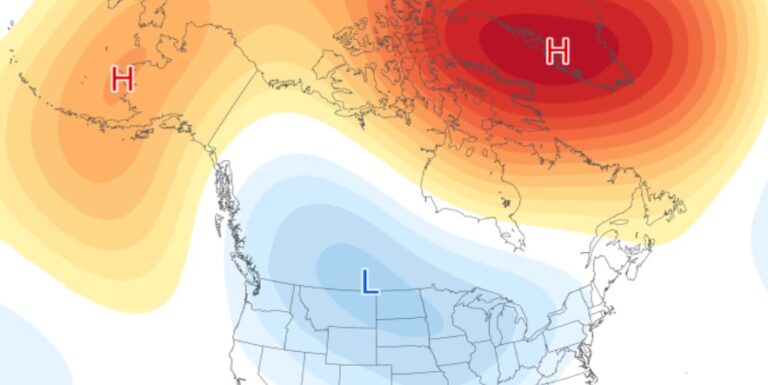
    The United States is bracing for a widespread cold air outbreak, anticipated to affect much of the lower 48 states through mid-January due to a strong mid-level high pressure over Greenland and the negative Arctic Oscillation phase. Expected severe conditions include sub-zero temperatures and wind chills, widespread wintry precipitation, and potential flooding along the Eastern Seaboard.