• Satellite data confirm Southern Ocean has entered a new physical state

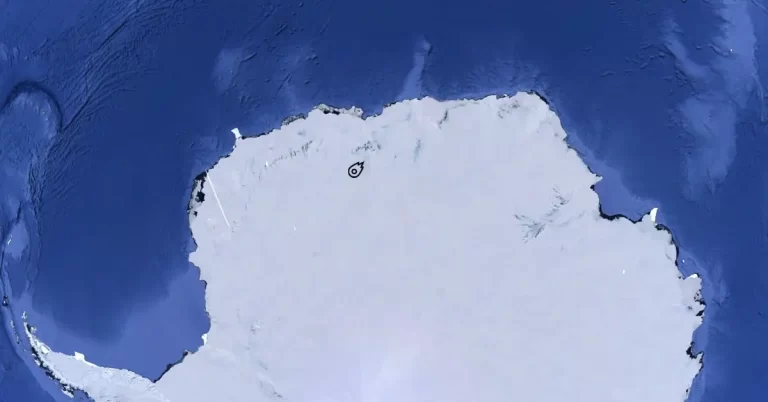
    A study published in the journal Proceedings of the National Academy of Sciences (PNAS) has revealed a significant shift in the Southern Ocean’s surface conditions. This shift is marked by a rapid increase in surface salinity and a corresponding decline in Antarctic sea ice extent. Based on satellite and ocean float data, the findings indicate that the Southern Ocean may have entered a new physical state not previously observed in the modern observational era.

  • The impact of atmospheric rivers on Antarctic ice sheet

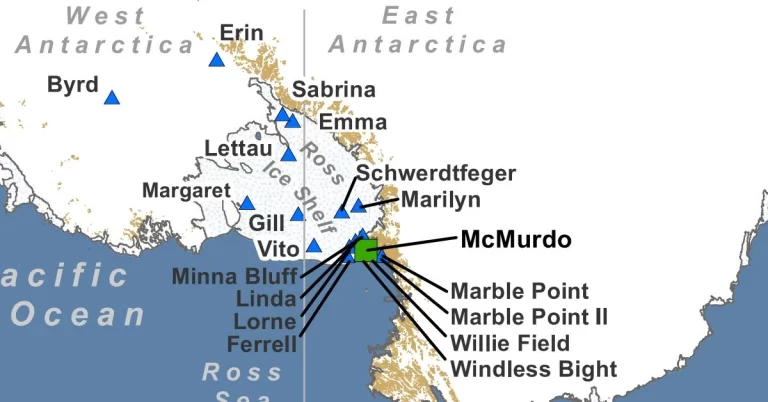
    A recent study analyzing data from 1980 to 2020 found that atmospheric rivers (ARs), though infrequent, have accounted for up to 70% of extreme snowfall events in East Antarctica since the 1980s, significantly impacting the continent’s ice sheet mass balance.

  • Six new species discovered beneath Antarctic seafloor after iceberg A-84 break-off

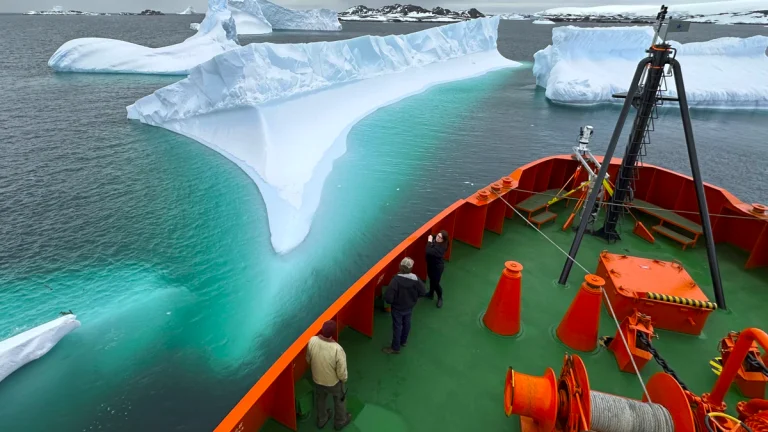
    An international team exploring the seafloor after iceberg A-84 broke off the George VI Ice Shelf in January 2025 discovered a previously unseen ecosystem, raising questions about how life adapts to some of the harshest environments on the planet. Since the area became accessible, at least six new species have been identified in the region.

  • Ozone hole over Antarctica soars to one of its largest sizes on record, Hunga Tonga eruption possible cause

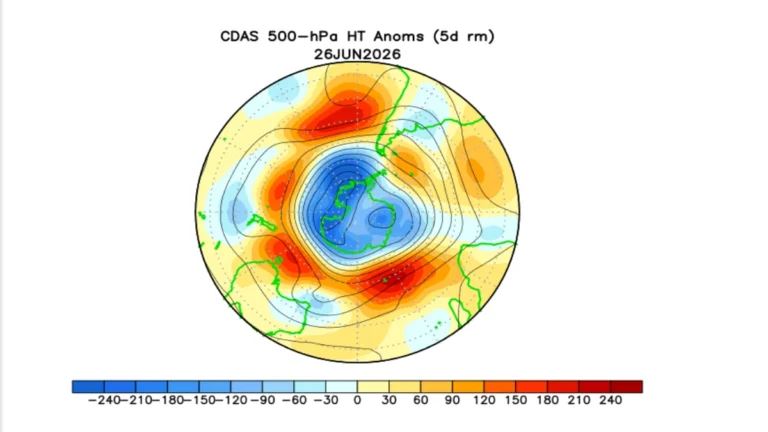
    On September 16, 2023, a significantly large ozone hole stretched over Antarctica, covering an area of 26 million km3 (10.04 million mi3), prompting a deeper look into the possible causes. The fluctuating size of the ozone hole is a yearly phenomenon, with a notable increase from August to October, and a decrease as temperatures in the southern hemisphere’s stratosphere rise towards the year’s end.