• Distinct avian influenza viruses found in Antarctic penguins

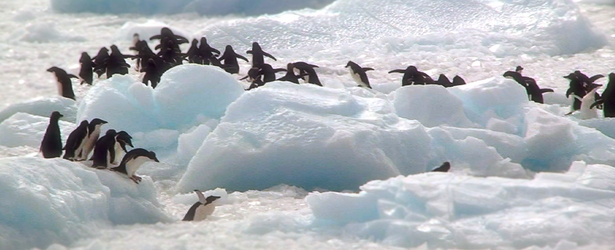
    An international team of researchers has, for the first time, identified an avian influenza virus in a group of Adélie penguins from Antarctica. The virus, found to be unlike any other circulating avian flu, is described in a study published this week in mBi
  • Today’s Antarctic region once as hot as California, Florida

    Parts of ancient Antarctica were as warm as today's California coast, and polar regions of the southern Pacific Ocean registered 21st-century Florida heat, according to scientists using a new way to measure past temperatures.The findings, published the week of A

  • Volcanoes helped species survive ice ages

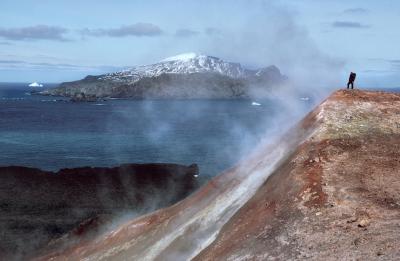
    An international team of researchers has found evidence that the steam and heat from volcanoes and heated rocks allowed many species of plants and animals to survive past ice ages, helping scientists understand how species respond to climate change.

    The research

  • Largest flood recorded beneath Antarctica mapped by CryoSat

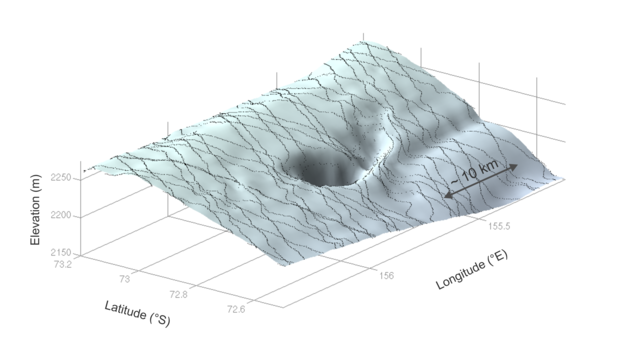
    ESA’s CryoSat satellite has found a vast crater in Antarctica’s icy surface for which scientists believe was left behind when a lake lying under about 3 km of ice suddenly drained.

    The study, published recently in Geophysical Research Letters,

  • Bedmap2 – detailed view of Antarctica’s landmass

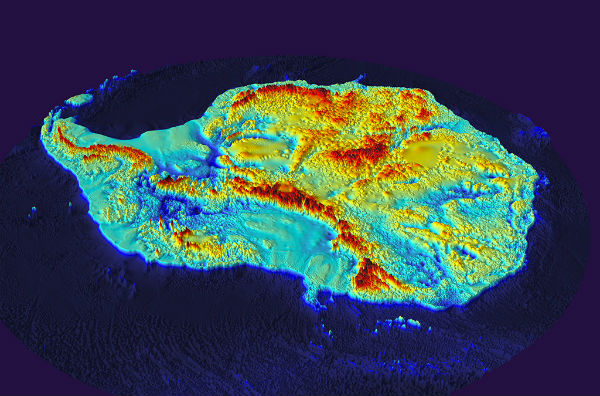
    Scientists at the British Antarctic Survey (BAS) have released the most detailed map yet of Antarctica’s landmass that allows scientists to better analyse the bed below the Antarctic ice sheet. Bedmap2 reveals a landscape of mountain ranges and plains

  • Melting glaciers alter Earth’s gravity

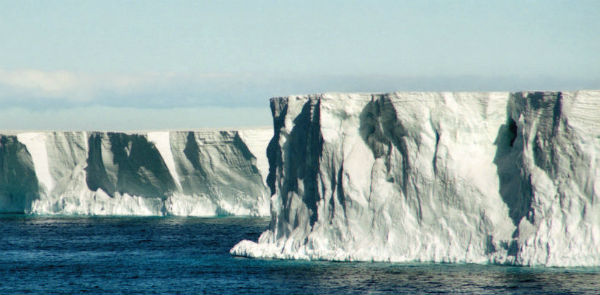
    Melting glaciers can alter Earth’s gravity field, scientists have found, a discovery that is shedding light on when Greenland and Antarctica began heavily melting. Knowing the timing of this melting could help climate scientists make better estimates of the potential

  • Study links ozone hole to climate change all the way to the equator

    In a study to be published in the April 21st issue of Science magazine, researchers at Columbia University’s School of Engineering and Applied Science report their findings that the ozone hole, which is located over the South Pole, has affected the entire circulation