• Hurricane Isaias leaves at least six dead, hundreds of thousands without power after Florida landfall

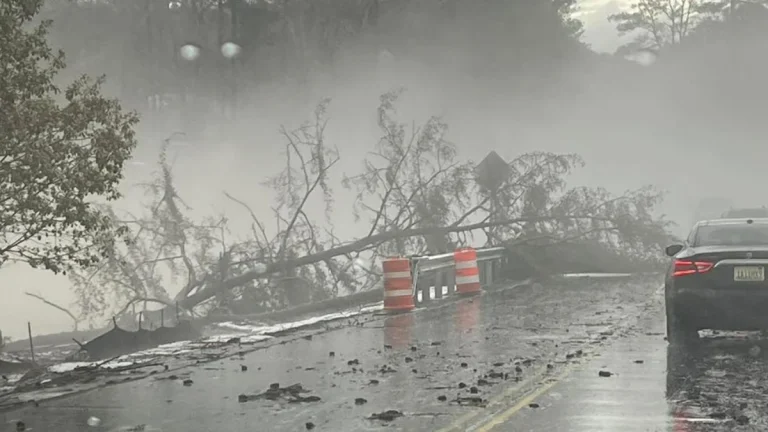
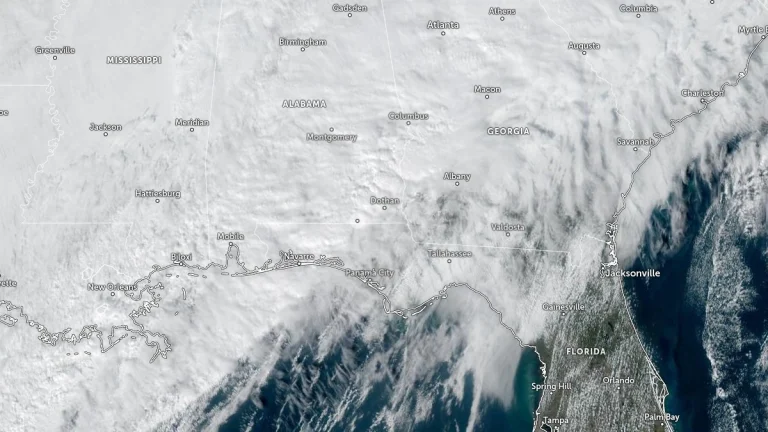
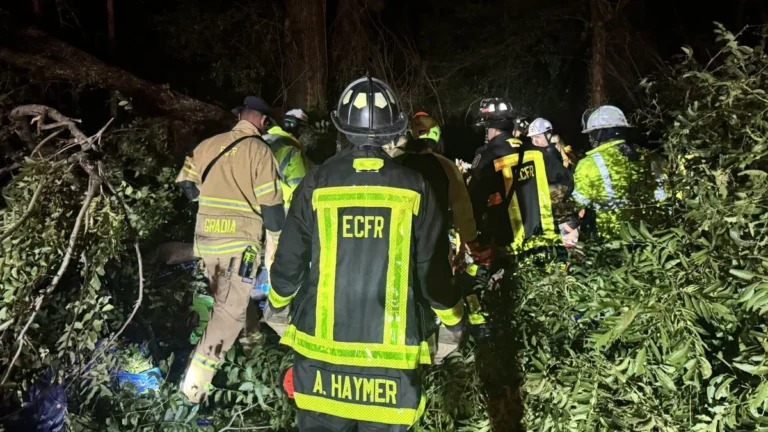
    At least six people died after Hurricane Isaias made landfall near Destin, Florida, as a Category 2 hurricane at about 20:30 LT on October 9 (01:30 UTC on October 10). Approximately 408 000 customer accounts remained without power across Florida, Alabama, Georgia and Mississippi shortly before 13:00 UTC on October 11, while the post-tropical cyclone continued producing flooding and wind hazards farther northeast.
  • Flood Watch issued for northeastern Florida as AL92 raises late-week Gulf Coast rainfall threat, U.S.

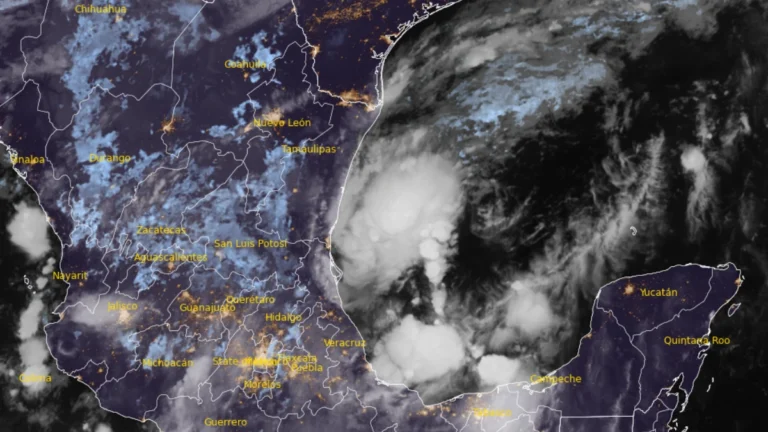
    A Flood Watch is in effect for northeastern Florida and Camden County, Georgia, from 10:00 to 20:00 EDT (14:00 UTC October 6 to 00:00 UTC October 7), with the National Weather Service (NWS) forecasting locally 76–127 mm (3–5 inches) of rain. The Weather Prediction Center (WPC) maintains a Marginal Risk of excessive rainfall across much of Florida through Thursday, while a broader heavy-rain threat is forecast along the northern Gulf Coast from Friday as disturbance AL92 moves northeastward and interacts with an upper-level trough.

  • Heat Advisories span 12 states from Texas to Indiana, heat index up to 46°C (114°F) forecast

    Heat Advisories issued by 16 National Weather Service (NWS) forecast offices cover portions of 12 U.S. states from September 14 through September 16, 2026, with heat index values forecast to reach 46°C (114°F) in southern Texas. The advisories extend from Texas and Oklahoma through the Lower Mississippi Valley and Mid-South into Indiana and Kentucky.

  • Flood threat expands along Gulf Coast as Potential Tropical Cyclone One nears Louisiana

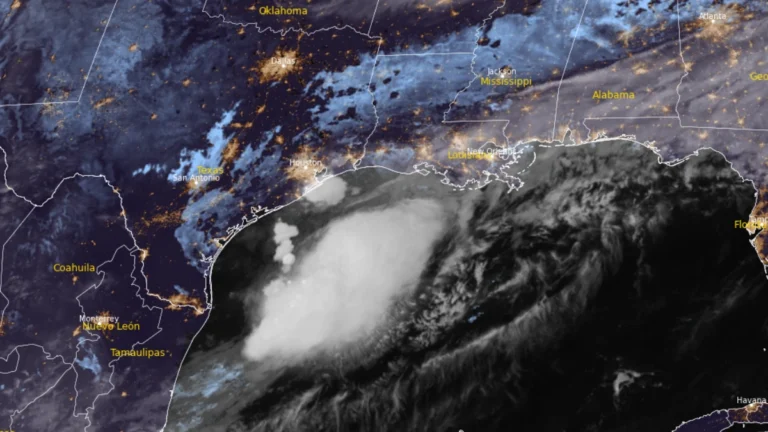
    Heavy rainfall, flash flooding, storm surge, and isolated tornadoes are expected across portions of the Gulf Coast as Potential Tropical Cyclone One tracks along the Texas coast on June 17, 2026. While the system is unlikely to develop into a tropical cyclone, it could bring rainfall totals of up to 500 mm (20 inches) to some areas along with the severe weather.

  • Enhanced Risk of severe thunderstorms from Louisiana through Mississippi into Alabama on May 6

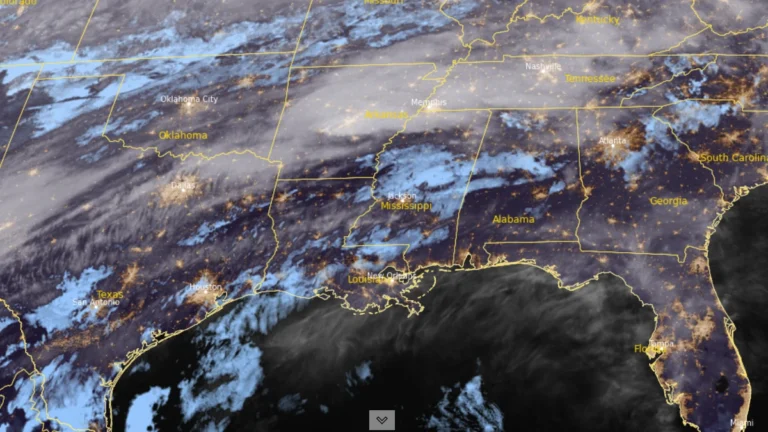
    An Enhanced Risk (Level 3/5) of severe thunderstorms has been issued for parts of the Lower Mississippi Valley on May 6, 2026, as forecasters warned that storms capable of producing damaging winds, large hail, and tornadoes are expected to develop from the Southern Plains into the Southeast. Heavy rainfall rates of 25 to 50 mm (1 to 2 inches) per hour may also accompany stronger storms across the region.

  • Enhanced Risk of severe thunderstorms issued for northern Texas into lower Mississippi Valley

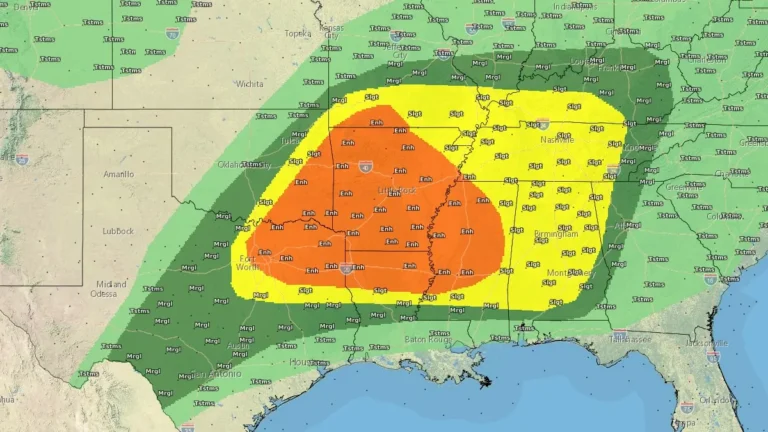
    Severe thunderstorms and heavy rainfall are forecast across parts of northern Texas into the lower Mississippi and Tennessee Valleys on April 28, 2026, with an Enhanced Risk issued for parts of the region. Very large hail, damaging winds, and a few tornadoes are to be expected, while repeated storm activity may increase the risk of flash flooding.

  • Red Flag Warnings issued from the Plains to the Southeast under critical fire weather conditions

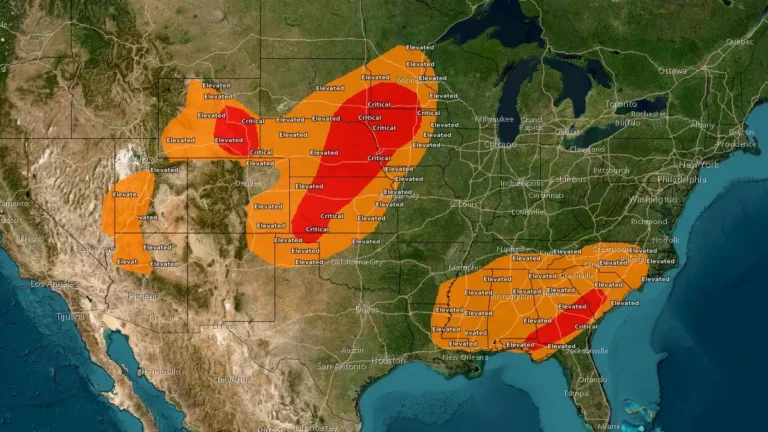
    Red Flag Warnings are in effect across the Central Plains and Southeast United States on March 28, 2026, as the National Weather Service (NWS) warns of critical fire weather conditions driven by strong winds, low relative humidity, and dry fuels. Wind gusts up to 80 km/h (50 mph) and humidity levels as low as 10–20% are expected to promote rapid fire ignition and spread. Outdoor burning is strongly discouraged across all warned regions.

  • Freeze Warnings and Watches issued across parts of Texas, Oklahoma, Arkansas, Louisiana, Mississippi, Alabama, Missouri, and Tennessee

    Freeze Warnings and Watches have been issued for parts of eight southern U.S. states as sub-freezing temperatures are forecast from March 16 into March 17, 2026. Temperatures could fall as low as −12°C (10°F) in the coldest parts of Arkansas, while many other areas are expected to bottom out in the −7°C to −2°C (19 to 28°F) range. Frost, freeze conditions, and gusty post-frontal winds may damage sensitive vegetation and, in the coldest areas, affect exposed outdoor plumbing.

  • Confirmed tornado damages multiple homes in Pinson, Alabama

    A confirmed tornado touched down in Jefferson County, Alabama, on February 26, 2026, damaging multiple homes in the Pinson area. Severe thunderstorms moved across parts of northern and central Alabama, bringing strong winds and large hail to Jefferson, St. Clair, Blount, and Calhoun counties, along with strong, damaging winds.

  • EF-2 tornado hits downtown Geneva, Alabama, strongest since December 2000

    An EF-2 tornado struck the city of Geneva in southeastern Alabama during the evening of January 25, 2026, causing structural damage across parts of the city and nearby areas. The tornado was confirmed by the National Weather Service following a damage survey completed on January 26 and was rated EF-2 – strong enough to cause roof damage, snapped trees, and power disruptions.