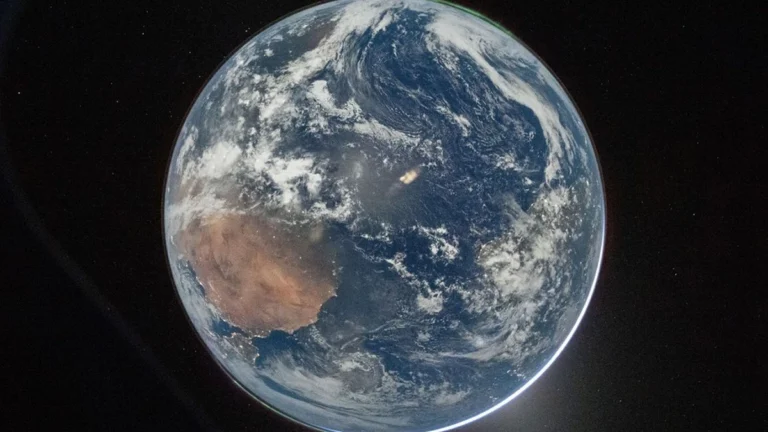
• Earth has a second planetary symmetry, maintained by a hidden balance of clouds

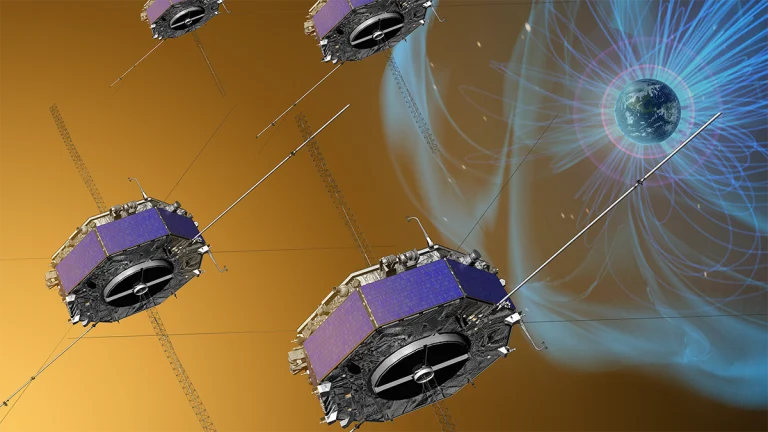
    Earth’s eastern and western hemispheres reflect almost exactly the same amount of sunlight despite being dominated by very different cloud systems, land masses, and ocean basins. A new study has identified a previously unknown planetary symmetry centered on 27° E longitude, revealing a new large-scale feature of Earth’s climate system and a phenomenon that many current climate models fail to reproduce.
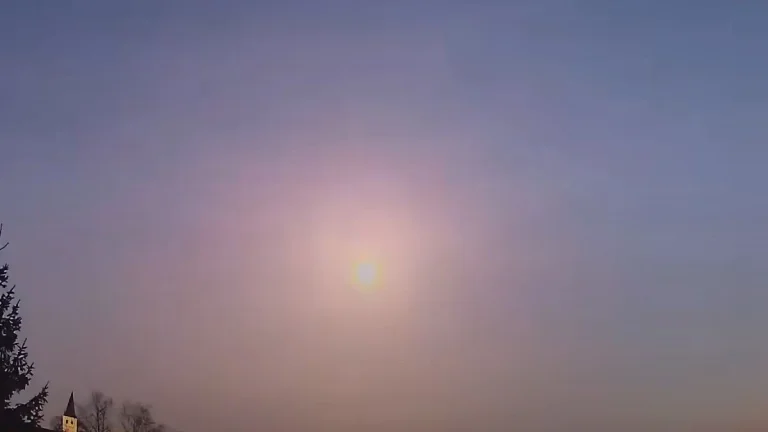
  • Extensive AMS analysis of Q1 2026 fireball surge raises questions about the near-Earth meteoroid environment

    A measurable increase in large fireball events was recorded during the first quarter of 2026, and the strongest evidence for that shift comes from a new analysis by the American Meteor Society (AMS), which reviewed its fireball database back to 2011 and focused on Q1 patterns during the mature reporting era of 2021–2026. Their main…

  • Sugars from asteroid Bennu complete the extraterrestrial inventory for life’s building blocks

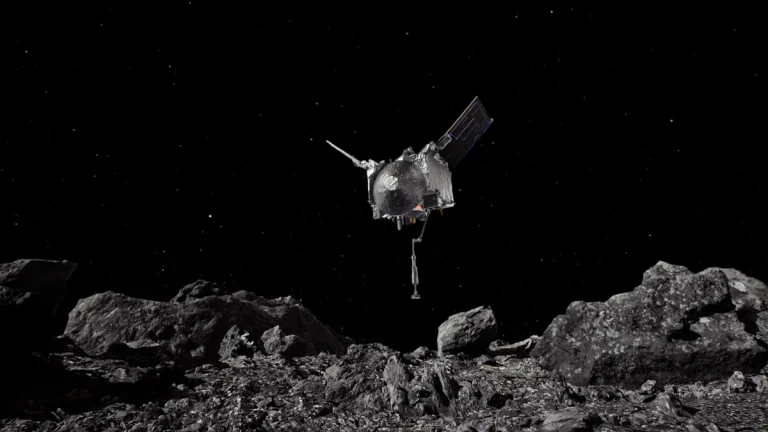
    Scientists have confirmed that asteroid Bennu contains ribose, glucose, and other foundational sugars of life — the final missing pieces of prebiotic chemistry beyond Earth. The discovery shows that the building blocks of RNA and metabolic energy were present in the early solar system, strengthening the view that life’s chemistry began as a cosmic process rather than a strictly terrestrial one.

  • Hidden magma pathway revealed by 2025 Santorini crisis

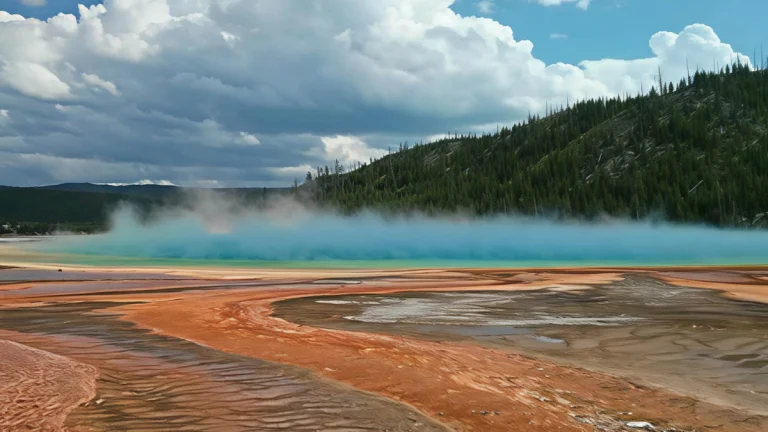
    An intense earthquake swarm shook the Santorini–Amorgos region of Greece beginning on January 27, 2025, lasting about 45 days and producing more than 16 000 tremors between 5–15 km (3–9 miles) below the seafloor. A joint seismological study has revealed that the 2025 Santorini crisis was not a typical tectonic swarm. It was the signature of magma moving through a hidden corridor connecting the Santorini and Kolumbo volcanoes, two of the most active systems in the eastern Mediterranean.

  • Earth’s largest ocean current may be shifting north again

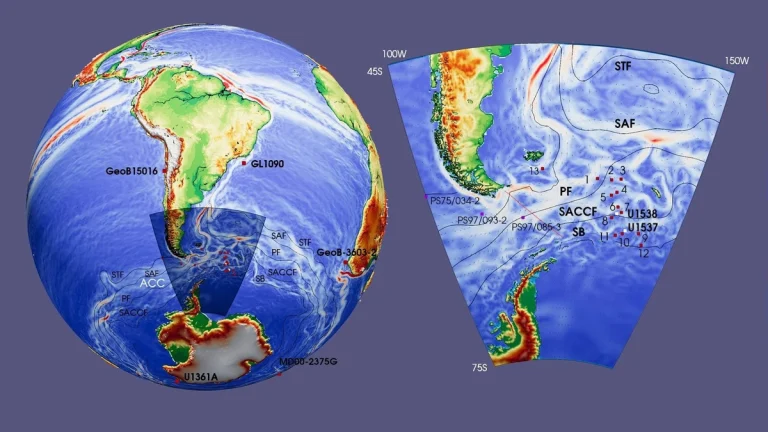
    A study published in Nature Communications on October 6, 2025, by an international team of 36 scientists from five countries led by Prof. Xufeng Zheng of Hainan University reveals that the Antarctic Circumpolar Current once flowed hundreds of kilometers further south and may now be slowly shifting north under natural orbital cycles.

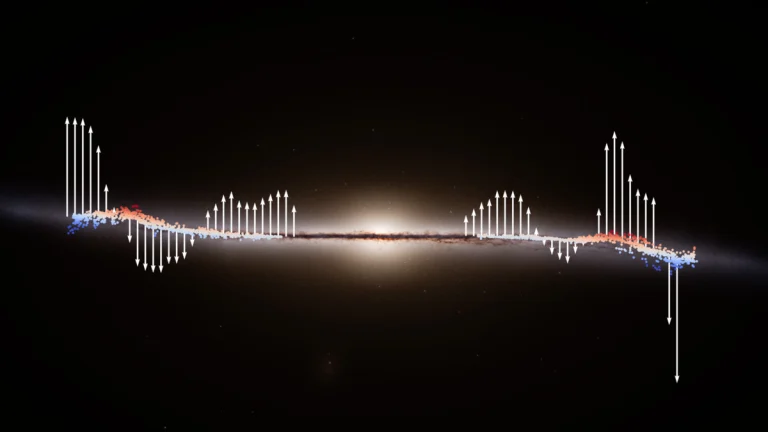
  • Gaia discovers giant stellar wave rippling outwards from Milky Way’s center

    ESA’s Gaia mission revealed a massive stellar wave rippling outwards from the center of the Milky Way’s disc and spanning up to 65 000 light-years. The discovery could reshape how astronomers understand the forces shaping stars and gas on galactic scales.

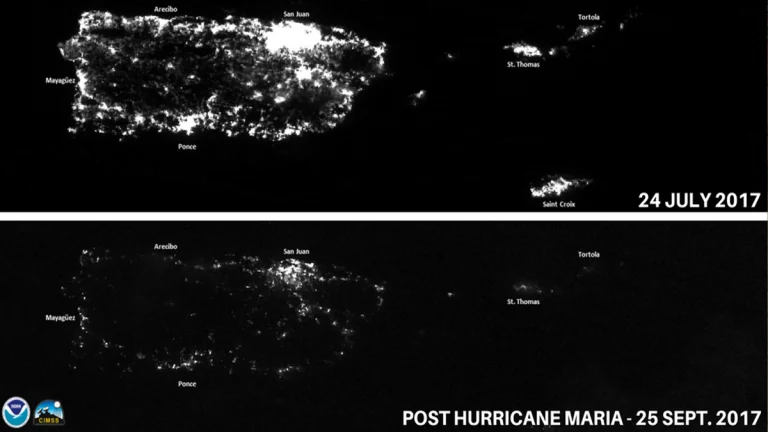
  • Impact of prolonged power outage on excess deaths in Puerto Rico after Hurricane Maria

    Hurricane Maria made landfall near Yabucoa, Puerto Rico, at 10:15 UTC (06:15 LT) on September 20, 2017, leaving 2 975 excess deaths and causing the longest blackout in U.S. history. The storm showed how fragile infrastructure can turn a natural hazard into a mass-casualty disaster. With the grid collapsed for months, hospitals faltered, medicines spoiled, and thousands died not from winds or floods but from the blackout’s cascading effects.