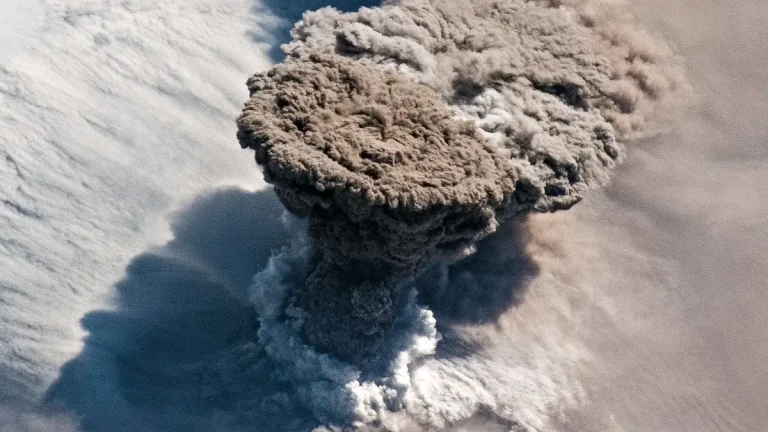
• What the Toba super-eruption 74 000 years ago reveals about human survival

    The Toba super-eruption in present-day Indonesia about 74 000 years ago ejected 2 800 km3 (672 mi3) of ash and formed a 100 x 30 km (62 x 18 miles) wide caldera. Once thought to have nearly wiped out our species, evidence now shows that resilience and adaptability, not collapse, defined humanity’s survival.
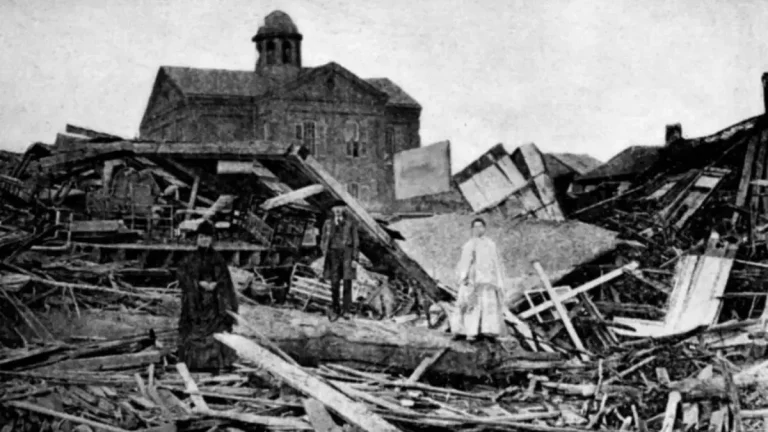
  • 125 years since the 1900 Galveston Hurricane, the deadliest natural disaster in U.S. history

    A major hurricane struck Galveston Island, Texas, on September 8, 1900, exactly 125 years ago, producing a catastrophic storm surge and winds that killed an estimated 6 000–12 000 people and destroyed much of the city. In less than 24 hours, Galveston changed from a thriving port city into a flattened landscape of wreckage. It remains the deadliest natural disaster in U.S. history.

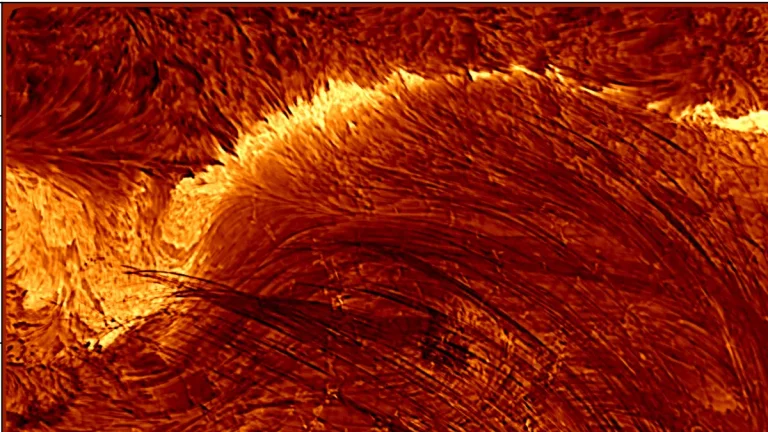
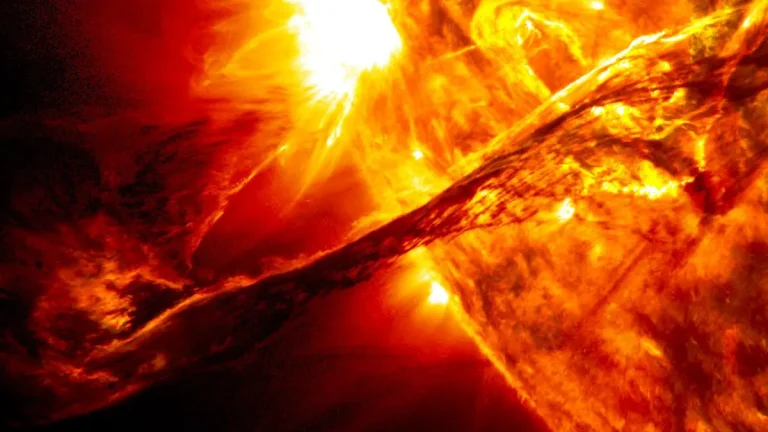
  • The Carrington Event of 1859 – Strongest geomagnetic storm in recorded history

    On September 1, 1859, British astronomer Richard Carrington observed a sudden flash of light erupting from a group of sunspots. Less than 24 hours later, Earth was struck by the most powerful geomagnetic storm in recorded history. Telegraph systems failed, auroras spread across the globe, and the event became known as the Carrington Event.