• Massive movement of tree species

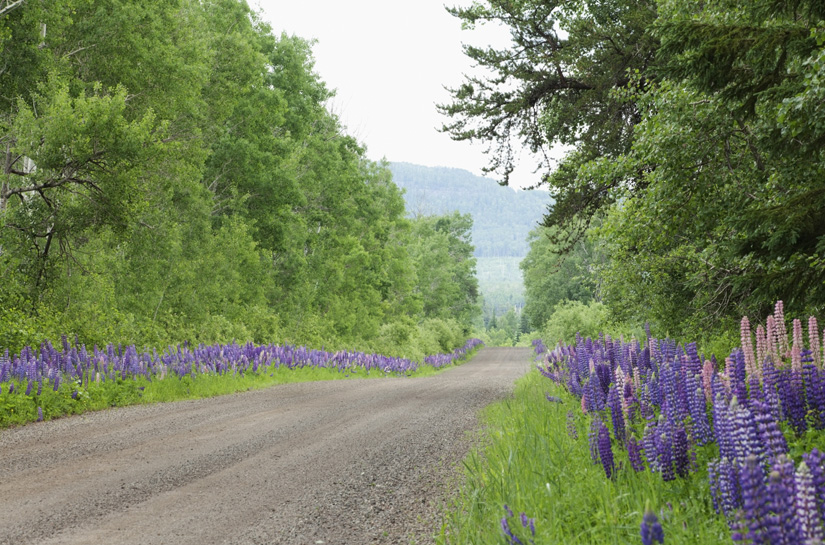
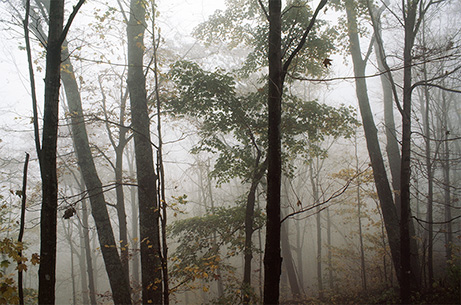
    Global warming, insect attack, diseases and fires caused a huge “migration” of trees across much of the West. Many tree species are projected to decline or die out in regions where they have been present for centuries, while others move in and replace them. In an
  • Seaweed moves south as ocean warms

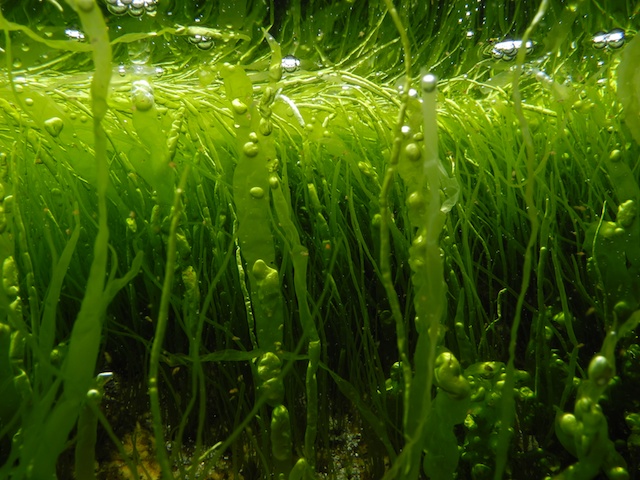
    A new study by marine ecologist Dr Thomas Wernberg, of the University of Western Australia and colleagues reveals that swathes of Australia’s seaweed are shifting south to escape warming oceans, and many risk going extinct.  Their findings are published in Current

  • Papua New Guinea deforestation at critical level

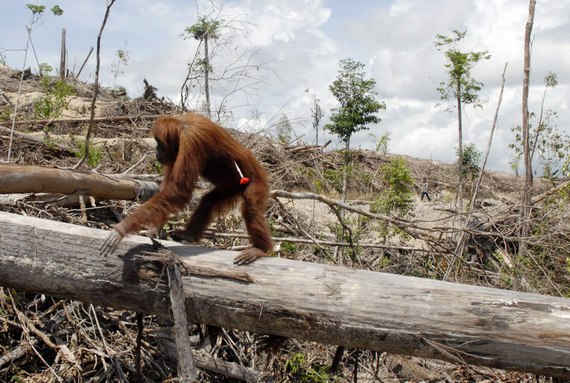
    More than half trees in Papua New Guinea could be lost by 2021, according to a new satellite study of the region. The University of Papua New Guinea and the Australian National University conducted the stady that  found that deforestation is much more widespread

  • Bermuda Triangle to become humpback whale sanctuary

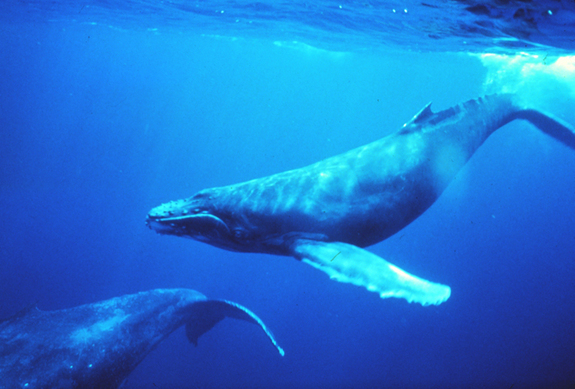
     The National Oceanic and Atmospheric Administration (NOAA) recently announced a letter of intent signed by the Bermuda Department of Environmental Protection to establish a sister sanctuary to NOAA’s Stellwagen Bank National Marine Sanctuary for the gentle

  • Phytoplankton bloom in the Barents Sea

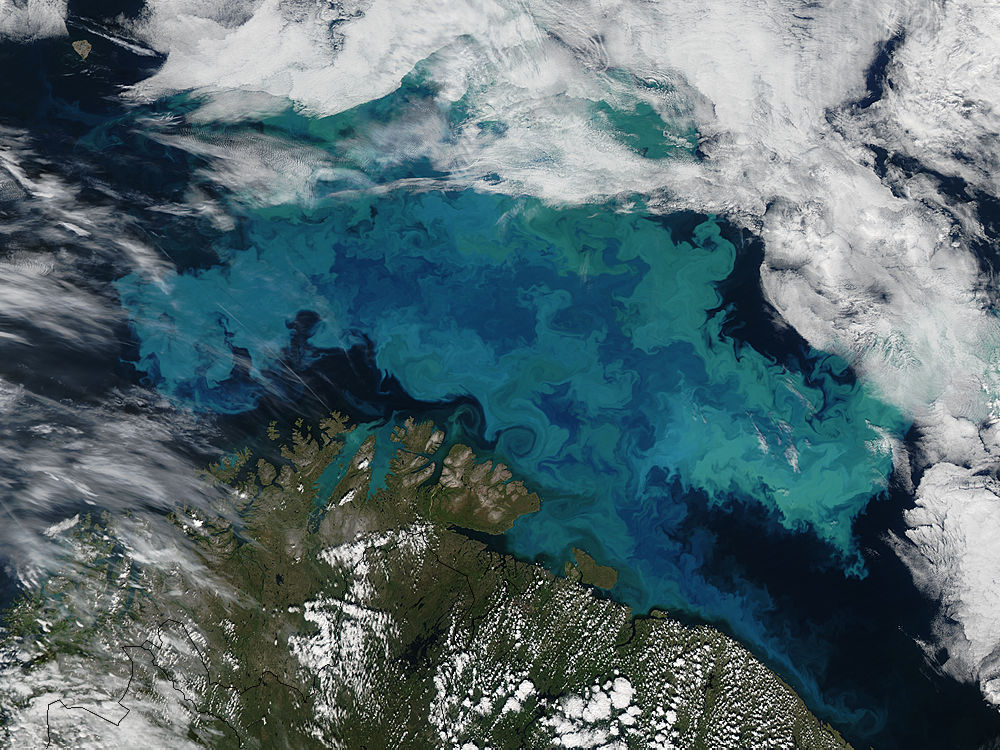
    At times nature exceeds the ability of the artist’s brush to blend brilliant colors, interweave textures and combine patterns to create stunning panoramas, while using only the palette of land, water, cloud and vegetation. This stunning and artistic image of a

  • New coral map ranks reefs most at risk

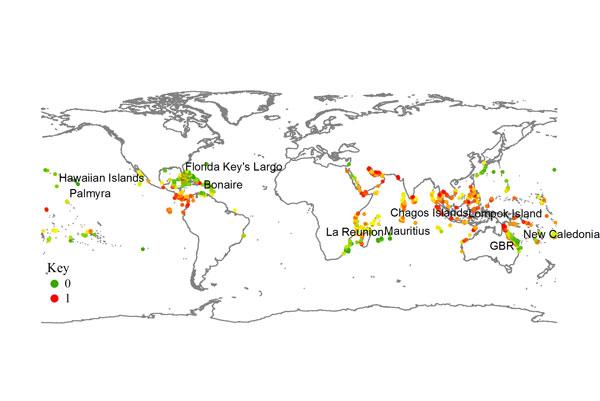
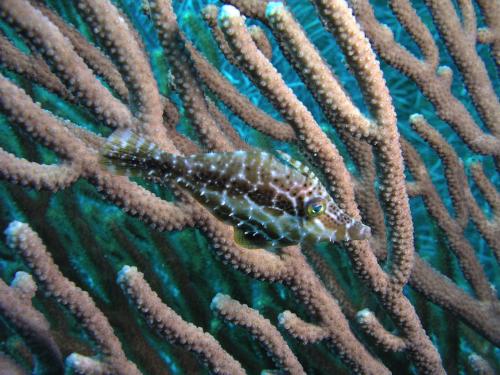
    The world’s coral reefs face a multitude of threats, from rising ocean temperatures to overfishing. A new map aimed at aiding coral conservation has been developed that points out the reefs that are most and least at risk.The map, and the study that led to it, say

  • Cold snap triggered massive coral die-off

    While warming seas are a leading cause in the decline of the world’s coral reefs, U.S. researchers have discovered cold temperatures can be just as devastating.Scientists are the University of Georgia conducted a study of coral reefs in the Florida Keys following an