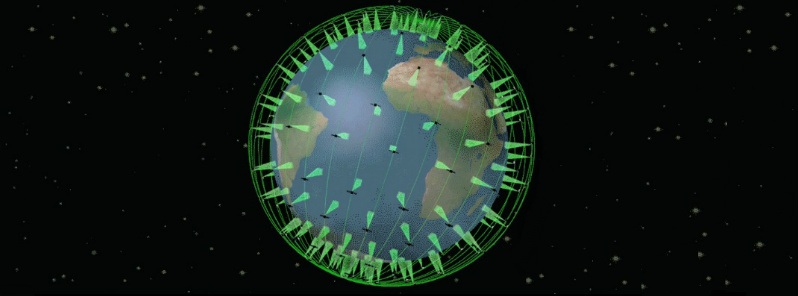
• FireSat – the ultimate orbital global wildfire coverage

    The detection of wildfires is the first step in combating them, so it is crucial to people's lives and property to be able to respond to them as quickly as possible. For this reason, NASA's Jet Propulsion Laboratory in California is putting a lot of effort…

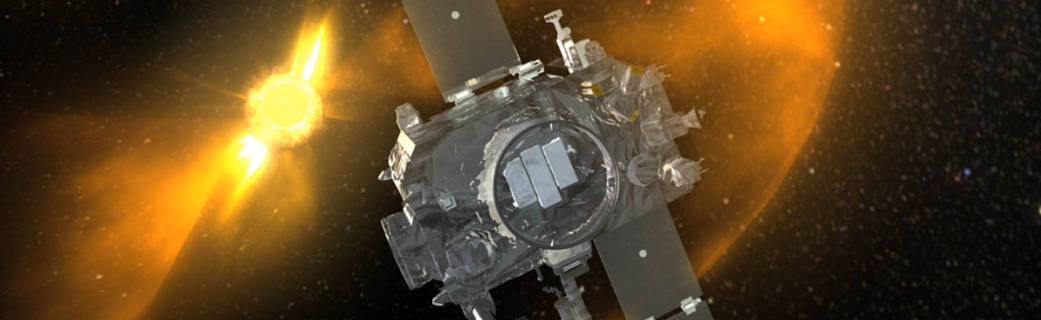
  • STEREO-A solar observatory resumes normal operations

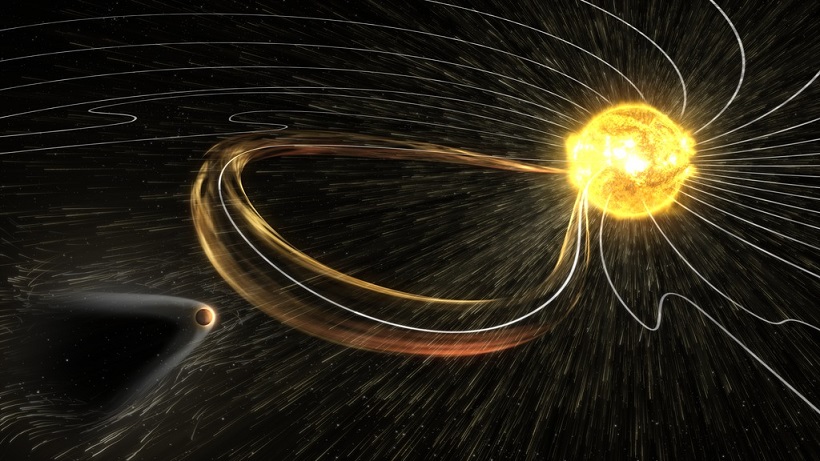
    As of November 17, NASA’s STEREO-A spacecraft (Solar and Terrestrial Relations Observatory Ahead), has once again resumed its science operations and began transmitting data at its full rate. For the previous year, STEREO-A was transmitting only a weak signal,…

  • New Horizons recent Pluto flyby yields numerous exciting discoveries

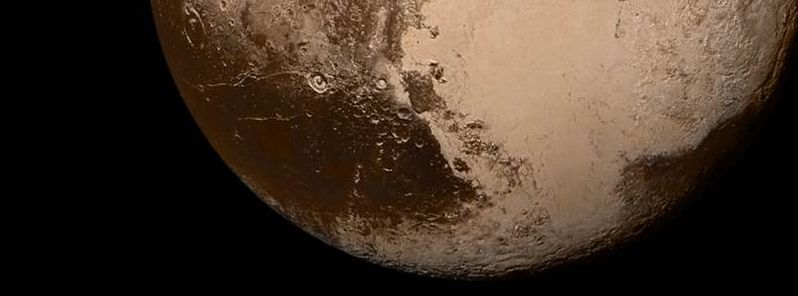
    NASA's New Horizons science team gathered on the 47th Annual Meeting of the American Astronomical Society's Division for Planetary Sciences in National Harbor, Maryland, taking place from November 8 to 13, 2015, to discuss numerous exciting discoveries that…

  • 15 years of continuous habitation aboard the ISS

    Today, November 2, 2015 marks 15 years of continuous habitation aboard the International Space Station (ISS). Expedition 1, the first station crew, docked on November 2, 2000 after launching two days earlier inside the Russian Soyuz TM-31 rocket from the Baikonur…

  • Black hole experiences massive X-ray flare

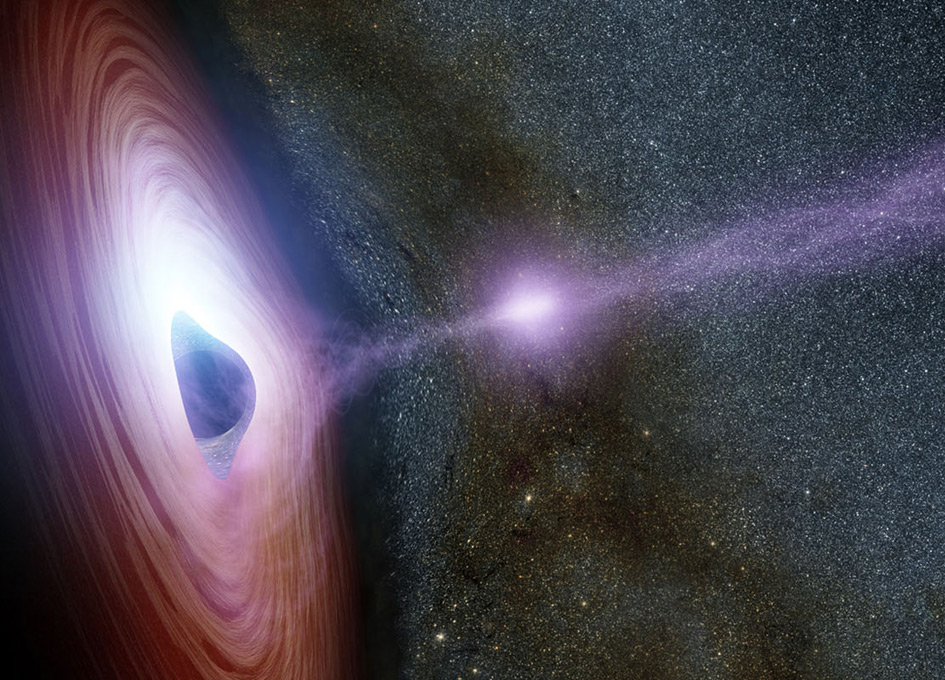
    Black holes have always been one of the most mysterious and awe inspiring objects in space. Astronomers have known for some time that black holes periodically emit very powerful flares into space. New observations from NASA's Explorer missions Swift and the…

  • First raw image from Enceladus’ October 28 flyby now available

    First image of Saturn's moon Enceladus has been received from the Cassini spacecraft, NASA reported on October 30, 2015. NASA's Cassini spacecraft was scheduled to perform its deepest-ever dive through the icy plume of Saturn's moon Enceladus on October…