• Phobos-Grunt reentry scheduled for January 14

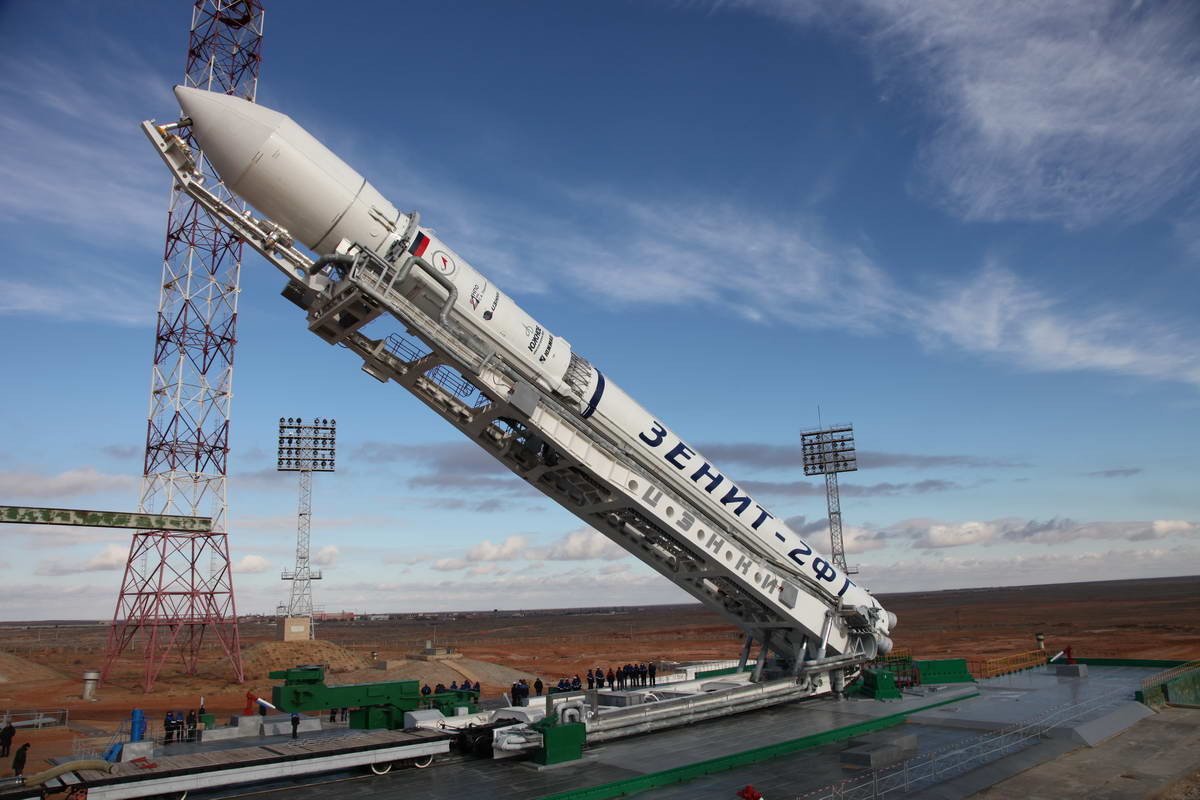
    Russia’s Phobos-Grunt spacecraft will fall “unofficially” on January 14th, somewhere between 30.7 degrees north and 62.3 degrees east, placing debris near the city of Mirabad, in southwestern Afghanistan. RiaNovosti said this prediction is according to the United

  • GOES-15 replaces GOES-11 as the operational GOES-West satellite

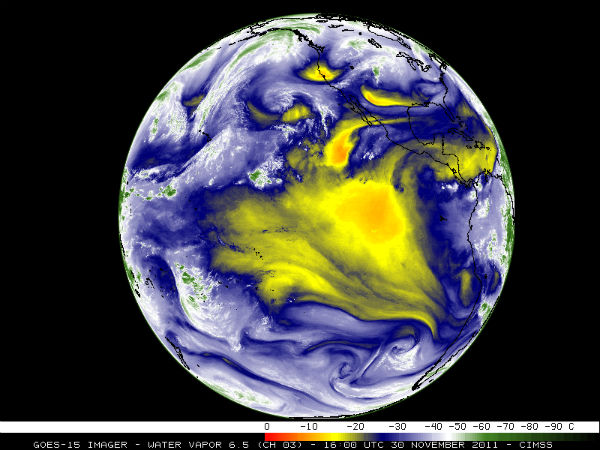
    For all our readers that use satellite images CIMSS Satellite blog announced today that at 15:46 UTC on 06 December 2011, GOES-15 replaced GOES-11 as the operational GOES-West satellite. GOES-11 (launched in 2000, and operational since 2006) was one of the older

  • No hope for Phobos-Grunt spacecraft – Reentry in mid-January

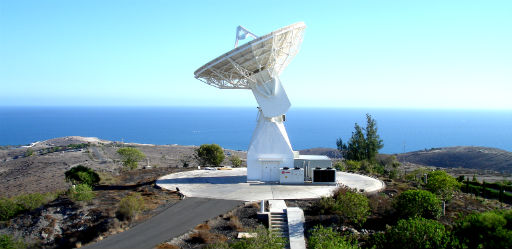
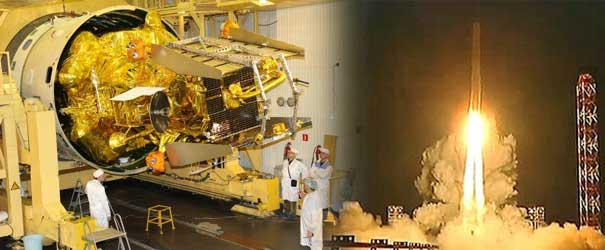
    The European Space Agency announced on Dec. 2 that it will stop trying to contact the stranded Russian Phobos-Grunt spacecraft, which has been stuck in the wrong orbit for almost a month now. So it looks like it will fall to Earth. Russia’s Phobos-Grunt probe launched

  • No response from Russian Phobos-Grunt spacecraft

    The European Space Agency will once again attempt to call the Russian Phobos-Grunt spacecraft tonight (Nov. 29), after officials received no response yesterday. The probe has been stranded in the wrong orbit since it was launched on November 8.A ground station in

  • Landsat 5 Earth observation satellite in jeopardy

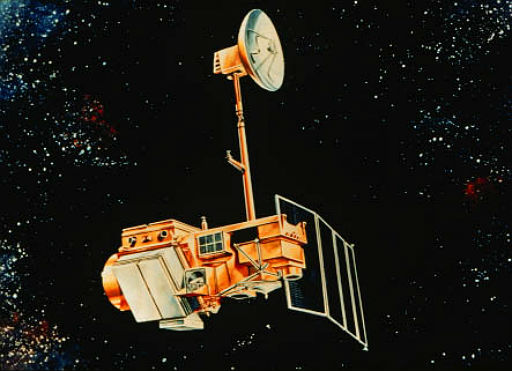
    The U.S. Geological Survey (USGS) has stopped acquiring images from the 27-year-old Landsat 5 Earth observation satellite due to a rapidly degrading electronic component.Landsat 5 was launched in 1984 and designed to last 3 years. The USGS assumed operation of

  • MSL/Curiosity looks like comet while traveling toward Mars

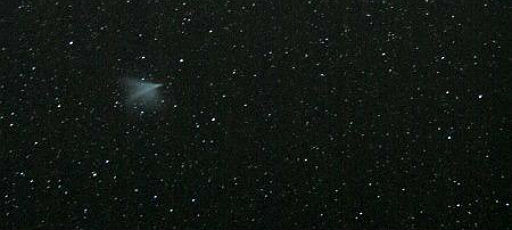
    Astronomers at the Sir Thomas Brisbane Planetarium in Australia took incredible time-lapse video . The sequence shows a plume drifting against the background stars, probably caused by venting from the Centaur rocket stage that sent the Mars Science

  • Envisat view of Earth pt.1 (Video)

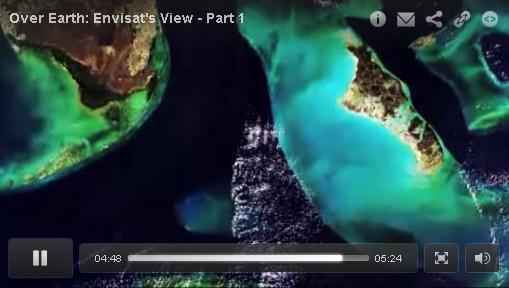
    Recently lost ENVISAT still shows no signs of “life”. While satellite observing community wait for some news lets take a look at breathtaking imagery of land and oceans by Envisat’s optical and radar instruments. The satellite is orbiting 497 miles above the