• New maps uncover amazing geological features on Ceres

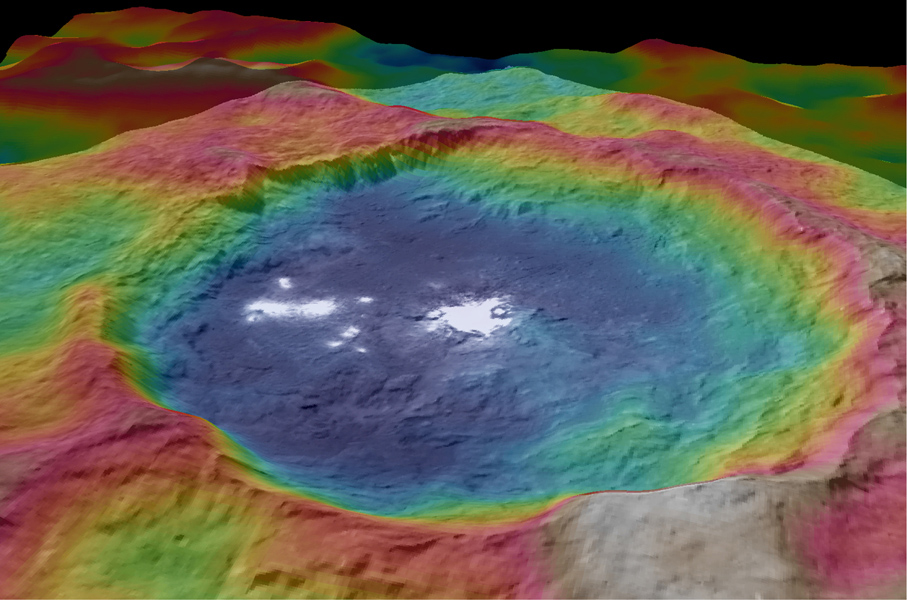
    A series of new images of Ceres have been provided by NASA's Dawn spacecraft, showing the geological features of the dwarf planet in amazing, unprecedented details. A new colored topographic map shows numerous recently approved names for various geological…

  • Asteroid Impact Mission (AIM): Deflecting asteroids to protect Earth

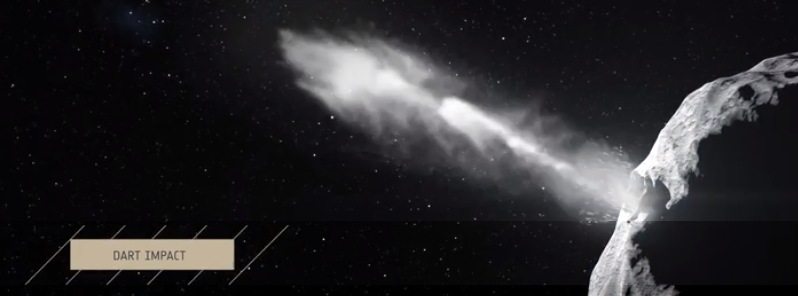
    Our planet is constantly bombarded by small asteroids that try to penetrate its protective atmosphere. The vast majority don't get through, but larger asteroids could pose a threat. Understanding better the surface and internal structure of asteroids is crucial…

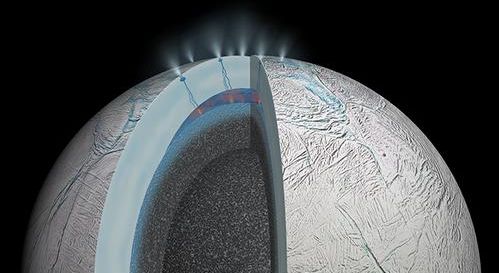
  • New research reveals a global ocean beneath Saturn’s moon Enceladus

    Scientists have discovered a global ocean underneath the icy crust of Enceladus, the geologically active Saturn's moon. The discovery has been made by using data from NASA's Cassini mission, NASA announced on September 15, 2015.Researchers have come to this conc

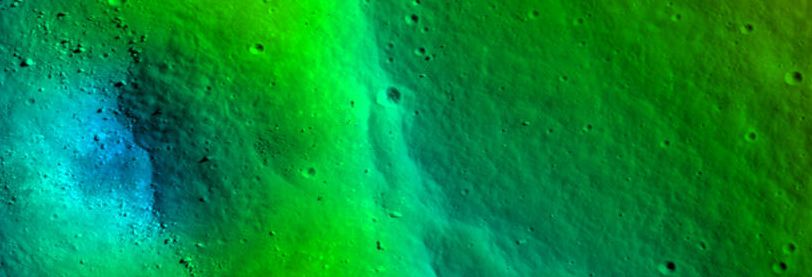
  • Earth’s gravity significantly impacts the Moon’s faults orientation

    New data obtained by NASA's Lunar Reconnaissance Orbiter (LRO) spacecraft show Earth's gravity has made a visible impact on the orientation of faults in the Moon's surface, NASA announced on September 15, 2015. LRO was launched on June 18, 2009 and has so fa

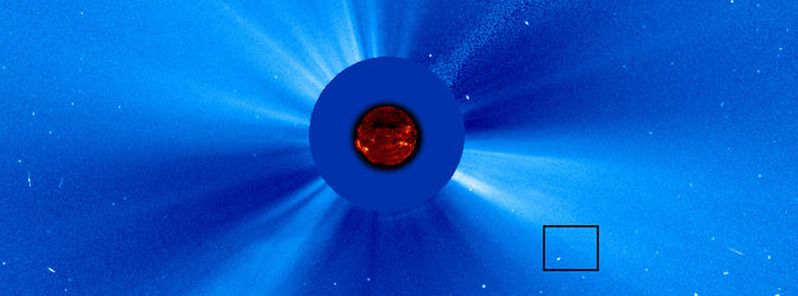
  • SOHO discovers its 3000th comet

    The Solar and Heliospheric Observatory (SOHO) detected its 3000th comet on September 13, 2015. The newest discovery confirmed SOHO's reputation for being the greatest comet finder in the history so far.SOHO is a joint project of the European Space Agency and NASA on

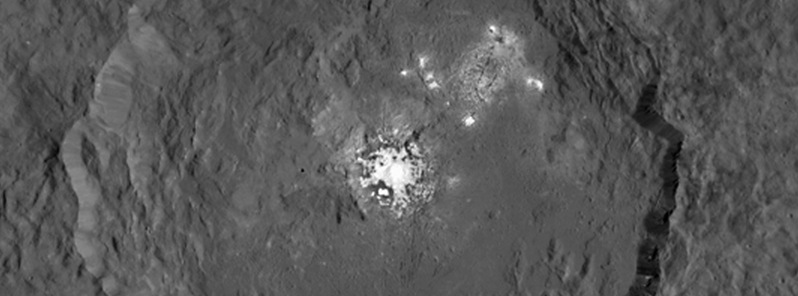
  • Bright spots on Ceres imaged in striking new detail

    NASA's Dawn spacecraft has provided new views of the dwarf planet Ceres, NASA's Jet Propulsion Laboratory (JPL) announced on September 9, 2015. The brightest spots and the closest-yet view of Occator crater has given scientists a deeper insight into these unusua

  • LADEE spacecraft confirms Moon’s exosphere contains neon

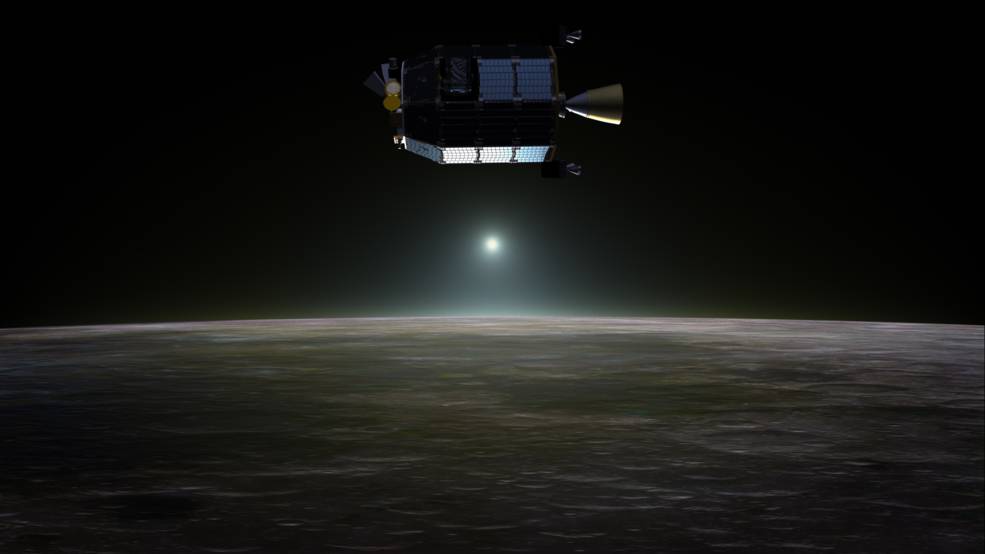
    Lunar Atmosphere and Dust Environment Explorer (LADEE) spacecraft for the first time confirmed the long-speculated assumption, the Moon's atmosphere might contain neon, a gas known for it's intense glow, and commonly used in electric signs on Earth, NASA reporte