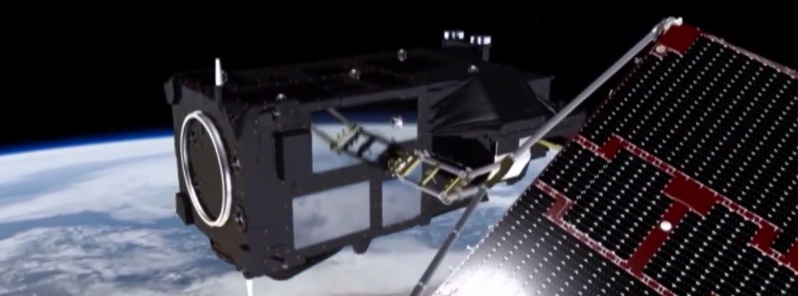
• Earth’s magnetic complexity begins to untangle – Swarm mission

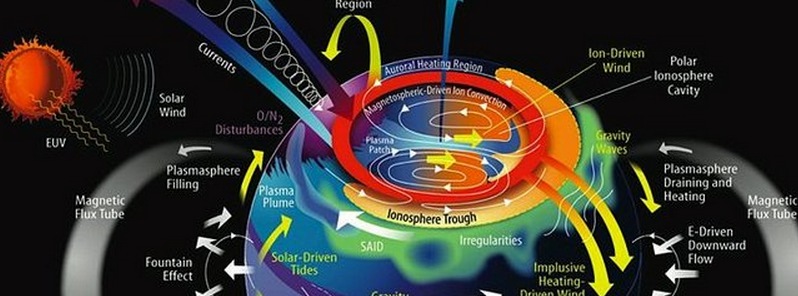
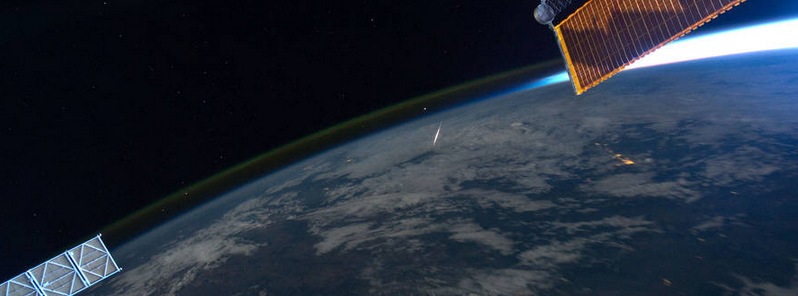
    After a year in orbit, the three Swarm satellites have provided a first glimpse inside Earth and started to shed new light on the dynamics of the upper atmosphere – all the way from the ionosphere about 100 km above, through to the outer reaches of our protective

  • DSCOVR reached its orbit around 1st Lagrange point

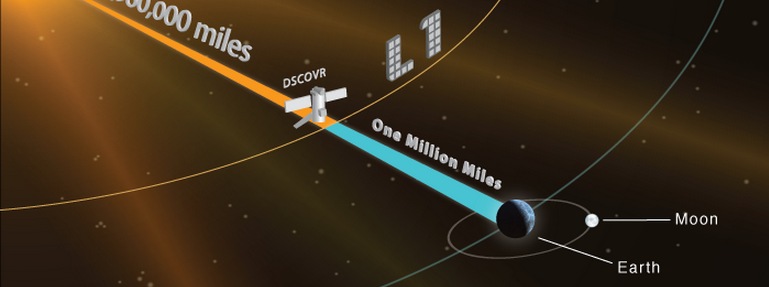
    NOAA's Deep Space Climate Observatory (DSCOVR), launched on February 11, 2015, has reached its final destination on June 7 and entered orbit around the 1st Lagrange point (L1), the neutral gravity point between the Earth and Sun, approximately 1.5 million km (~1 mil

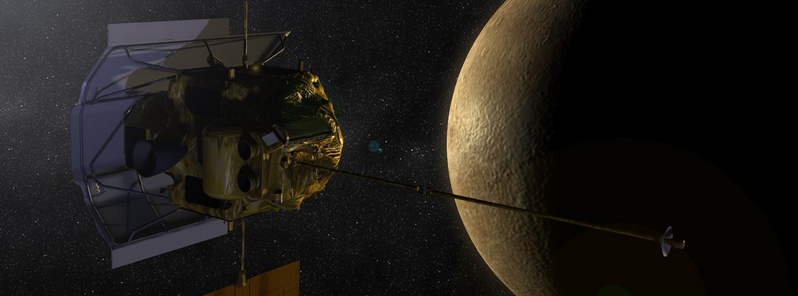
  • MESSENGER mission ends with planned impact on Mercury’s surface

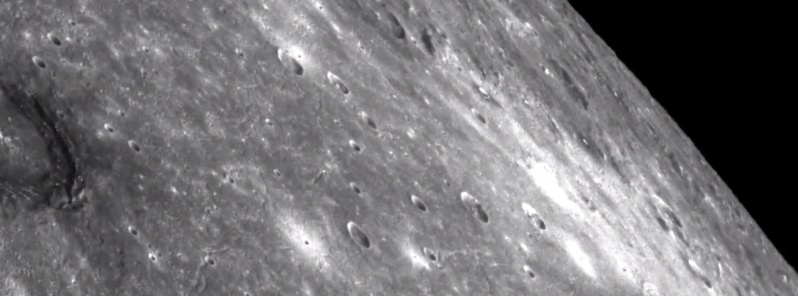
    NASA's Mercury exploration mission "MESSENGER" ended on Thursday, April 30, 2015 with a planned impact into Mercury's surface at 19:26 UTC. MErcury Surface, Space ENvironment, GEochemistry, and Ranging (MESSENGER) spacecraft impacted "Shakespeare&

  • 3D Earth observations from space

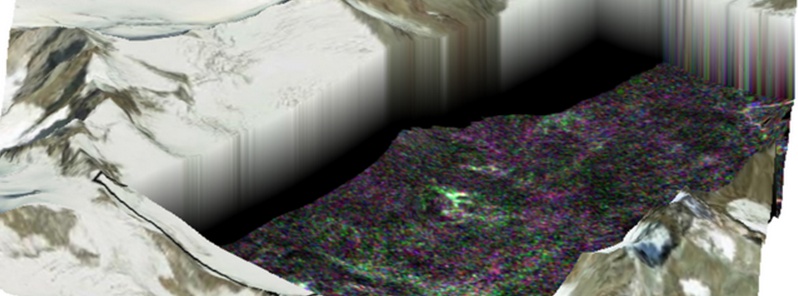
    Results from a recent field campaign, which was organised to help investigate the potential of a new Earth observation mission concept, have provided a unique 3D glimpse of the peaks and troughs under the Mittelbergferner glacier in the Austrian Alps, ESA reports today.

  • A satellite revolution in oceanography

    Plymouth is one of England’s historic port cities, a place from which sailors, soldiers and scientists have set off to sea for centuries. Today there’s a new twist to the tale though, as oceanographers now have a huge fleet of satellites in space to add to t

  • Gamma-ray spectrometer prompts researchers to rethink how Mercury formed

    A versatile instrument developed by Lawrence Livermore National Laboratory (LLNL) scientists and riding on the first spacecraft to ever orbit Mercury is causing researchers to rethink their theories on the planet’s formation.Known as the Gamma-Ray Spectrometer,

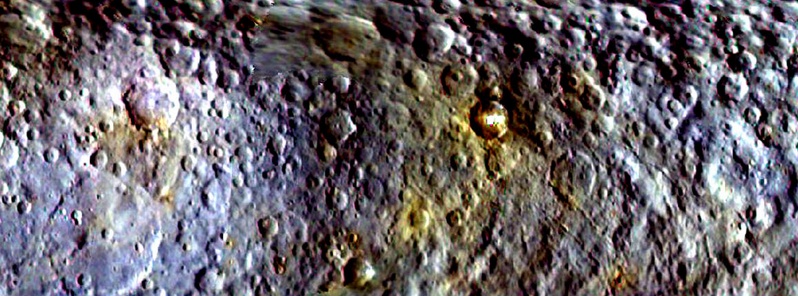
  • Dawn’s new Ceres color map reveals surface diversity

    A new color map of dwarf planet Ceres, which NASA's Dawn spacecraft has been orbiting since March 2015, reveals the diversity of the surface of this planetary body. Differences in morphology and color across the surface suggest Ceres was once an active body, Dawn

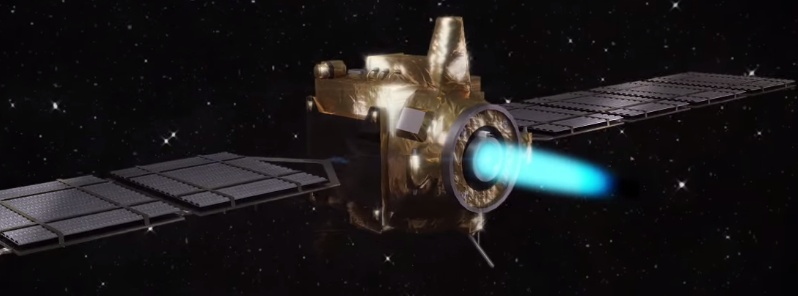
  • Dawn of a new era: the revolutionary ion engine that took spacecraft to Ceres

    The NASA spacecraft Dawn has spent more than seven years travelling across the Solar System to intercept the asteroid Vesta and the dwarf planet Ceres. Now in orbit around Ceres, the probe has returned the first images and data from these distant objects. But inside

  • How is Mars rover Opportunity still alive?

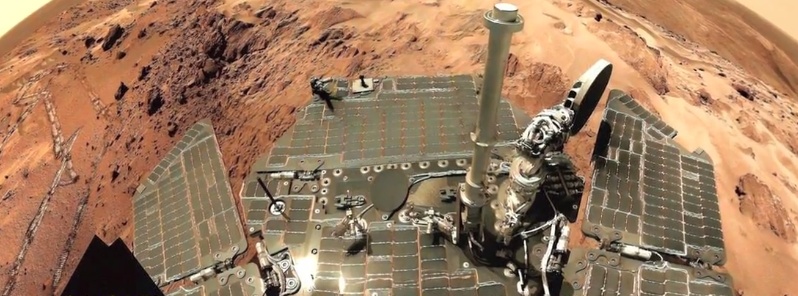
    Today, we review one of the great ongoing mysteries in the history of Mars exploration. In January of 2004, the Mars rovers Spirit and Opportunity arrived at the red planet about three weeks apart.Due to the extreme dustiness of the Martian environment, it was believed

  • Large underground ocean on Ganymede, Jupiter’s largest moon

    Hubble Space Telescope has the best evidence yet for an underground saltwater ocean on Ganymede, Jupiter’s largest moon. The subterranean ocean is thought to have more water than all the water on Earth's surface. Identifying liquid water is crucial in the