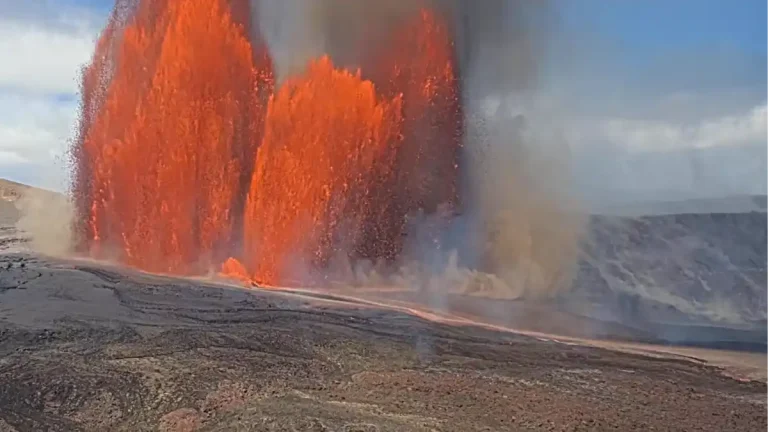
• Episode 41 eruption at Kīlauea produces 480 m (1 575 feet) fountains, tephra reaches Hilo and Puna, Hawaii

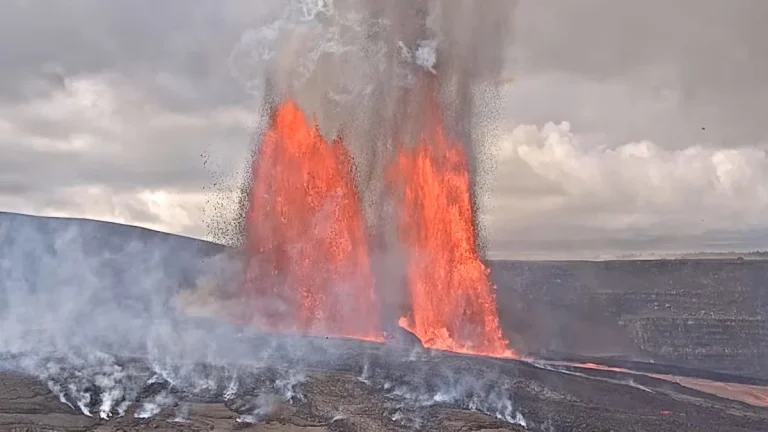
    Episode 41 of Kīlauea’s ongoing Halemaʻumaʻu eruption began at 11:10 HST (21:10 UTC) on January 24, 2026, producing lava fountains up to 480 m (1 575 feet) high and the broadest verified tephra dispersal of the current summit eruption sequence. Fine ash and Pele’s hair were carried by easterly winds to communities as far as Hilo and coastal Puna, while coarse fragments up to 30 cm (1 foot) fell near the vent. The eruption ended abruptly after about eight hours of activity.

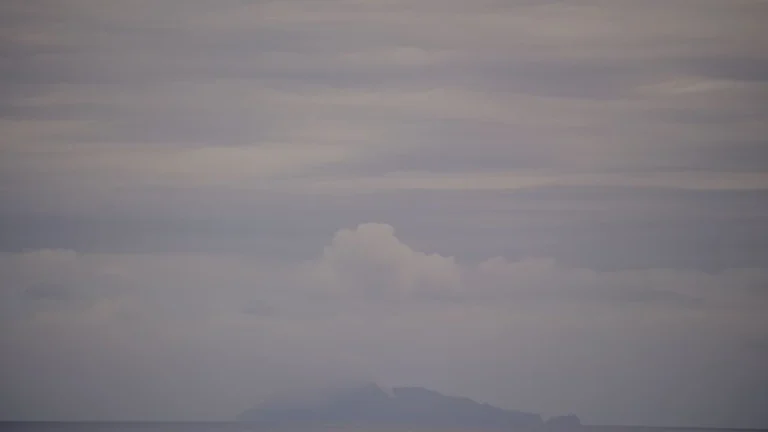
  • Piton de la Fournaise enters new effusive phase inside Enclos Fouqué caldera, La Réunion

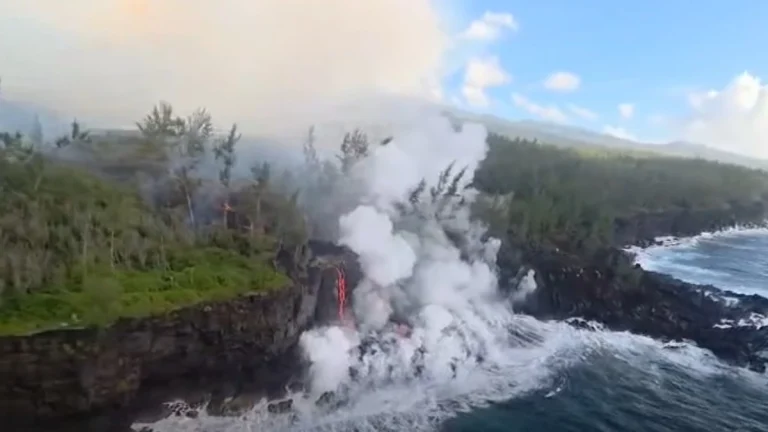
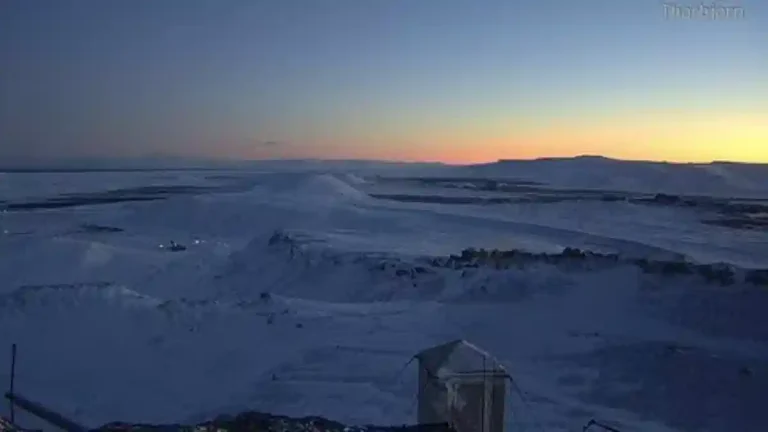
    Piton de la Fournaise volcano on La Réunion entered a new eruptive phase at 19:42 LT (16:42 UTC) on January 18, 2026, after a strong seismic crisis and rapid ground deformation. The eruption is effusive, producing lava flows from fissures on the northern flank inside the Enclos Fouqué caldera. This is the first eruption at Piton de la Fournaise since August 2023.

  • Pavlof volcano alert raised after rise in long-period earthquakes, Alaska

    A notable increase in seismic activity was detected at Pavlof volcano on the Alaska Peninsula on January 14, 2026, prompting the Alaska Volcano Observatory (AVO) to raise the alert level to Advisory and the Aviation Color Code to Yellow. No surface activity or eruptive changes were observed, and seismicity has since declined to background levels.

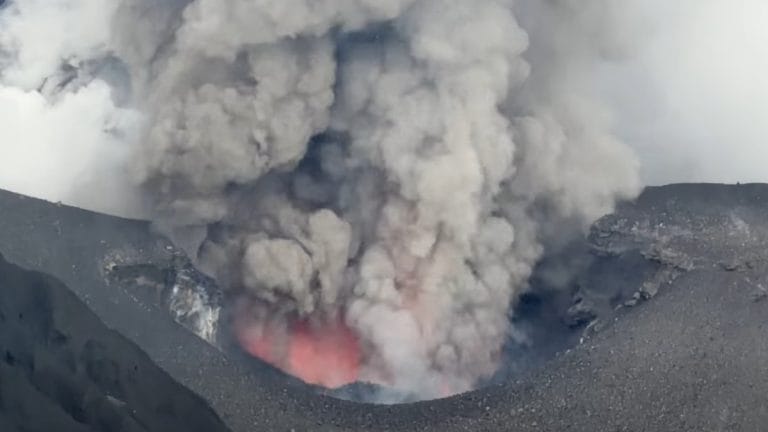
  • HVO reports increased earthquake activity beneath Halemaʻumaʻu, first notable summit unrest since December 2024

    A series of three small earthquake swarms occurred beneath Halemaʻumaʻu crater at the summit of Kīlauea Volcano, Hawaii, between January 13 and 14, 2026, marking the most notable shallow seismic unrest since the eruption’s onset in December 2024. The U.S. Geological Survey’s Hawaiian Volcano Observatory (HVO) reports all events were below magnitude 2 and located 1.5–4 km (0.9–2.5 miles) beneath the surface. The activity follows the high fountain eruption of episode 40 on January 12, which produced 5.5 million m³ (7.2 million yd³) of lava within less than 10 hours.

  • Evacuations underway after Mayon volcano’s dome collapse and pyroclastic flows, Philippines

    Nearly 3 000 residents have been evacuated from communities around Mayon volcano in Albay Province, Philippines, after the Philippine Institute of Volcanology and Seismology (PHIVOLCS) raised the alert status to Level 3 on January 6, 2026. The evacuation follows intensified dome collapse events, pyroclastic density currents, and ongoing effusive lava extrusion at the summit.

  • Mount Etna’s Northeast Crater erupts for the first time in 28 years, Italy

    Two paroxysmal eruptions occurred at Mount Etna’s Northeast Crater on December 27, 2025, marking the first major eruptive episode from this crater in almost 28 years. The events produced lava fountains up to 500 m (1 640 feet), eruptive columns rising over 10 km (6 miles) above sea level, and a short lava flow from the nearby Voragine Crater. Activity gradually declined by December 28, with continued strombolian explosions and weak effusion.

  • Strong explosive activity at Etna opens new vent feeding lava flow toward Valle del Bove, Italy

    Etna’s eruptive activity intensified rapidly between December 24 and 27, 2025, culminating in short-lived lava fountains about 200 m (650 feet) high and a new lava flow from the upper Voragine crater toward the Valle del Bove. INGV Etna Observatory (OE) raised the Aviation Color Code to Red on December 27 as tremor and infrasound amplitudes reached very high levels.