• Orange alert in effect for Puracé volcano after renewed eruptive activity, Colombia

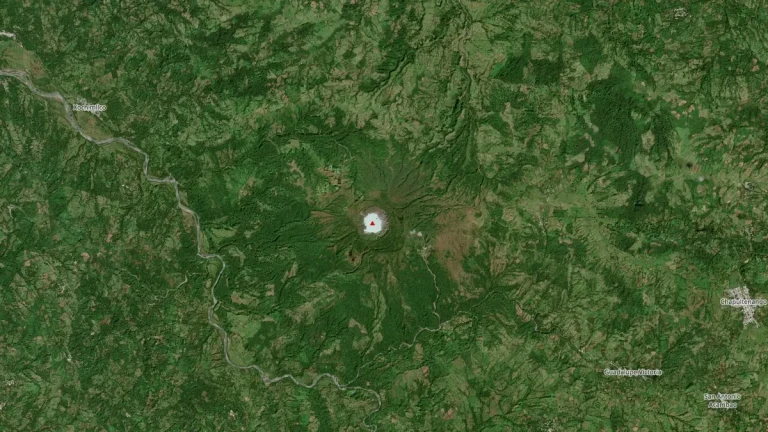
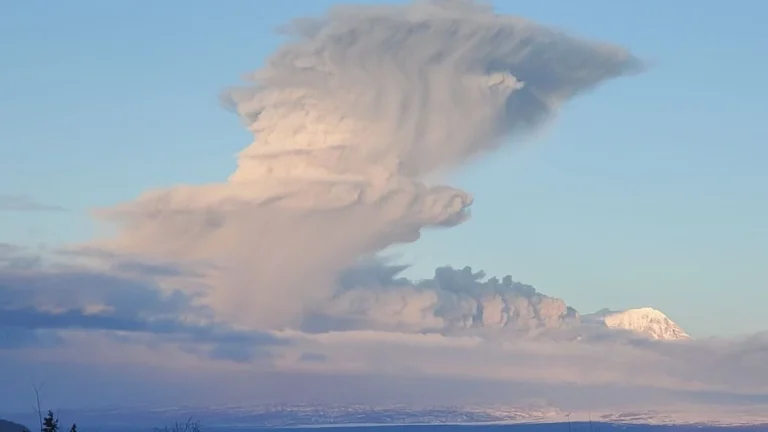
    Volcanic activity at Puracé, Colombia, intensified on November 30, 2025, prompting authorities to raise the alert level to Orange for the Los Coconucos volcanic chain in Cauca Department on December 1. Since then, continuous tremor, long-period seismicity, and sustained gas-and-ash emissions have been recorded, with columns exceeding 700 m (2 300 feet) above the summit (4 650 m / 15 260 a.s.l.) and occasional ashfall reported in nearby communities.

  • New eruptive episode at Kīlauea produces strong lava fountaining and high sulfur dioxide emissions

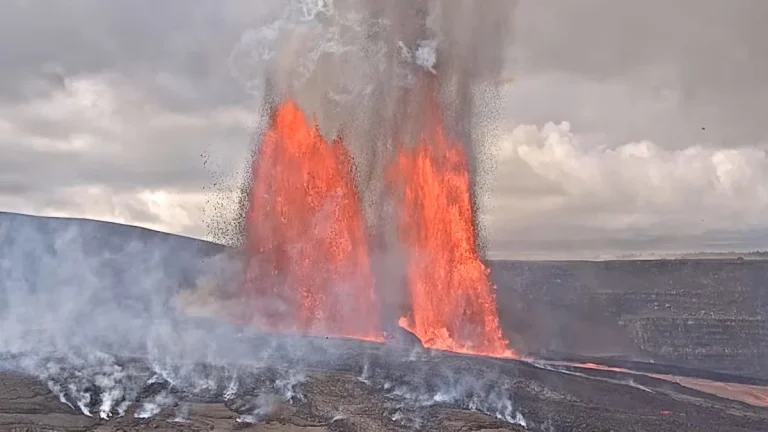
    Episode 37 of the ongoing Kīlauea eruption began at 14:30 HST on November 25, 2025 (00:30 UTC, November 26), producing sustained lava fountains about 120 m (400 feet) high from the north vent inside Halemaʻumaʻu crater. The eruption remains confined within Hawaiʻi Volcanoes National Park, with no impacts beyond the summit area. Seismic tremor intensified at the onset, and sulfur dioxide (SO2) emissions rose to around 50 000 tonnes per day, generating volcanic gas plumes and vog drifting southwest under light northeast winds.

  • Hayli Gubbi’s first eruption in at least 12 000 years grounds flights across India and the Middle East

    Ash and sulfur dioxide released by Ethiopia’s Hayli Gubbi volcano, erupting for the first time in at least 12 000 years, disrupted regional air travel between November 24 and 25, 2025. The eruption produced a high-altitude plume reaching about 14 km (46 000 feet) above sea level, spreading eastward across the Arabian Peninsula and India, where aviation authorities issued advisories, rerouted long-haul flights, and temporarily suspended operations on affected routes.

  • Hayli Gubbi volcano erupts for the first time in recorded history, Ethiopia

    Hayli Gubbi volcano in Ethiopia erupted for the first time in at least 12 000 years on November 23, 2025, marking its first confirmed Holocene activity. The eruption generated a plume rising to about 14 km (46 000 feet) above sea level before drifting toward the Arabian Peninsula. Updated satellite data from IASI-C on November 24 detected a large SO2 plume between 5 km (16 400 feet) and 17 km (55 800 feet), with a centre-of-mass height near 16 km (52 500 feet) and a total mass loading of 58.4 kt.

  • Rare audio of approaching pyroclastic flow from Mount Semeru’s November 19 eruption, East Java

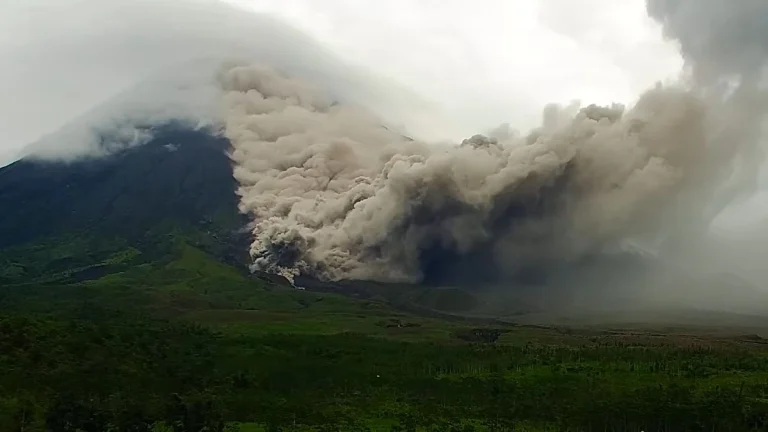
    A major eruption at Mount Semeru, East Java, Indonesia, on November 19, 2025, produced large pyroclastic flows descending the southern slopes. One of them was captured on video, allowing both the sight and sound of the approaching flow to be recorded. The video shows a large pyroclastic density current moving downslope at high speed, generating…

  • Media claims of Mount Rainier tremor proven false by USGS and PNSN

    Contrary to recent media coverage suggesting Mount Rainier had entered an unprecedented tremor phase, the U.S. Geological Survey (USGS) confirmed that no volcanic tremor is occurring at the volcano. The abnormal seismic signal detected over several days in mid-November 2025 originated from ice buildup and communication interference at the STAR station on Rainier’s west flank. Monitoring data from the Pacific Northwest Seismic Network (PNSN) show no signs of volcanic unrest, and the Alert Level remains at Normal.

  • Evacuations ordered after powerful eruption at Semeru volcano sends ash to 17.9 km (59 000 feet), Indonesia

    Indonesia’s Geological Agency raised the alert level for Semeru volcano to the highest (Level IV) following a major eruption on November 19, 2025, that produced an ash column up to 17.9 km (59 000 feet) above sea level. Authorities ordered evacuations of at least 300 residents from nearby villages and expanded exclusion zones up to 8 km (5 miles) from the crater and along the Besuk Kobokan valley. No casualties have been reported so far.