• Record rainfall hits Dallas–Fort Worth as storms flood highways across North Texas

    Record rainfall struck Dallas–Fort Worth, Texas, on March 4, 2026, when Dallas–Fort Worth International Airport recorded 39.4 mm (1.55 inches) of rain, breaking the previous daily record of 32.3 mm (1.27 inches) set in 1937. The storms flooded highways across North Texas, caused the collapse of a commercial building roof on Kingsley Road, and triggered a lightning-caused house fire in Fort Worth.

  • Flood warnings and advisories issued across Indiana, Ohio, and West Virginia after heavy rainfall

    The National Weather Service (NWS) issued numerous flood warnings on Wednesday, March 4, 2026, following 50–100 mm (2–4 inches) of rainfall across Indiana, Ohio, and West Virginia. Several rivers, including the East Fork White River, White River, and Big Blue River, are above flood stage, with additional rainfall forecast through the end of the week.

  • Two subtropical systems active simultaneously in South Atlantic, first such overlap documented in modern monitoring era

    Subtropical Storm Caiobá formed off southern Brazil on March 2, 2026, after two subtropical depressions developed simultaneously in the South Atlantic. According to Metsul Meteorologia and available South Atlantic cyclone records, no previous instance of simultaneous subtropical depressions has been documented since formal monitoring and classification began. Caiobá moved away from the coast of Brazil without any major impacts.

  • Heavy snowfall across northern China triggers emergency responses

    Northern China experienced widespread snowfall on March 1, 2026, with snow cover exceeding 250 000 km² (96 525 mi²) and a maximum snow depth of 23 cm (9 inches). The event prompted emergency responses across several provinces, including Hebei, Shanxi, and Gansu, according to official reports.

  • Winter weather impacts Appalachians and Mid-Atlantic while severe storm risk expands across parts of Oklahoma and Kansas

    A lifting frontal boundary draped from the southern Plains to the Mid-Atlantic is producing a swath of mixed winter precipitation across the Ohio and Tennessee Valleys on March 2, 2026, while setting the stage for isolated severe thunderstorms in Oklahoma and Kansas on March 3. Winter weather advisories are in effect from Indiana to Pennsylvania, with ice accretion possible across the higher terrain of the Appalachians, according to the Weather Prediction Center.

  • Persistent slab avalanche danger expected across the Cascades this weekend

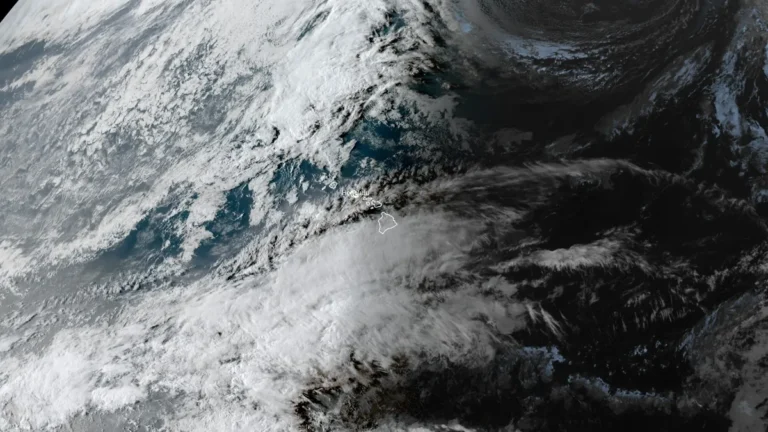
    Persistent slab avalanche hazards will be the main concern across the Cascade Range this weekend, according to the Northwest Avalanche Center. Forecasters say buried weak layers and recent wind loading have brought several zones close to a “tipping point,” warning that human-triggered avalanches remain possible even under clear skies.

  • Desert rainfall anomaly triggers major flooding across central Australia

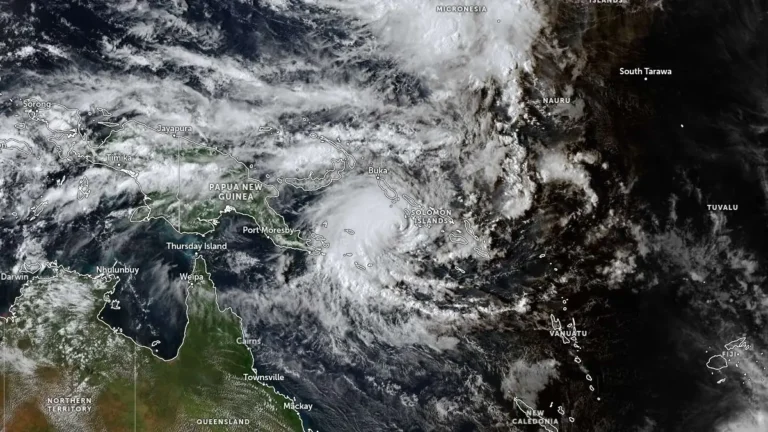
    A near-stationary tropical low has triggered one of the most significant inland rainfall events in recent decades, inundating vast areas of central Australia and prompting disaster declarations across the Northern Territory. More than 600 mm (24 inches) of rain has been recorded at some remote stations, with additional heavy rainfall forecast to expand south into South Australia and Victoria through early next week, increasing the risk of further flooding. Meteorologists described it as a remarkable and highly unusual meteorological event.

  • Vanuatu issues Red alert for Tafea Province as Tropical Cyclone Urmil intensifies

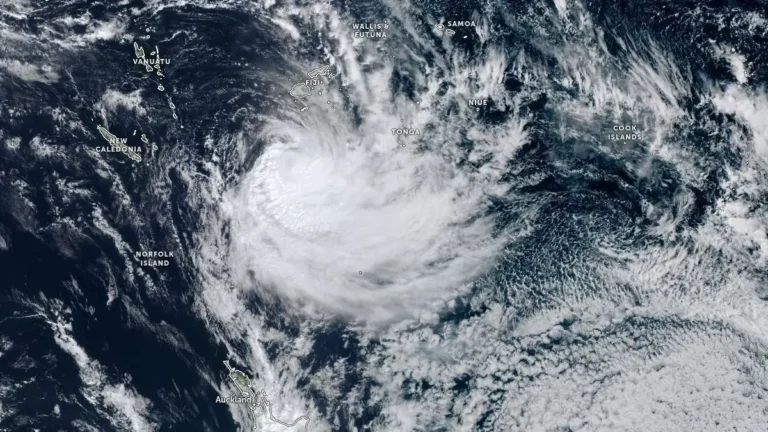
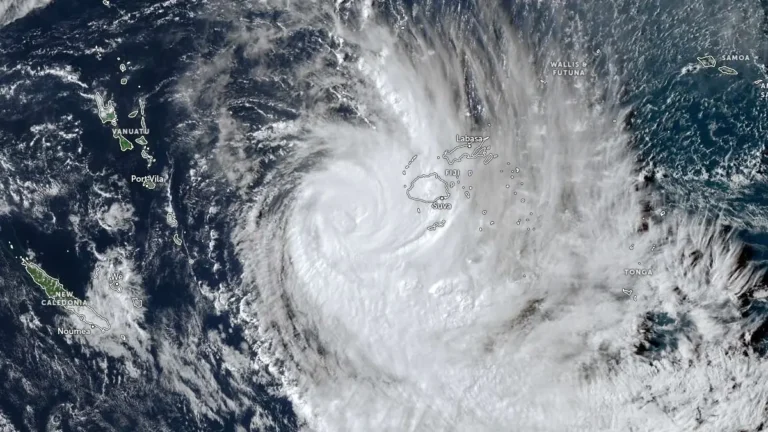
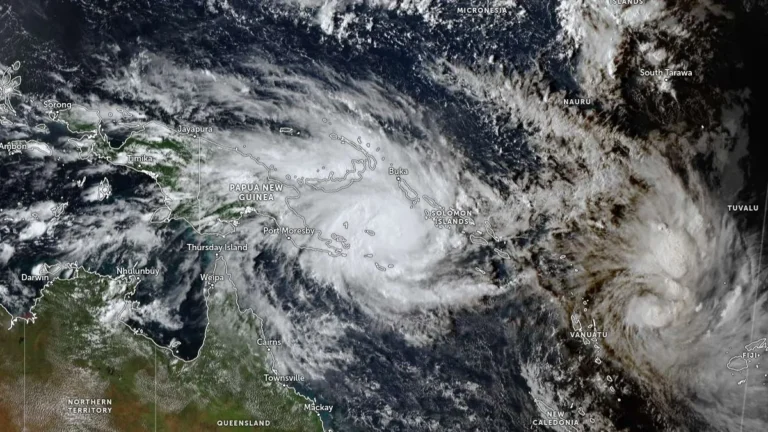
    Tropical Cyclone Urmil formed on February 27, 2026, south of Vanuatu, prompting a Red Alert for Tafea Province as the system began strengthening over the region. At 09:00 UTC, Urmil had intensified to 102 km/h (63 mph) and was moving southeast at about 15 km/h (9 mph). The cyclone is forecast to strengthen further over open waters between Vanuatu and Fiji, potentially reaching Category 2 intensity.

    Urmil is the first named storm of the 2025–26 South Pacific cyclone season. It set a new record as the latest-ever first named cyclone in the basin, surpassing Cyclone Bart, which was named on February 21, 2017.

  • Confirmed tornado damages multiple homes in Pinson, Alabama

    A confirmed tornado touched down in Jefferson County, Alabama, on February 26, 2026, damaging multiple homes in the Pinson area. Severe thunderstorms moved across parts of northern and central Alabama, bringing strong winds and large hail to Jefferson, St. Clair, Blount, and Calhoun counties, along with strong, damaging winds.