
Severe flooding leaves 6 dead, over 6 000 homes inundated and 1.5 million affected in Dagestan, Russia
At least 6 people were killed, more than 6 000 homes were inundated, and nearly 1.5 million people were affected after heavy rainfall triggered flooding and landslides in Dagestan, Russia, by April 6, 2026. Authorities declared a regional emergency and warned of continued hazardous conditions.
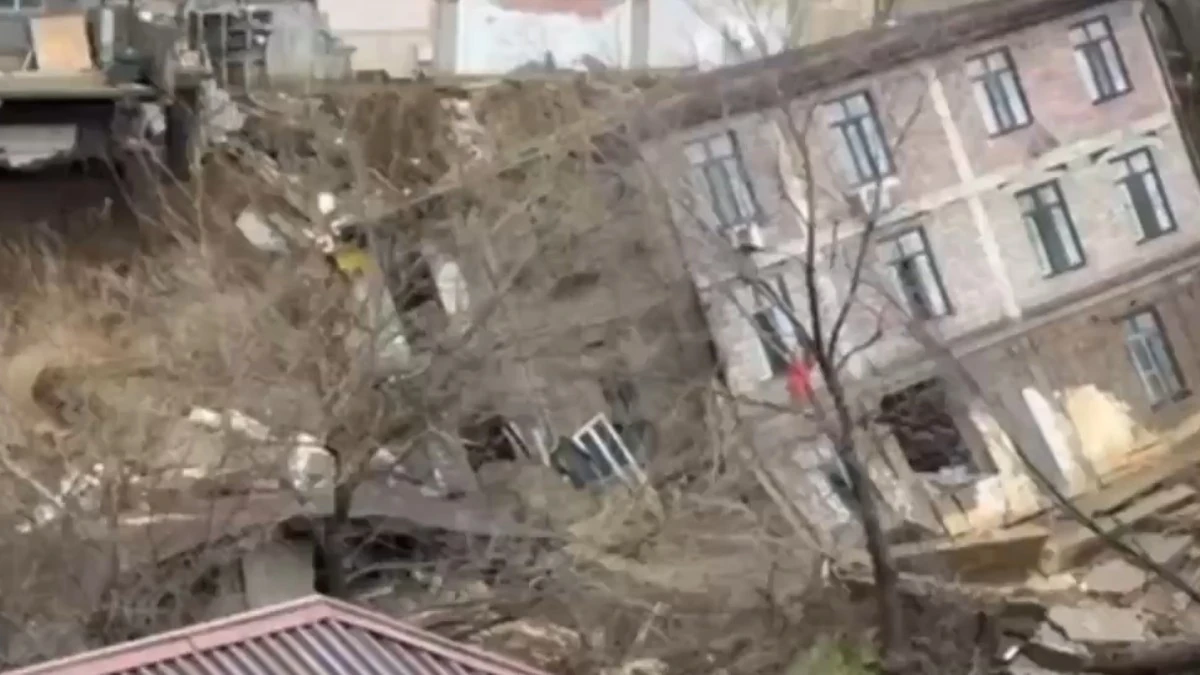
Apartment building collapsed on Gazoprovodnaya Street, Makhachkala, Dagestan, Russia - April 2026. Credit: Caucasian Knot
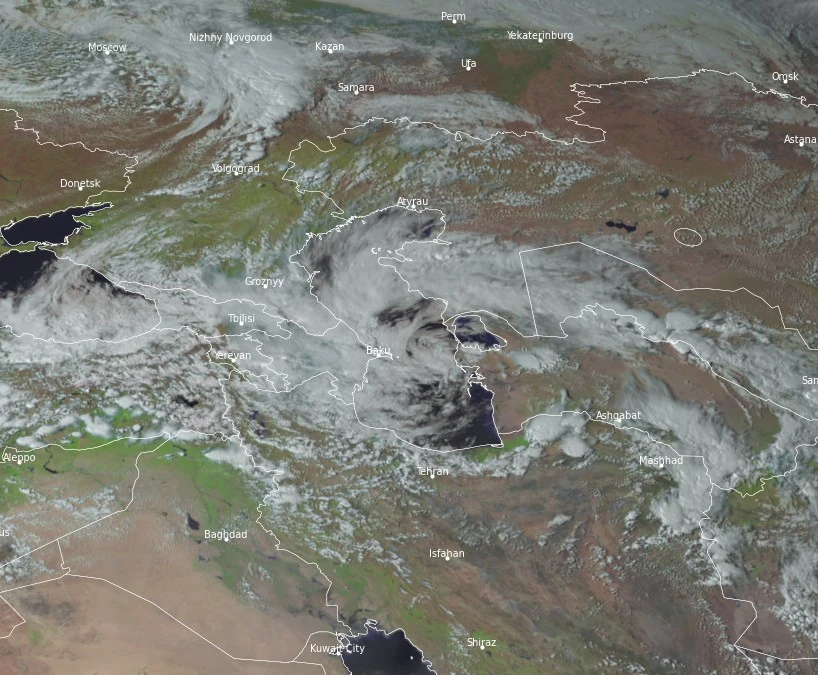
Heavy rainfall associated with a cyclone over the Caspian Sea caused a sharp rise in river levels, leading to rapid flooding of populated areas and damage to infrastructure across the North Caucasus on April 5 and 6, with Dagestan and Chechnya the worst affected.
Russia’s Ministry of Emergencies (EMERCOM) reported 6 fatalities on April 7. A woman was killed when a landslide caused a residential structure to collapse in the southern village of Kirki. Additional fatalities involved vehicles swept into floodwaters, including a woman and a child who died after cars overturned into a river, while two more children were reported dead after a vehicle became submerged.
In Dagestan, flooding impacted 25 settlements, inundating more than 6 000 residential buildings and household plots, according to EMERCOM. At the time of reporting, more than 2 000 homes remained flooded.
More than 4 000 people were evacuated following a breach at the Gedzhukh reservoir, which also led to flooding in parts of the settlement of Mamedkala and disruption to traffic along the “Kavkaz” highway. Emergency services reported rescuing more than 200 people during response operations.
Authorities reported disruption of energy and gas systems, flooding across 527 sections of roads, as well as damage to railway, road, and pedestrian bridges.
Urban impacts were also reported in the regional capital, Makhachkala, where local authorities stated that soil erosion caused the collapse of a structure attached to a six-story apartment building, prompting the evacuation of residents due to the risk of further structural failure.
Earlier in the event, more than 327 000 people across 283 settlements were left without electricity as severe weather affected the region. Transport infrastructure was also disrupted, including damage to a railway bridge.
On April 4, a mass hepatitis A vaccination campaign was launched due to disruptions to water supply and sewage systems that led to the hospitalization of dozens of people. Priority groups include food service workers, utility staff, residents of flooded homes, and people in temporary shelters.
In total, floods across Dagestan affected nearly 1.5 million people by April 7.
Emergency officials warned that hazardous conditions remain active, with continued rainfall and strong winds maintaining the risk of landslides, rockfalls, and mudflows across mountainous terrain.
In neighboring Chechnya, authorities reported flooding damage to vehicles and pedestrian bridges.
Authorities declared a regional-level emergency and reported that more than 1 000 personnel and 240 units of equipment were deployed to response operations. A total of 55 temporary accommodation centers were established to support displaced residents.
References:
1 Situation report on flooding in Dagestan – EMERCOM – April 7, 2026
2 Up to 1.5 million Dagestanis were affected by the flooding – Caucasian Knot – April 7, 2026

I'm a dedicated researcher, journalist, and editor at The Watchers. With over 20 years of experience in the media industry, I specialize in hard science news, focusing on extreme weather, seismic and volcanic activity, space weather, and astronomy, including near-Earth objects and planetary defense strategies. You can reach me at teo /at/ watchers.news.

Commenting rules and guidelines
We value the thoughts and opinions of our readers and welcome healthy discussions on our website. In order to maintain a respectful and positive community, we ask that all commenters follow these rules.