
Historic buildings damaged as Camp Fire burns near Fort Stanton, New Mexico
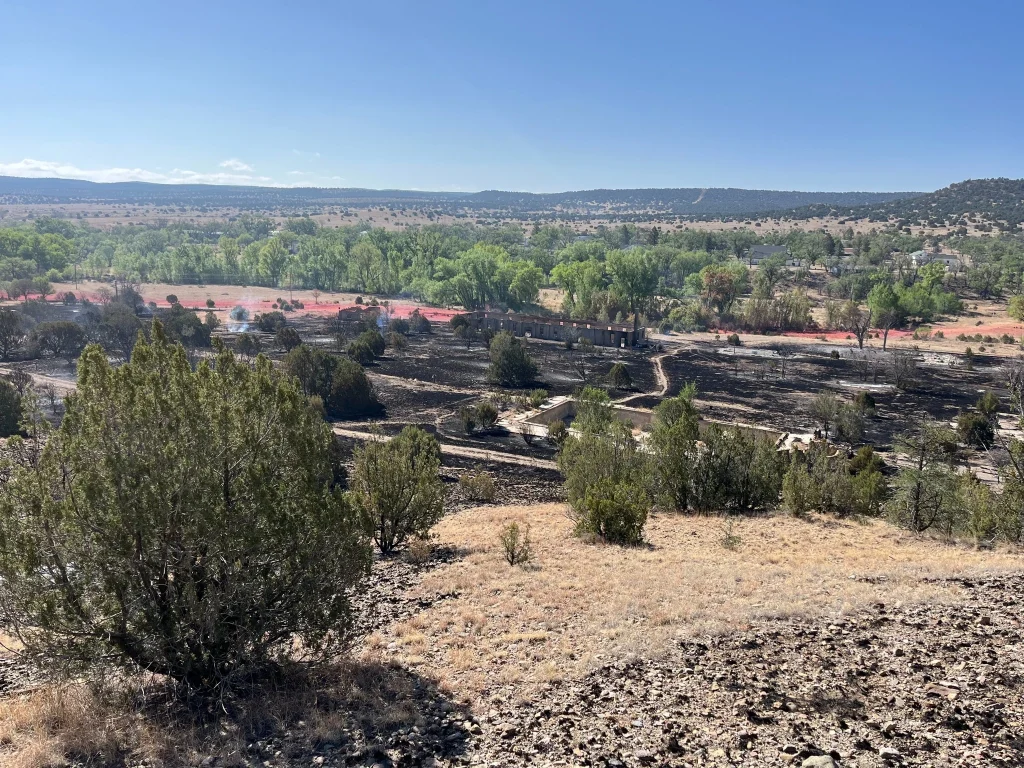
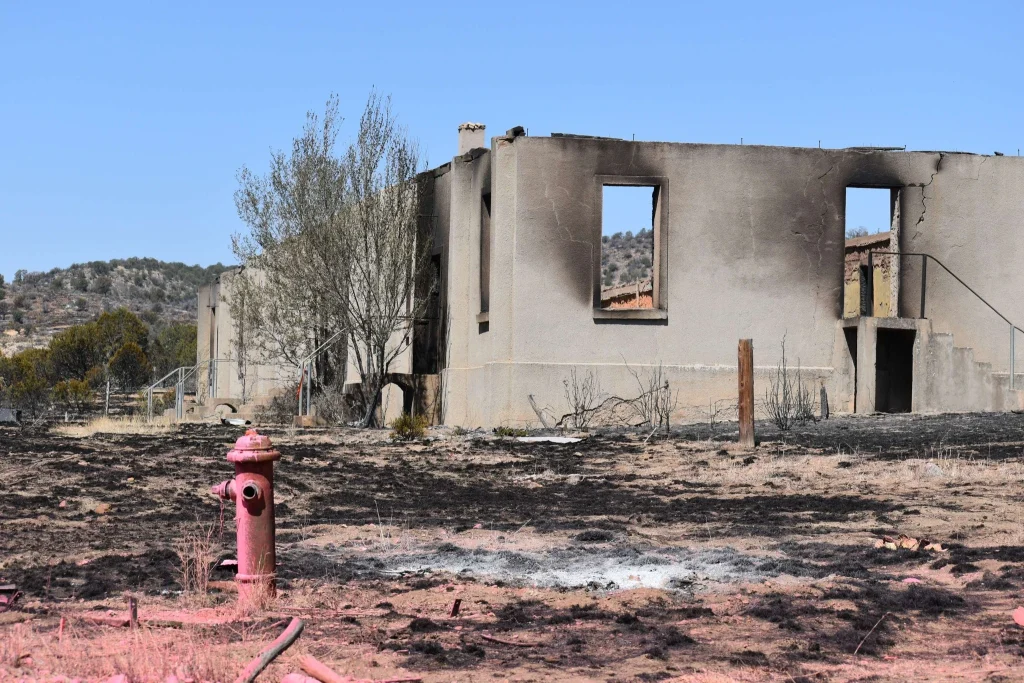
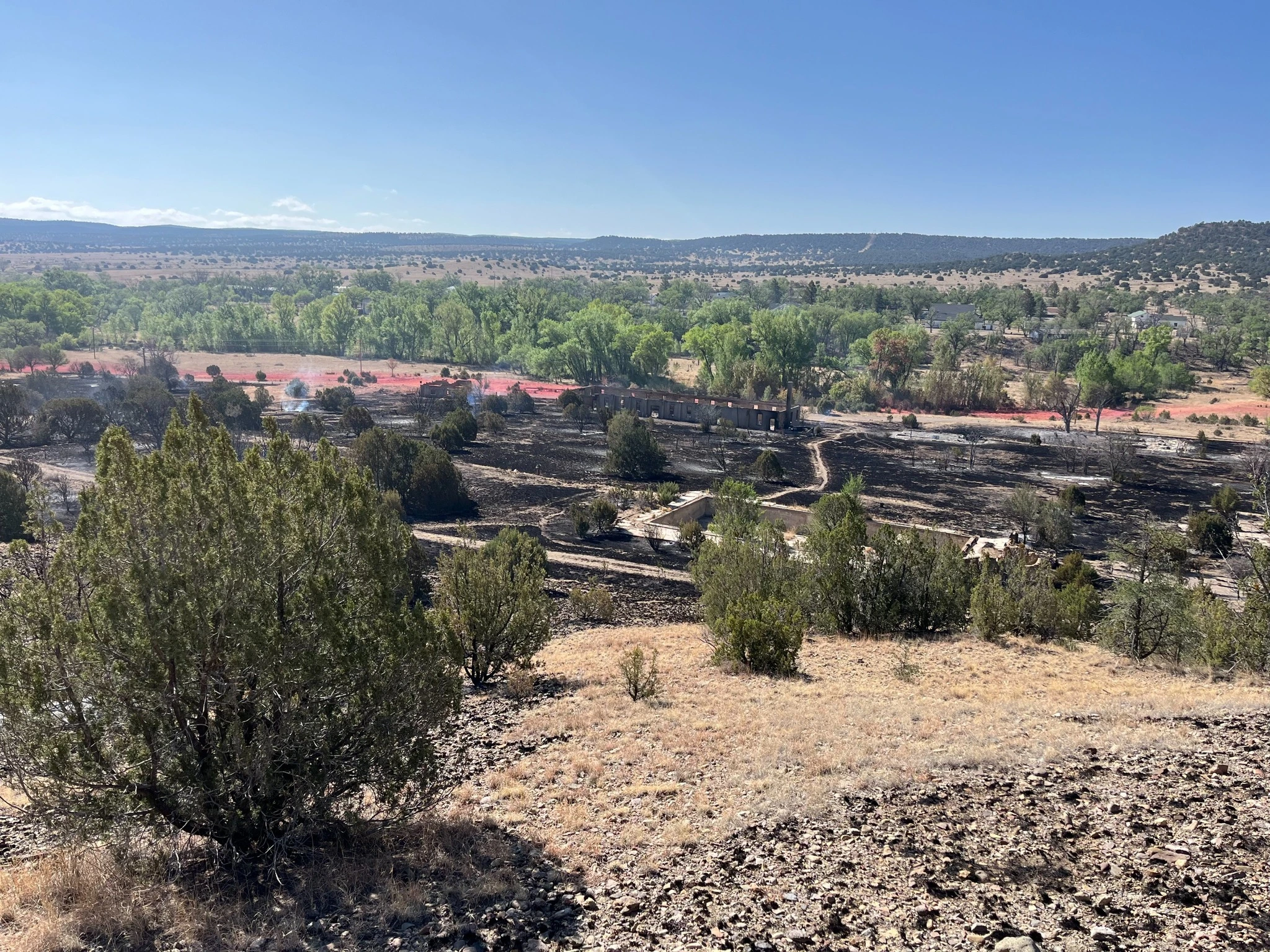
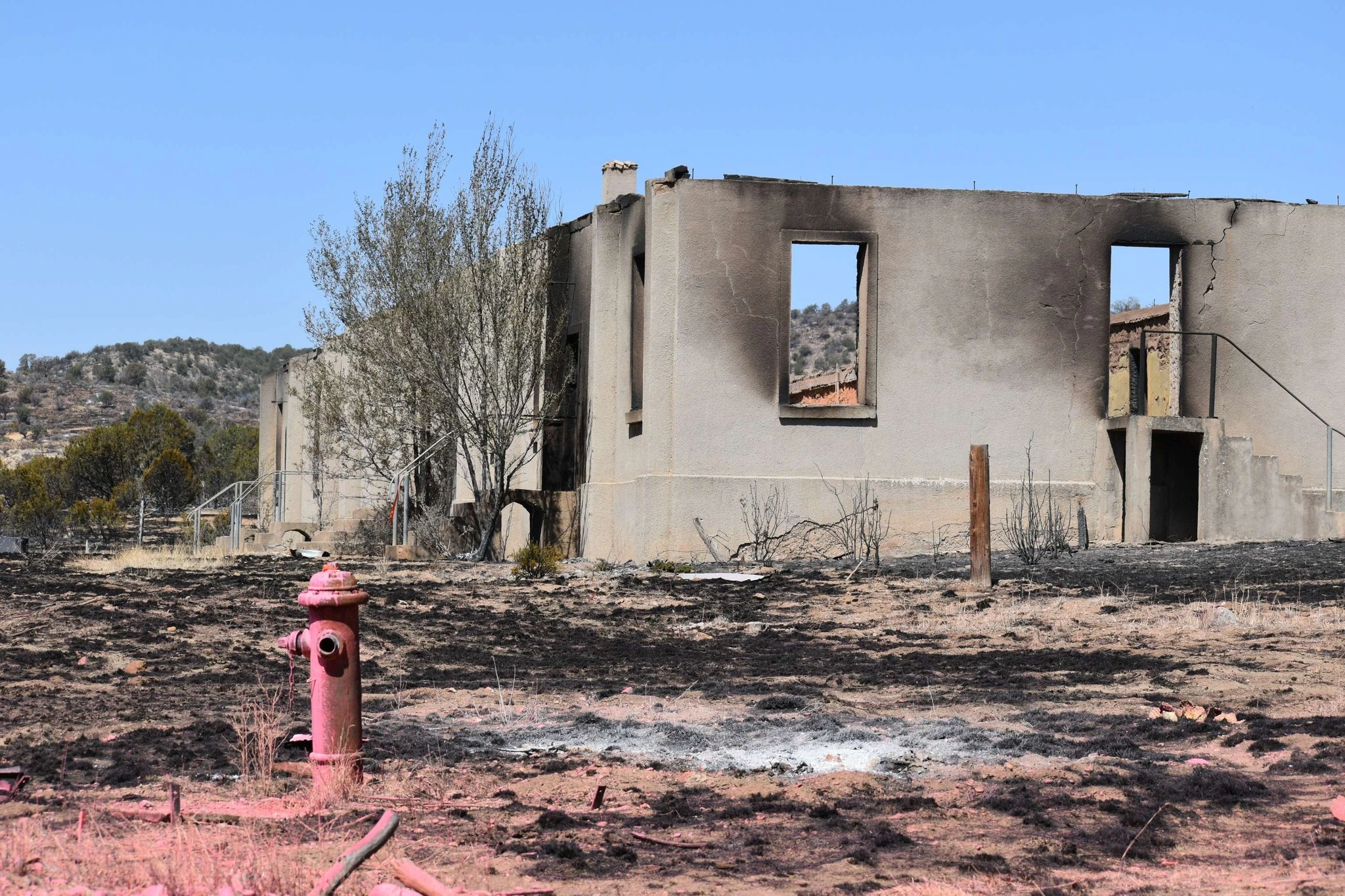
The Camp Fire near Fort Stanton, New Mexico, destroyed or damaged several historic buildings at one of the oldest military forts in the United States. Among the structures lost were two wooden buildings from the 1940s, located near former World War II-era internment camps.

Fort Stanton grounds burnt. Credit: Bureau of Land Management - New Mexico
Fort Stanton, established in 1855 and recognized as one of the largest and most intact military forts in the United States, has suffered significant damage from the Camp Fire this week.
The blaze swept through the northwest section of the property, destroying an old residence and a former bowling alley, both built in the 1940s near the World War II-era internment camp for German sailors. A 1944 gymnasium and an additional outbuilding were also damaged, bringing the total number of affected structures to four.
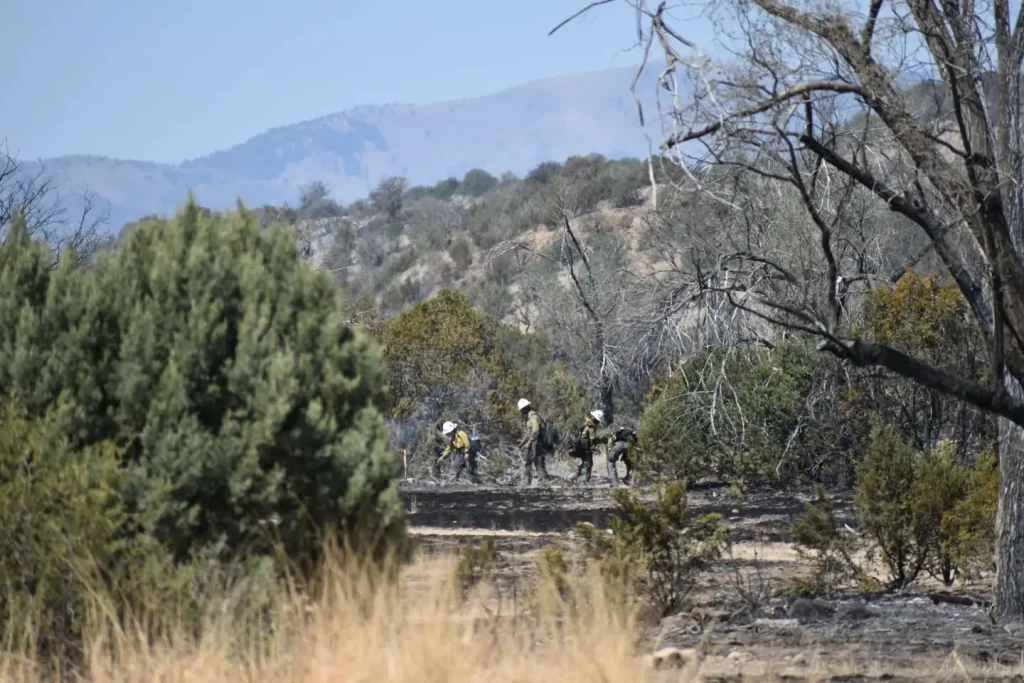
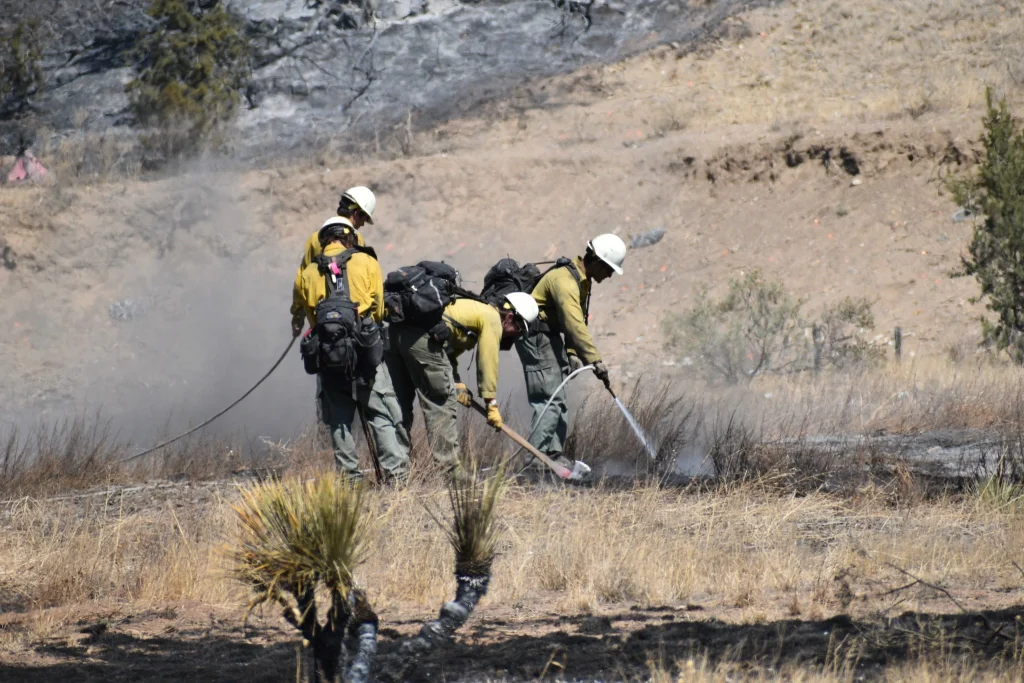
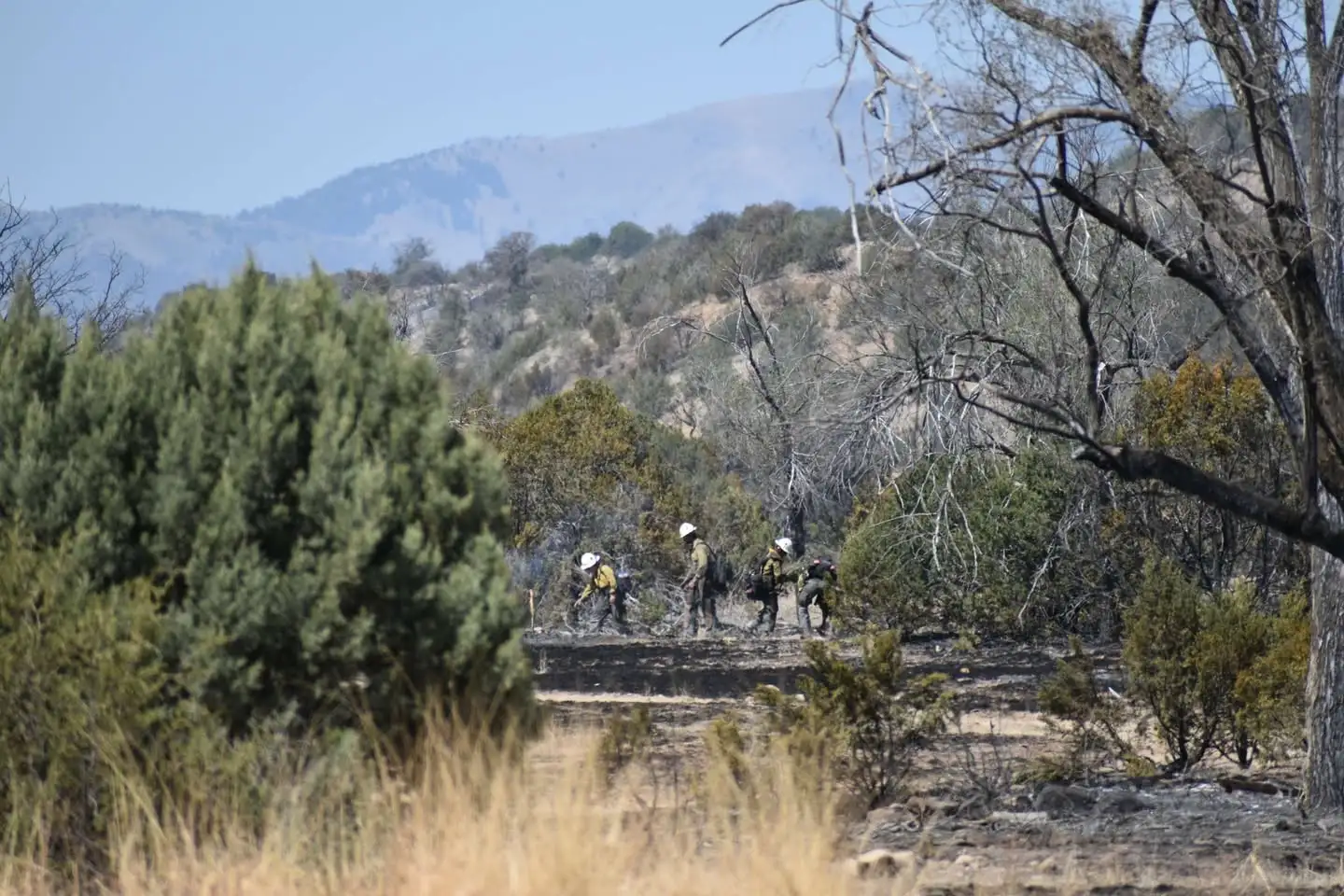
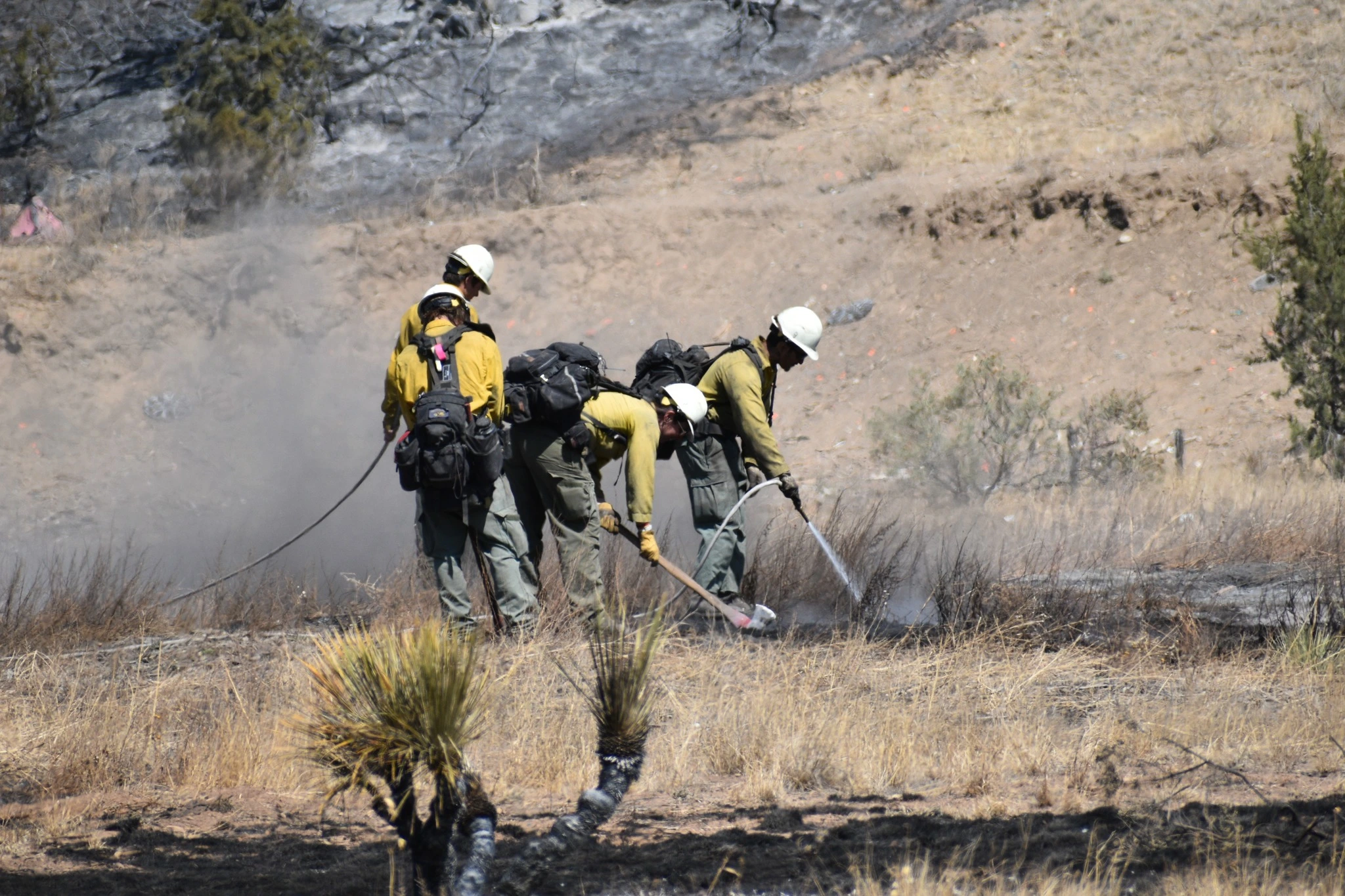
The fire started on May 25, rapidly burning through 355 ha (877 acres) of piñon-juniper and grassland over the following days. The fire is now 70% contained, with fire lines holding and crews focusing on extinguishing hotspots.
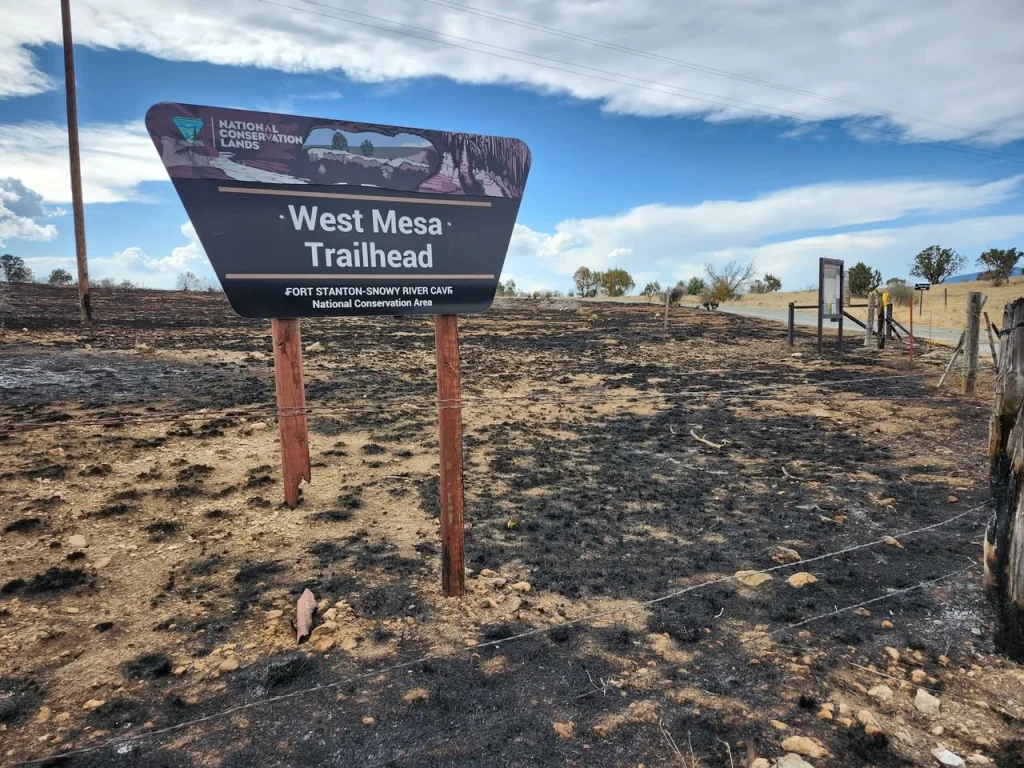 Image credit: Bureau of Land Management – New Mexico
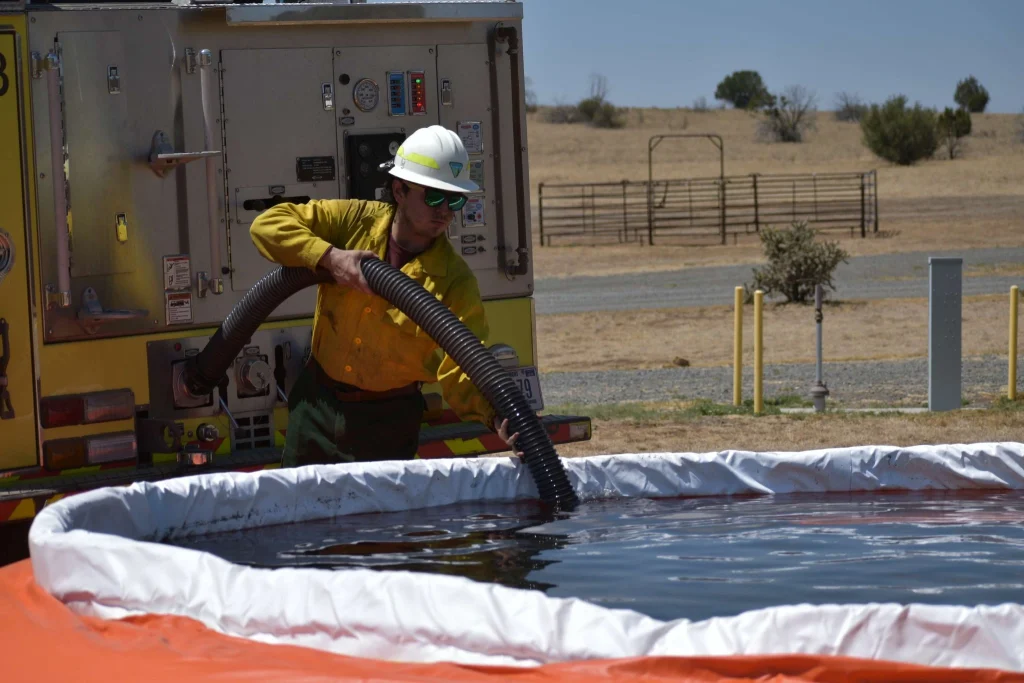 Image credit: Bureau of Land Management – New Mexico
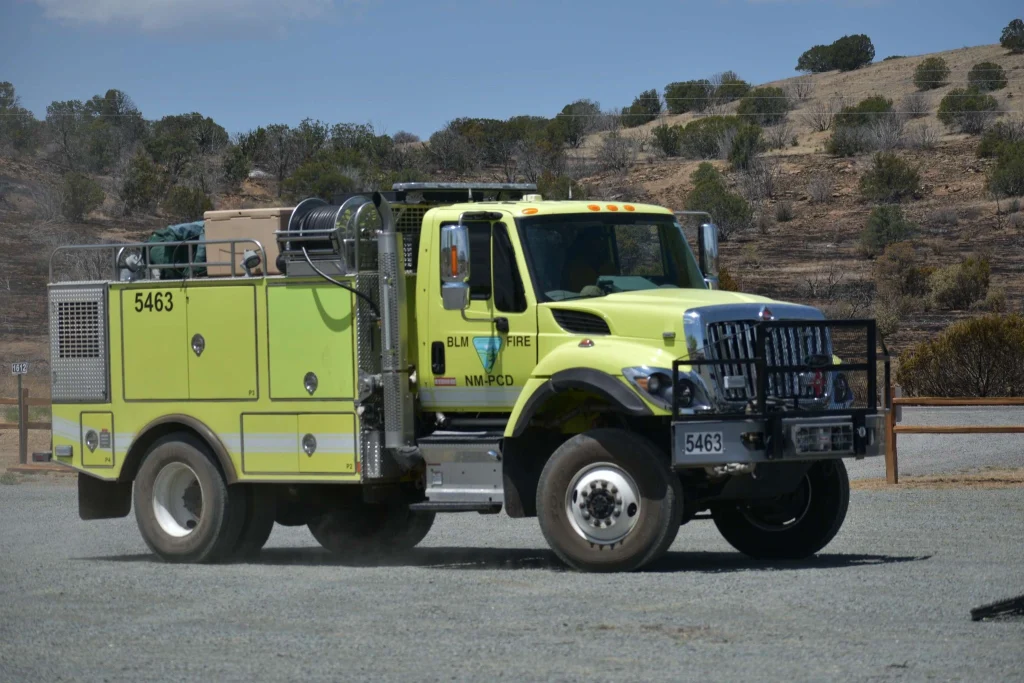 Image credit: Bureau of Land Management – New Mexico
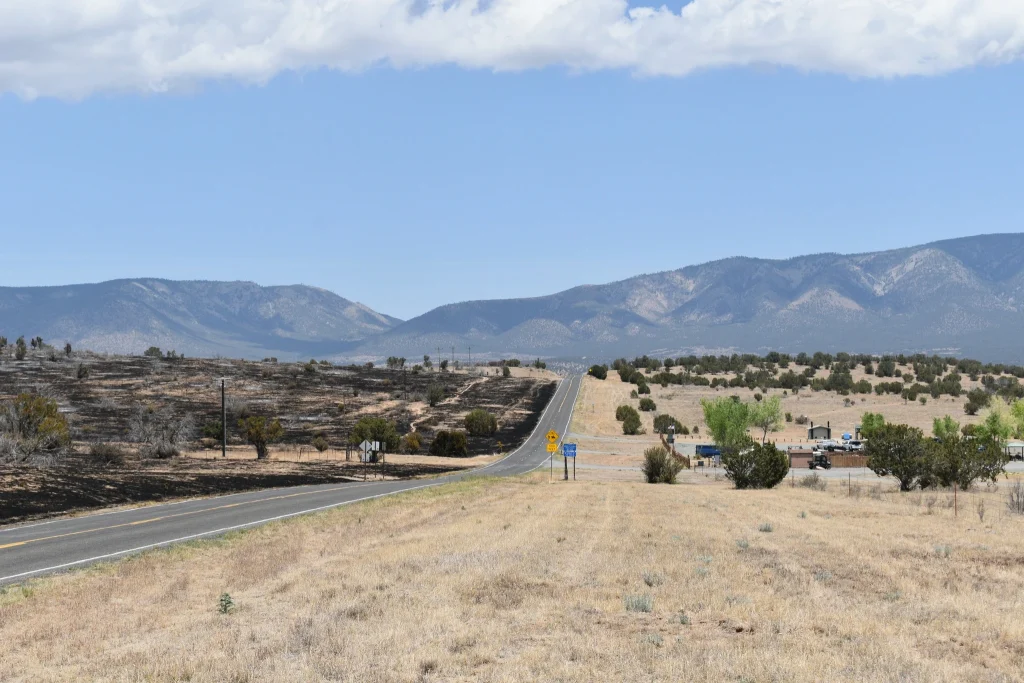 Image credit: Bureau of Land Management – New Mexico
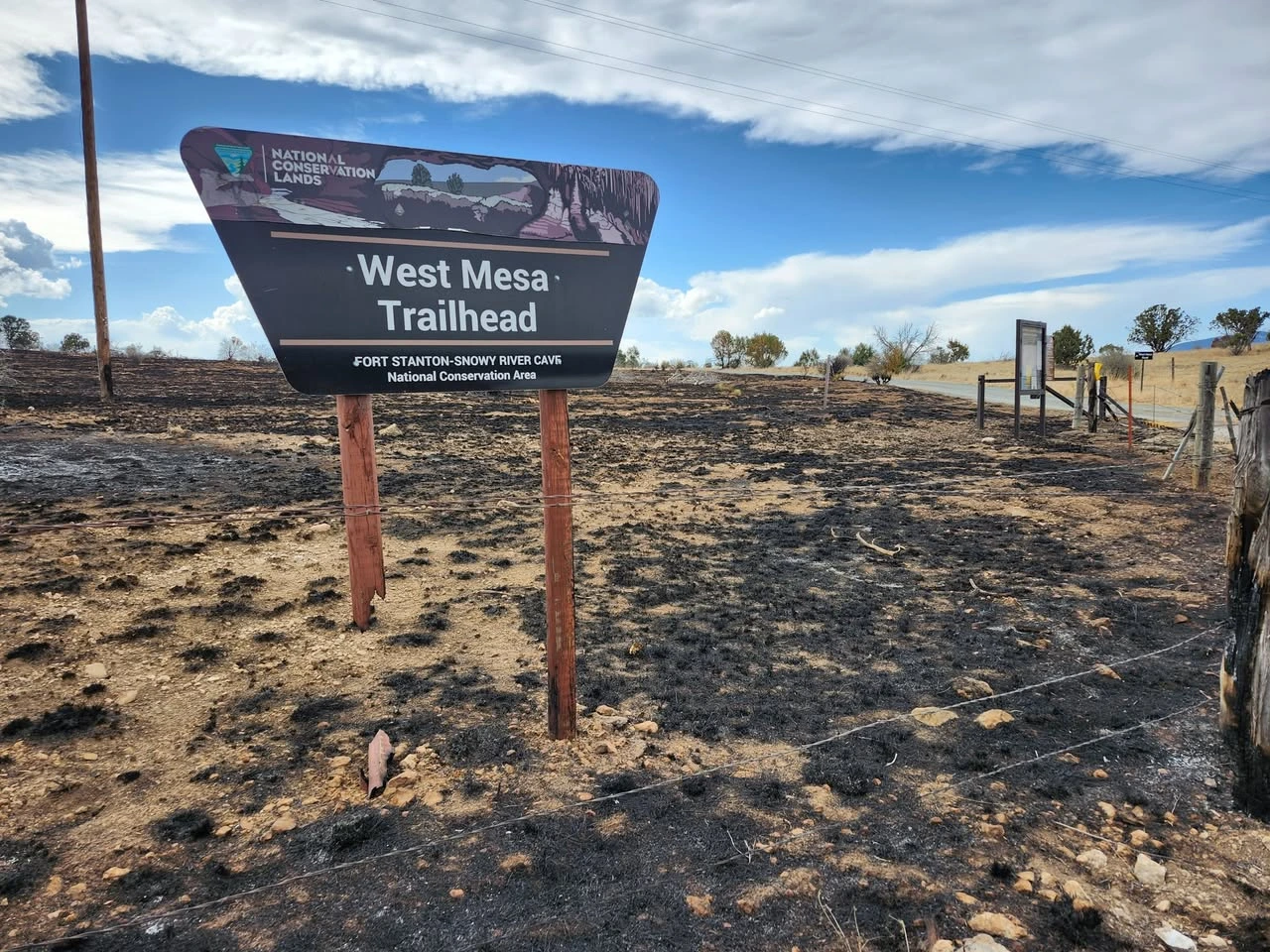
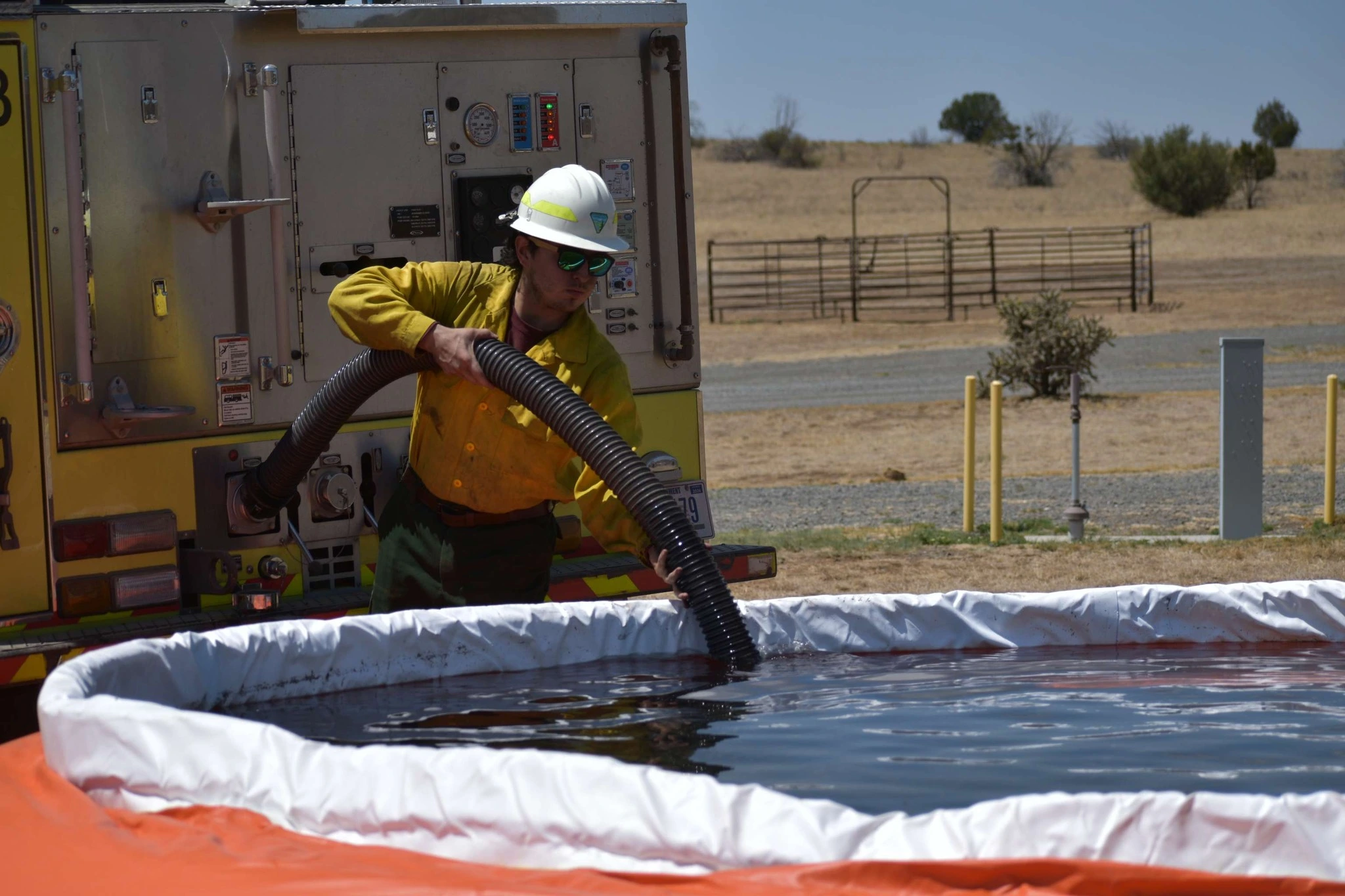
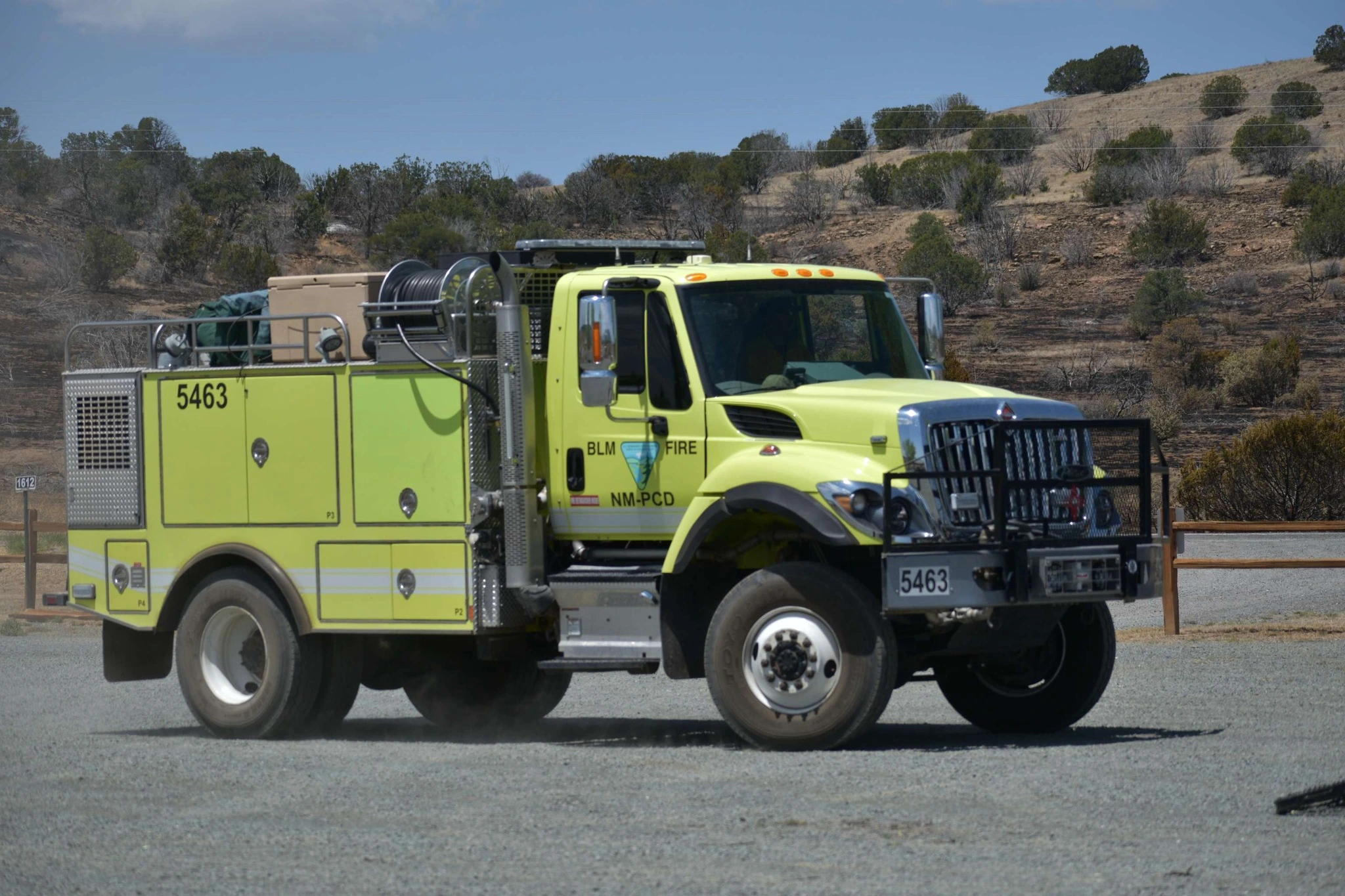
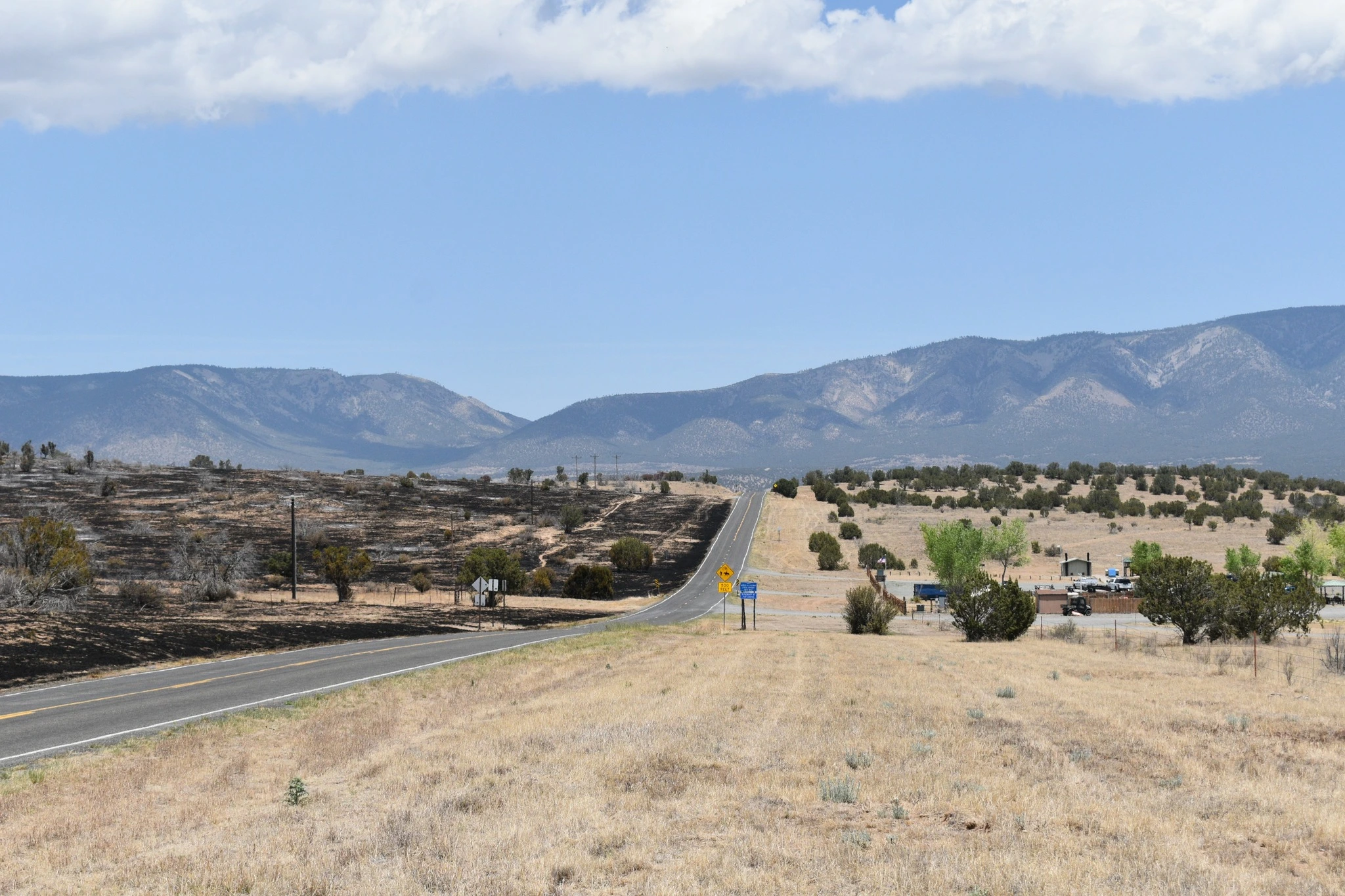
Firefighting efforts involved 120 personnel by May 28, 2025, down from 147, with six large air tankers, two single-engine air tankers, one type-1 helicopter, and one type-3 helicopter.
Fort Stanton-Snowy River Cave National Conservation Area is jointly managed by the Bureau of Land Management (BLM) and the State of New Mexico. The 84 km (52 miles) of cave passages beneath the fire area were not damaged, due to low fire intensity and previous land management practices, including thinning and prescribed burns.
Fire restrictions were in effect across the BLM Roswell District, Lincoln County, and the New Mexico Forestry Division.
Many trails remained closed, including Fort Stanton North, South, Deer Valley, Kit Carson Loop, Rio Bonito, Pershing, Mustang, Antelope Gap, Elk Meadow, Skyline, Capitan Overlook, and Buffalo Soldier.

I’m a science journalist and researcher at The Watchers, contributing to the Epicenter edition, where I cover peer-reviewed scientific research and emerging discoveries across Earth and space sciences. With a background in astronomy and a passion for environmental science, I’ve worked in shark and coral conservation in Fiji, conducting reef and shark-behavior research, contributing to mangrove restoration, and earning PADI Open Water and Coral Reef Certifications. I bring a blend of scientific rigor and storytelling to illuminate the discoveries shaping our planet and beyond.

Commenting rules and guidelines
We value the thoughts and opinions of our readers and welcome healthy discussions on our website. In order to maintain a respectful and positive community, we ask that all commenters follow these rules.