
Switzerland sees unusually fatal avalanche season

Image credit: SunPower
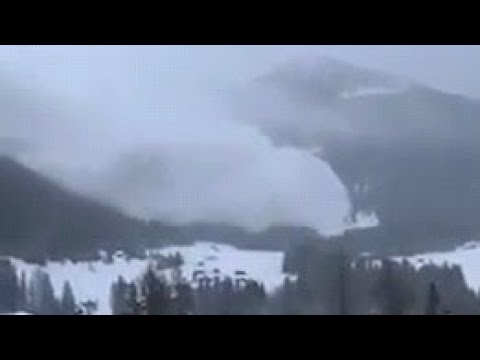
Switzerland's winter season this year has been 50 percent deadlier than the average season, resulting in around 27 fatalities as of March 31.
Around 296 people have been affected, which is a 67 percent increase, as the number of people caught in avalanches over the past 20 years is 177.
215 of the avalanches this season were caused by people, compared to an average of 113 over the last 20 seasons.
Over the same timespan, an average of 18 people died in avalanche accidents per ski season.
This season, 11 of the fatalities were among ski tourers and 6 among free riders. The deadliest region was Verbier, among the 4-valleys region, as seven of the total avalanche fatalities occurred there.

Among the fatalities was former Olympian Julie Pomagalski, a snowboarder from France who died on March 23, along with a guide.
The French ski federation did not cite the location of the avalanche, but according to the Associated Press, it occurred on Gemsstock mountain.
The WSL Institute for Snow and Avalanche Research explained that a thin, fragile layer of snow, which fell high up in autumn, caused future snow to become unstable.
The melting and freezing of old snow throughout the season increased the risk of thick layers of snow breaking apart, causing accidents.


Published in the last 24 hours
- The storms drenching California this week are fed by a river in the sky, a band of water vapor that can carry up to 15 times the flow of the Mississippi River, and this winter’s near-record El Niño could keep aiming more of them at the West Coast
- Malawi continues Bris AI weather forecasting tests ahead of operational integration Epicenter
- Right about now, Voyager 1 is crossing a line no human-made object has ever reached, a full light-day from Earth, which means a message NASA sends tonight won't arrive until tomorrow night, and the spacecraft's answer won't make it home until the night after that
- G1 geomagnetic storm watch remains in effect as NOAA forecasts Kp 4.67 late on November 17 and early on November 18
