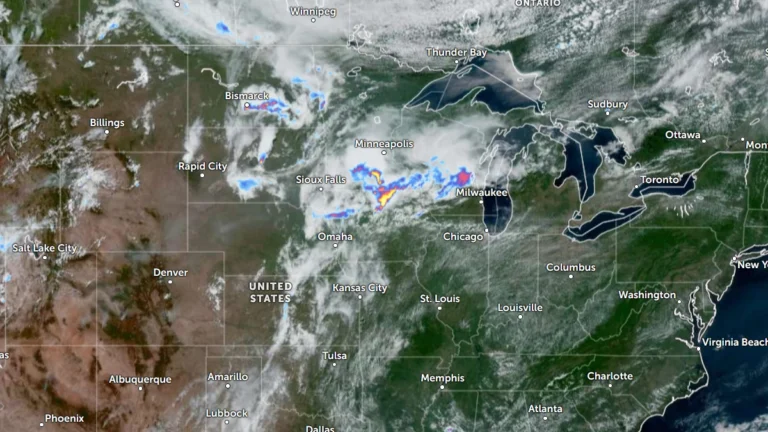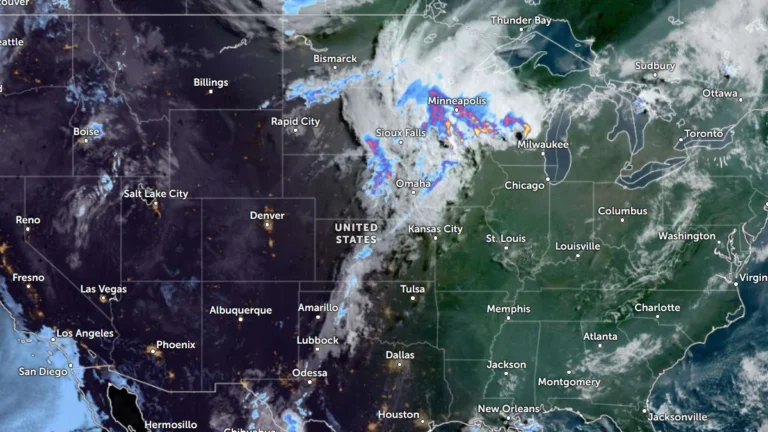
• Nearly one million lose power as severe storms sweep Midwest, Northeast and Ontario

    Severe thunderstorms driven by extreme heat and abundant moisture swept across the Midwest and Northeast on Friday and Saturday, July 3 and 4, 2026 toppling trees, damaging power infrastructure and disrupting holiday travel across one of the busiest weekends of the year. Utility crews continued restoration efforts after hundreds of thousands of customers lost electricity across multiple states and parts of Ontario.

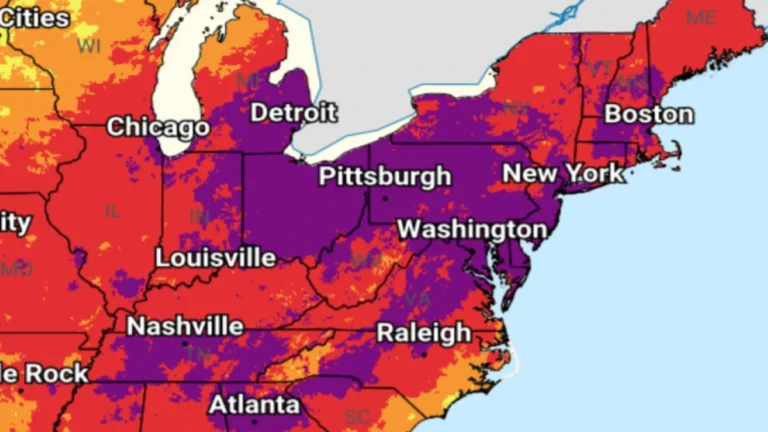
  • LaGuardia records highest midnight temperature on record as New York City heat wave persists

    LaGuardia Airport recorded an official temperature of 34.4°C (94°F) around midnight into July 4, 2026, establishing the station’s highest midnight temperature on record as an intense heat wave affected New York City and much of the northeastern United States. According to National Weather Service observations, the reading surpassed the previous midnight record of 33.9°C (93°F) set on July 18, 2013. The National Weather Service maintained Extreme Heat Warnings across much of the New York metropolitan area as dangerous heat persisted through the overnight hours.

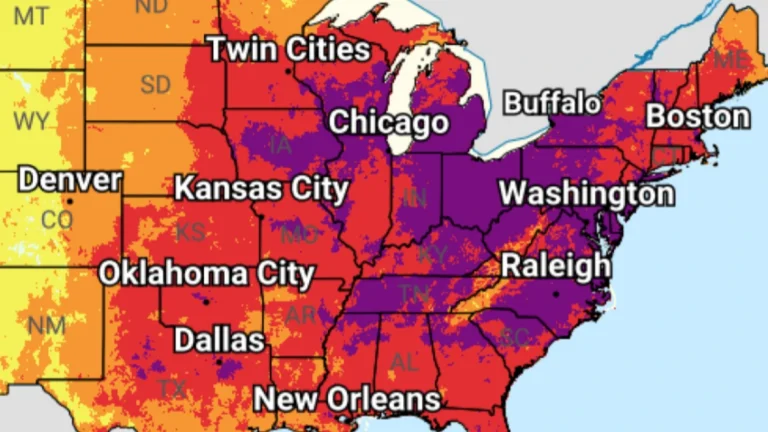
  • Dangerous heat wave continues into July 4 as record temperatures spread across the eastern U.S.

    A dangerous heat wave continued to intensify across much of the central and eastern United States on Friday, July 3, 2026. Numerous daily temperature records have already broken and more are expected through the Fourth of July holiday weekend. The National Weather Service (NWS) warned of widespread Major to Extreme HeatRisk and heat index values reaching 46°C (115°F).

  • Enhanced Risk of severe thunderstorms issued for eastern South Dakota, southwest Minnesota, and northwest Iowa

    The Storm Prediction Center (SPC) has placed parts of eastern South Dakota, southwest Minnesota and northwest Iowa under an Enhanced Risk of severe thunderstorms through Thursday, July 2, 2026. A broader Slight Risk extends from the Dakotas into the western Great Lakes and includes western Kansas, the Tennessee Valley and the southern Appalachians. Damaging wind gusts and large hail are expected to be the primary severe weather hazards across the affected regions.

  • Enhanced Risk issued for severe thunderstorms across Midwest and Upper Great Lakes

    Severe thunderstorms will affect portions of the Upper Midwest and Great Lakes through Wednesday, July 1, 2026, with damaging wind gusts of up to 130 km/h (80 mph), isolated large to very large hail and a few tornadoes possible. Parts of the region have been put under an Enhanced Risk of severe thunderstorms through Wednesday, while a Slight Risk extends across portions of the central High Plains and the Northeast.

  • Aspen Acres Fire destroys 155 structures, three Colorado wildfires burn over 25 000 ha (62 000 acres)

    The Aspen Acres Fire destroyed at least 155 structures in Pueblo and Custer counties. This fire, together with Ferris and Gold Mountain fires burned a combined 25 077 ha (61 969 acres) across Colorado by late June 30, 2026. Critical fire weather conditions are forecast to continue supporting rapid fire growth through at least July 3.

  • Preliminary 211 km/h (131 mph) gust in South Dakota among the strongest thunderstorm winds in U.S.

    A wind gust of 211 km/h (131 mph) measured near Holabird, South Dakota, during severe thunderstorms on June 29, 2026, would rank as the 15th-strongest thunderstorm wind gust ever recorded in the United States if confirmed. The storms damaged grain bins, metal buildings, trees and other infrastructure across several counties with straight-line winds extending from south-southwest of Andover into the town.

  • Extreme heat alerts cover portions of 31 U.S. states, heat index up to 46°C (115°F)

    Extreme Heat Warnings, Extreme Heat Watches, and Heat Advisories are in effect across 31 U.S. states after the National Weather Service (NWS) issued a series of heat alerts on June 29, 2026. Peak heat index values are forecast to reach 46°C (115°F), with dangerous heat and humidity expected to persist into early July across parts of the Midwest, Northeast, Southeast, and central United States.

  • Canyon County declares emergency after storms hit Nampa–Caldwell area, Idaho

    Canyon County, in southwest Idaho’s Treasure Valley west of Boise, declared a countywide disaster emergency on June 27, 2026, after severe thunderstorms moved through the Nampa–Caldwell area the previous evening, bringing strong winds, heavy rain, and hail. Preliminary National Weather Service (NWS) observations recorded gusts of 89 km/h (55 mph) at Boise Airport and 85 km/h (53 mph) at Caldwell Airport.