• Earth at aphelion on July 5, 2013

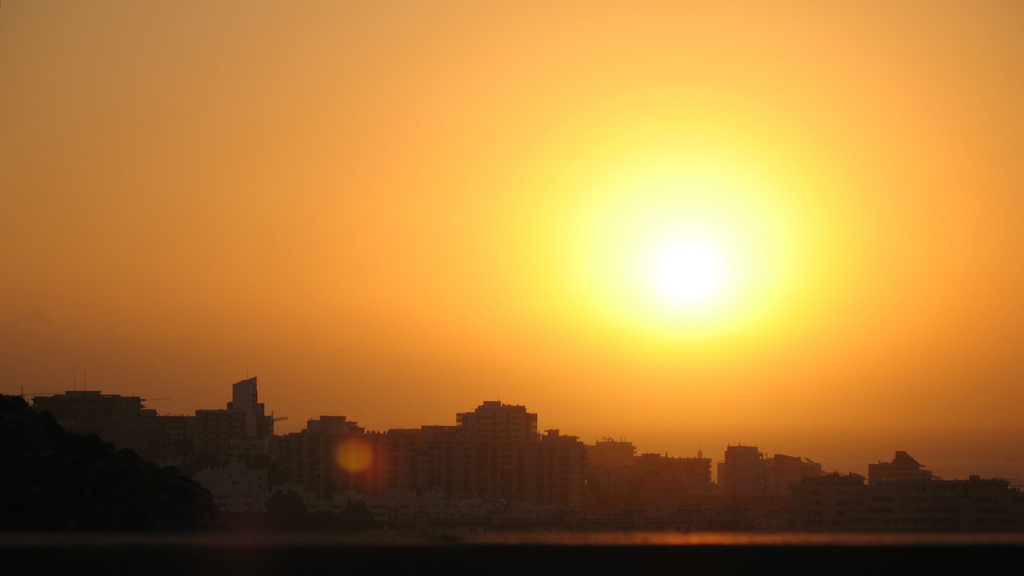
    Since Earth`s orbit is an ellipse, on July 5, 2013 our planet will be on the farthest end of the curve, at the most distant point from the Sun. That is called aphelion.

    In Earth`s orbit the average distance from the Sun is roughly 150 million kilometers, but at

  • A rare total eclipse of Jupiter by the Sun on June 19, 2013

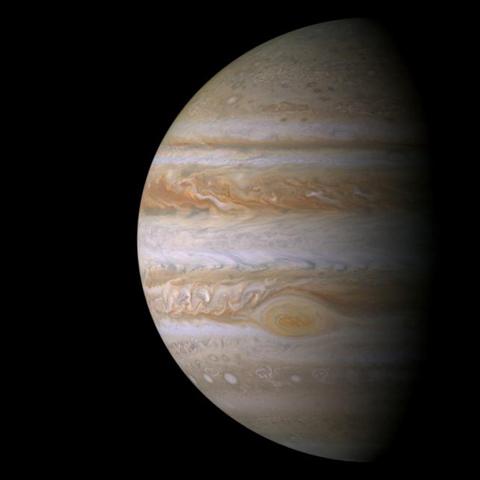
    Planet Jupiter began the month of June 2013 being positioned very low in the west sky just after sunset. However soon it will disappear into the solar glare, as Jupiter is approaching the Sun for a solar conjunction on June 19, 2013. At that time Jupiter will

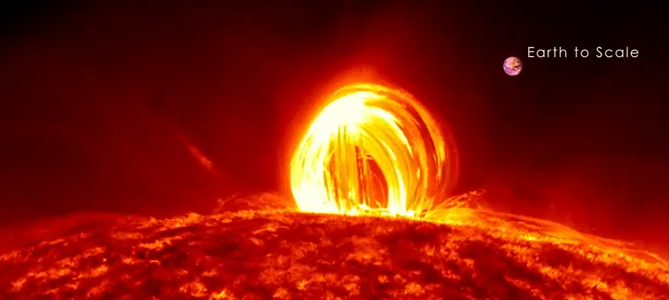
  • Fiery looping rain on the Sun

    Eruptive events on the sun can be wildly different. Some come just with a solar flare, some with an additional ejection of solar material called a coronal mass ejection (CME), and some with complex moving structures in association with changes in magnetic field lines

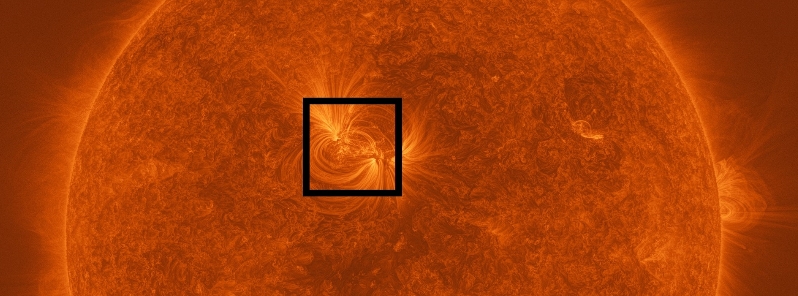
  • “It’s a Loopy Sun” by NASA/SDO

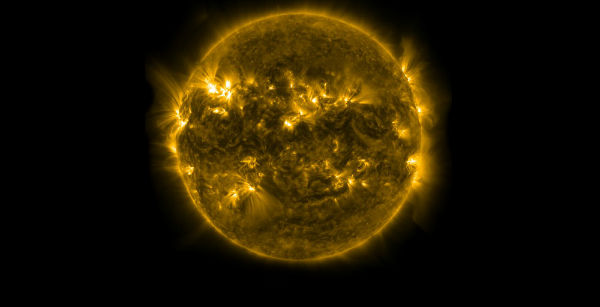
    NASA/SDO released a short video which covers January 5 through 7 and shows the 171 angstroms channel, which is especially good at showing coronal loops – the arcs extending off of the Sun where plasma moves along the magnetic field lines. The brightest spots

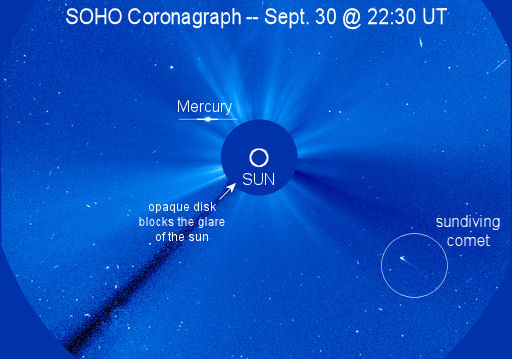
  • Sundiving comet

    A comet is diving into the sun today. Discovered on Sept. 29th by a group of four independent comet hunters (M. Kusiak, S. Liwo, B. Zhou and Z. Xu), the icy visitor from the outer solar system is evaporating furiously as it approaches the hot star. SOHO (the Solar and

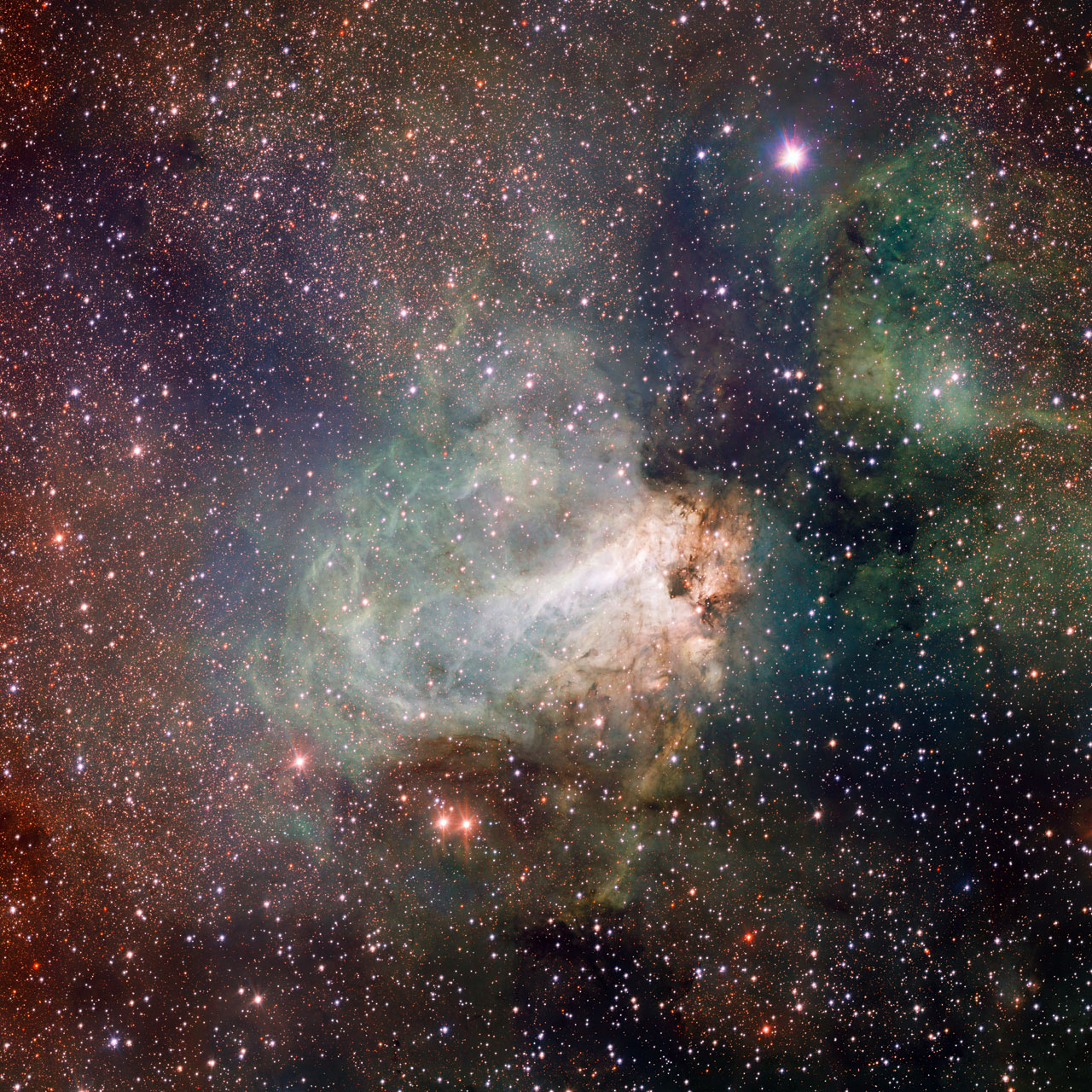
  • Amazing timelapse video by Very Large Telescope

    This timelapse video shows the sky spinning over the Very Large Telescope observatory in Chile, one of the finest observatories in one of the darkest sites on the planet. Set the resolution to 720p to see it properly unpixelated. At 1:10 into the video, you see…

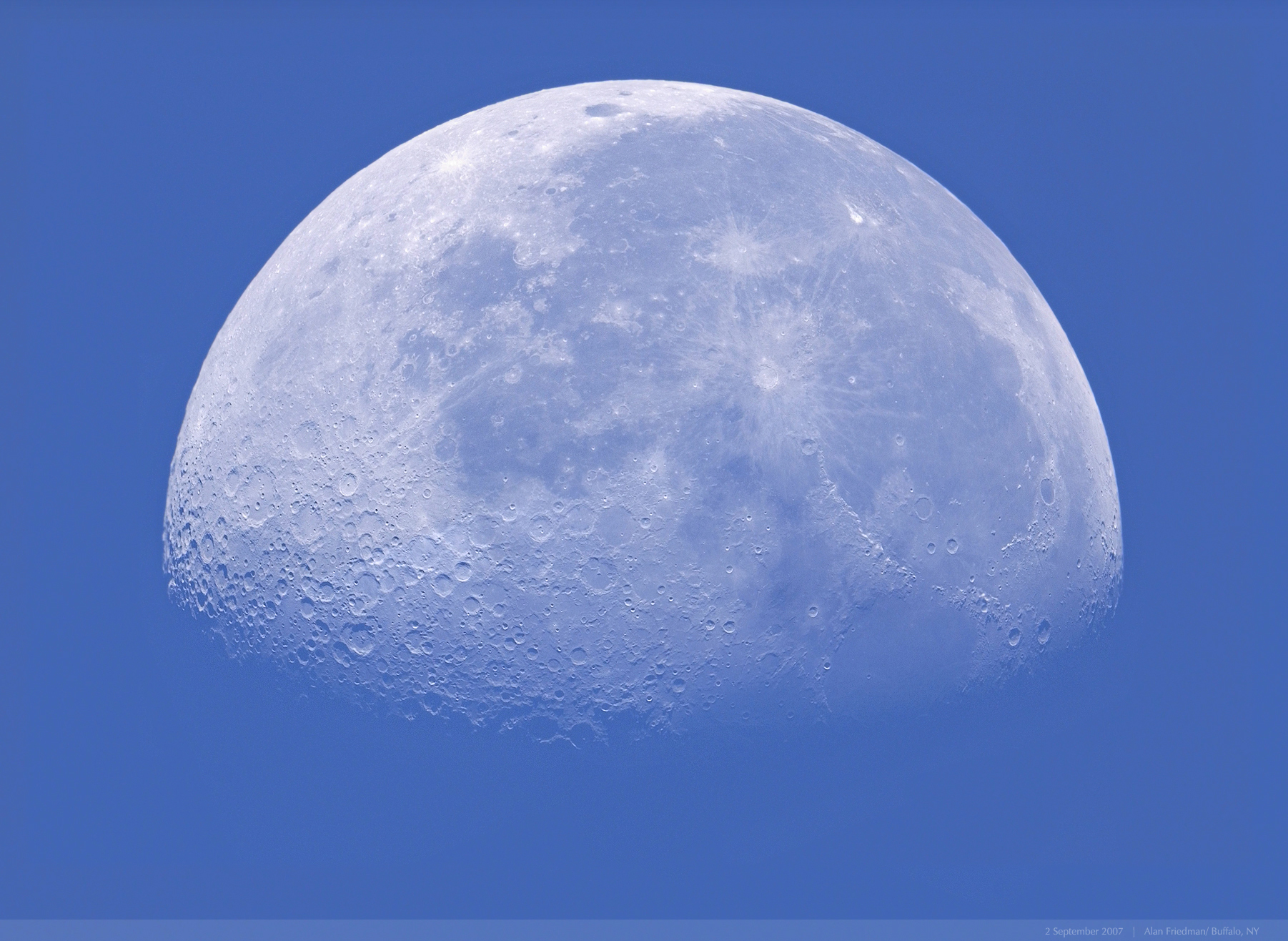
  • How can we see the Sun and the Moon at the same time?

    Many people only notice our Moon at night, when there is considerably more contrast between the Moon and the night sky. Being the second brightest object in the sky (after the Sun, of course) and with Venus visible during the day to trained eyes, it’s no real